
Breakfast Table Chairs: Complete Buying Guide
Everything you need to choose the right chairs for your breakfast table or nook — seat height, sizing, materials, comfort, and style matching. Research first, buy with confidence.
Explore Recommended OptionsWhy breakfast table chairs deserve careful thought: Breakfast is the meal that starts your day, and the chairs around that table are used more often than almost any other seat in the home. They need to fit the table height, fit the available footprint, feel comfortable for a quick coffee and for a longer weekend brunch, and survive daily family use. This guide walks you through the decisions that matter so you can pick the right chairs the first time.
Why the Right Breakfast Table Chairs Make a Difference
A breakfast table is usually a compact, high-frequency space. Unlike a formal dining room that hosts a few dinners a year, the breakfast nook or kitchen table is used every morning. That changes the priorities. Comfort, durability, and an easy-to-clean surface matter far more than ornate detailing. Chairs that are slightly too low or too high cause discomfort every single day, and chairs that are too wide crowd the walkway in a small kitchen.
Getting the pairing right also affects the visual balance of the room. A generous chair at a slim bistro table looks clumsy, while a tiny chair at a substantial farmhouse table looks undersized. The goal is a chair that matches the table in scale, matches the room in style, and matches the household in practicality.
Seat Height: The Most Important Measurement
Seat height determines whether the chair is usable at all, so start here before thinking about style. The rule of thumb is a 10 to 12 inch gap between the seat surface and the underside of the table apron. That gap gives knees room to clear the table while keeping elbows at a comfortable position for eating.
| Table Type | Typical Table Height | Recommended Seat Height | Best For |
|---|---|---|---|
| Standard breakfast table | 28 to 30 inches | 17 to 19 inches | Traditional kitchen nooks and family breakfast tables |
| Counter-height table | 34 to 36 inches | 24 to 26 inches | Open-plan kitchens and casual counter dining |
| Bar-height table | 40 to 42 inches | 28 to 30 inches | Compact spaces with a pub-style feel |
| Bistro or cafe table | 28 to 30 inches | 17 to 19 inches (slimmer profile) | Very small footprints and apartment kitchens |
If you already own the table, measure from the floor to the underside of the tabletop and subtract 10 to 12 inches. That is your target seat height. If you are buying both together, choose the chair first and let the table height follow — it is easier to find a table in the right height band than to compromise on chair comfort.
For counter-height setups, the same logic applies at a different scale. Our guide to breakfast bar bar stools covers the counter-height variants in more detail, and the breakfast nook round table guide explains why round tables pair so naturally with a small set of chairs.
How Many Chairs Fit at Your Breakfast Table
Crowding is the most common mistake in breakfast nooks. Every chair needs elbow room, and every chair needs clearance behind it so people can pull it out and sit down. Use these planning numbers as a starting point.
- Round 36-inch table: seats two comfortably, three in a pinch with slimmer chairs.
- Round 42-inch table: seats four comfortably.
- Round 48-inch table: seats four generously, five with compact chairs.
- Rectangular table: allow about 24 inches of table edge per chair.
- Square table: usually one chair per side, or two on facing sides for a four-seat setup.
- Clearance behind chairs: allow 30 to 36 inches from the table edge to the nearest wall or counter so chairs can be pulled out and walked behind.
In tight corners, a breakfast bench nook or a breakfast nook bench with storage can replace two chairs and free up floor space, while still keeping the table usable. Mixed seating — a bench on one side and chairs on the other — is a popular solution for families.
Breakfast Table Chair Styles and Materials
Solid Wood Chairs
Wood is the classic choice for breakfast tables. It is warm, repairable, and ages well with use. Hardwoods such as oak, maple, and walnut hold up to daily family life, while softer woods are better suited to adult-only households. Look for reinforced joinery at the leg-to-seat connection, since that is where breakfast chairs take the most stress. Styles range from slat-back and ladder-back farmhouse designs to cleaner modern silhouettes — a black Windsor chair is a good example of a traditional shape that fits both farmhouse and contemporary nooks.
Upholstered and Cushioned Chairs
Upholstered seats and backs add comfort for longer breakfasts and weekend brunches. In a breakfast setting, prioritize performance fabrics, removable and washable covers, or wipe-clean finishes. Fully upholstered backs look elegant but trap crumbs, while a solid wood frame with an upholstered seat is easier to maintain. Our guide to blue upholstery fabric for dining room chairs discusses fabric choices that work in high-use areas.
Metal Chairs
Metal frames are durable, slim, and visually light, which makes them ideal for small breakfast nooks where visual space matters. Powder-coated steel resists scratches and is easy to wipe down. Metal chairs pair naturally with industrial, modern farmhouse, and bistro-style tables.
Rattan and Wicker Chairs
Rattan and wicker bring a relaxed, coastal or cottage feel to a breakfast nook. They are lightweight and visually airy, but they need a bit more care — avoid leaving them in direct sun and wipe them down regularly to prevent dust from settling into the weave.
Bar and Counter Stools as Breakfast Chairs
If your breakfast setup is a counter rather than a table, stools replace chairs. The same height logic applies, and backless versus backed designs become a space question. Backless stools tuck fully under the counter and save floor space, while backed stools are more comfortable for longer meals.
Comfort Factors Beyond the Seat Height
Seat height gets the chair to the table, but comfort keeps people sitting. These are the details that separate a chair that is fine for five minutes from one that works for a long Sunday brunch.
- Seat depth: aim for 15 to 18 inches. Deeper seats support taller users but can press into the back of the knee for shorter users.
- Seat width: 16 to 20 inches per chair is the standard range. Wider seats feel more generous but take up more of the table edge.
- Back height and angle: a back that reaches the mid-shoulder offers support without blocking sightlines across a small table.
- Contoured seats: a slight dip in the seat pan distributes weight better than a flat plank.
- Cushioning: a 1 to 2 inch cushion is enough for breakfast use; thicker cushions raise the effective seat height and may need a lower chair to compensate.
- Footrests: on counter-height and bar-height chairs, a footrest reduces pressure on the legs and makes the chair feel stable.
Quick Comfort Check
Before buying, sit in the chair at a table of the same height. Your feet should rest flat on the floor (or on a footrest), your thighs should be roughly parallel to the floor, and there should be about two fingers of space between the back of your knee and the front edge of the seat. If any of those fail, the chair is the wrong height or depth for you.
Matching Chairs to Table and Room
Chairs do not need to match the table exactly, but they should feel like they belong in the same room. Three approaches work reliably.
Coordinated Tones
Choose chairs in a similar wood tone or finish to the table. This is the safest approach and reads as a cohesive set without requiring an exact match. A warm walnut table with chairs in a slightly lighter warm-toned wood looks intentional; a cool-toned chair against a warm table usually looks like a mistake.
Deliberate Contrast
Pair a light wood table with black or dark-stained chairs, or a dark table with lighter chairs. Contrast adds visual interest in a small room and can make the tabletop feel more prominent. A black chair for a kitchen table is one of the most versatile contrast options because black sits comfortably with almost any wood tone.
Mixed Materials
A wood table with metal-framed chairs, or a wood table with upholstered chairs, is a common and effective mix. The key is to repeat one element — for example, if the table has black metal legs, choose chairs with black metal frames so the black is echoed around the set.
For a broader look at how the whole nook comes together, the breakfast nook guide covers layout, lighting, and storage, and the breakfast table and chairs overview explains how sets are typically bundled.
Choosing Chairs for a Small Breakfast Nook
Small spaces reward slim chairs and punish generous ones. If floor space is tight, these choices make the biggest difference.
- Backless stools or low-back chairs tuck further under the table and read as visually lighter.
- Round tables with a small chair set fit into corners better than rectangular tables of similar seating capacity.
- Benches on one side replace two chairs with a single footprint and can include storage underneath.
- Armless chairs save several inches of width per seat compared with armed chairs.
- Light-colored or open-frame chairs keep the visual weight low in a compact room.
A breakfast nook dining set for a small space is often sold as a coordinated bundle precisely because the sizing has already been worked out. If you are starting from scratch in a compact kitchen, that approach saves a lot of measurement work.
Durability and Maintenance
Breakfast chairs see spills, crumbs, and daily scoot-and-scrape. A few practical choices extend their life considerably.
- Felt pads under the legs protect both the floor and the chair joints from wear.
- Wipe-clean finishes on wood or metal make daily cleanup a few seconds rather than a chore.
- Tighten hardware periodically — screws and bolts loosen with repeated use and are the first sign of a wobbly chair.
- Choose removable cushions if the household includes young children, so covers can be washed.
- Avoid veneers on high-wear edges unless they are well-sealed; solid wood edges wear more gracefully.
Understanding Product Tiers
Breakfast chairs sit in several market tiers, and the tier you choose determines the materials and construction quality you can expect.
- Entry-level tier: typically flat-pack construction, thinner frames, and basic finishes. Suitable for light use and short-term setups.
- Mid-range tier: solid wood or reinforced metal frames, better joinery, and more consistent finishes. The most common choice for a family breakfast nook.
- Premium tier: hardwood frames, reinforced corner blocks, upholstered seats with performance fabrics, and finishes that hold up over years of daily use.
- Top-tier and commercial-grade: built for restaurants and heavy daily use, with thicker sections and serviceable components.
In practical terms, a mid-range chair usually offers a better balance of comfort and durability than an entry-level one for a seat that is used every day, while premium and top-tier chairs make sense when the breakfast nook is a design focal point or a long-term investment.
Ready to Compare Breakfast Table Chairs?
Browse recommended breakfast table chair options below, filtered for the breakfast nook use case. Compare features, styles, and configurations before you decide.
View Recommended ChairsRecommended Breakfast Table Chairs
⚠️ AFFILIATE DISCLOSURE: This website contains affiliate links. As an affiliate Associate, we earn from qualifying purchases. If you make a purchase through these links, we may receive a small commission at no additional cost to you. Read our full affiliate policy.

VASAGLE Wood Dining Chairs Set of 2, Linen-Look Upholstered Kitchen Chairs | Solid Wood Legs, Ergonomic Curved Backrest, Built-in Handle, Mid Century Modern, for Kitchen Dining Vanity, Cappuccino Beige
Check price on Amazon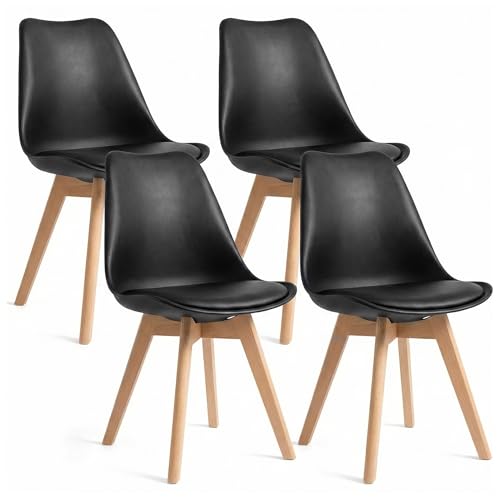
Dining Chairs Set of 4, Modern Upholstered Dining Room Chairs with PU Leather Padded Seat, Armless Kitchen Chairs with Curved Backrest and Solid Wood Legs for Dining Room, Kitchen, Apartment, Black
Check price on Amazon
Karl home Dining Chairs Set of 4, PU Leather & High Back, Black | Black Kitchen Chairs with Padded Seats & Foot Cap Protection for Dining Kitchen Living Room, 300Lbs Capacity, Space‑Saving
Check price on Amazon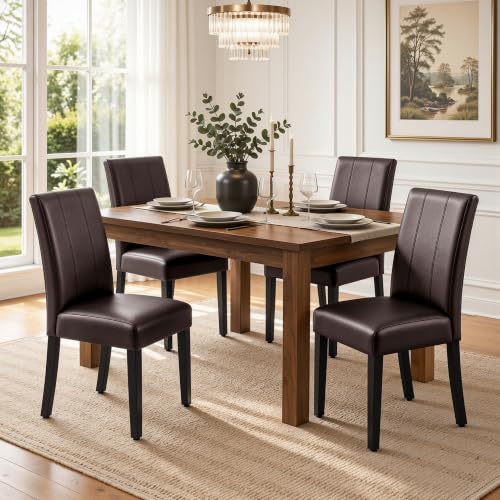
CHUN YI Dining Chairs Set of 4, Upholstered Dining Room Chairs, Brown | Faux Leather Modern Kitchen Parsons Chairs, Easy to Clean & Assemble, Stain Resistant, Kid-friendly, Wood Legs, Non-slip Pads
Check price on Amazon
VASAGLE Dining Chairs Set of 4, Upholstered Kitchen Chairs, PU Leather | Steel Legs, Curved Backrest, for Dining Room, Caramel Brown and Ink Black ULDC090KN03-2J
Check price on Amazon
UVV Dining Chairs Set of 4, Metal Kitchen Chairs with Modern Fabric Upholstered for Dining Room, Beige
Check price on Amazon
DUMOS Dining Chairs Set of 2, Mid Century Modern Chair Round Upholstered Curved Backrest, Kitchen Vanity Living Room Chairs with Black Metal Legs, Green
Check price on Amazon
OLIXIS Dining Chairs Set of 4, PU Leather Accent Chairs for Living Room | Upholstered Kitchen Side Chair, Curved Backrest, Wood Legs, Armless, Mid Century Modern, Outdoor Patio, Bedroom, White
Check price on AmazonFrequently Asked Questions
What height should breakfast table chairs be?
For a standard 30-inch breakfast table, choose chairs with a seat height of 17 to 19 inches. For counter-height tables around 36 inches, choose seats of 24 to 26 inches. For bar-height tables around 42 inches, choose seats of 28 to 30 inches. Measure from the floor to the underside of the table and subtract 10 to 12 inches for the target seat height.
How many chairs fit at a breakfast table?
A round 36-inch table seats two to three chairs, a 42-inch round seats four comfortably, and a 48-inch round seats four generously. Rectangular tables generally seat one chair per 24 inches of side length. Always allow 30 to 36 inches of clearance behind the chairs for pull-out space.
Are upholstered chairs good for a breakfast nook?
Upholstered chairs add comfort for longer meals, but in a busy breakfast nook look for performance fabrics, removable covers, or wipe-clean finishes. Solid wood or metal chairs are easier to maintain in high-traffic family settings, so many households mix a bench on one side with upholstered chairs on the other.
Should breakfast table chairs match the table material?
They do not need to match exactly. Coordinating the tone and finish is usually enough. A wood table pairs well with wood chairs in a similar tone, or with metal and upholstered chairs for contrast. Mixed materials can look intentional when the undertones align — for example, matching black metal table legs with black metal chair frames.
Can I use bar stools as breakfast table chairs?
Yes, if the table height matches. Counter-height and bar-height breakfast tables are designed to be used with stools rather than standard chairs. The seat height rules are the same — about 10 to 12 inches between seat and table underside — so a standard-height table should use standard chairs, not stools.