
Chair Repair: Complete Guide to Fixing Dining Chairs
Learn how to fix loose joints, repair scratches, remove stains, and reupholster your dining chairs. Restore your chairs to like-new condition with our expert DIY guide.
Why Chair Repair Matters
Dining chairs are among the most used pieces of furniture in your home. From everyday family meals to special occasions, they endure constant wear and tear. Loose joints, wobbly legs, scratches, stains, and worn upholstery are common problems that can make your chairs look aged and feel uncomfortable.
Before you consider replacing your dining chairs, know that most issues can be fixed with basic tools and a little patience. This guide covers everything from upholstery repair and wood polishing to scratch removal and deep cleaning. With the right techniques, you can extend your chairs' lifespan by years and save hundreds of dollars.
Whether you have solid wood chairs, metal chairs, or upholstered seating, this guide provides step-by-step instructions for every common chair repair problem.
Common Chair Problems & Solutions
🪑 Loose Joints & Wobbly Legs
- Problem: Chairs wobble or feel unstable
- Solution: Wood glue + clamping, or tightening screws
- Tools: Wood glue, clamps, screwdriver, wrench
🪚 Scratches & Dents
- Problem: Surface scratches, scuffs, or dents
- Solution: Wood filler, polish, or touch-up markers
- Tools: Wood filler, sandpaper, stain marker, polish
🧼 Stains & Water Rings
- Problem: White rings, dark stains, or food marks
- Solution: Baking soda paste, mayonnaise, or specialized cleaners
- Tools: Baking soda, microfiber cloth, wood cleaner
🪡 Upholstery & Fabric Damage
- Problem: Tears, worn fabric, or faded color
- Solution: Reupholstering or repairing with fabric patches
- Tools: Fabric, staple gun, scissors, upholstery needles
🔩 Loose Screws & Hardware
- Problem: Screws coming loose or missing
- Solution: Tighten or replace with matching hardware
- Tools: Screwdriver set, replacement screws
🎨 Faded Finish
- Problem: Wood finish looks dull or worn
- Solution: Apply wood polish or refinish
- Tools: Wood polish, mineral oil, refinishing kit
Step-by-Step Chair Repair Guide
Assess the Damage
Start by thoroughly inspecting your chair. Check all joints, legs, and hardware. Determine if the damage is structural (loose joints, broken parts) or cosmetic (scratches, stains). This assessment will help you choose the right repair method.
For dining chairs, common problem areas include the seat-to-frame connection and the joints between legs and rails. If you're unsure about the type of wood you're working with, check our guide on solid wood identification.
Pro Tip: Always test repair products on a hidden area first (like the underside of the chair) to ensure they don't damage the finish.
Repair Loose Joints & Wobbly Legs
If your chair wobbles, the joints are likely loose. For wooden chairs, apply high-quality wood glue to the loose joint, then clamp it firmly and let it dry for at least 24 hours. For metal chairs, tighten all bolts and screws with the appropriate wrench or screwdriver.
For chairs with chair pads or removable cushions, remove them to access hidden joints. If a joint is severely damaged, you may need to replace the dowel or use a wood filler to strengthen the connection.
- Use carpenter's glue (PVA wood glue) for best results
- Apply pressure with clamps or heavy books
- Wipe off excess glue with a damp cloth before it dries
Fix Scratches & Dents on Wood Chairs
Surface scratches can often be concealed with a simple polish or touch-up marker. For deeper scratches, use wood filler that matches your chair's color. Apply the filler, sand it smooth with fine-grit sandpaper, and finish with a matching stain or polish.
For water rings and heat marks, try the baking soda and water paste method, or gently rub with a cut walnut. For more severe damage, consider refinishing the entire chair.
Clean & Restore Upholstery
For fabric upholstery, start by vacuuming thoroughly to remove dust and debris. For stains, use a fabric cleaner appropriate for your fabric type. Always test the cleaner on a hidden area first.
If your upholstered chairs have significant wear or tears, you may need to reupholster them. This involves removing the old fabric, adding new foam or padding, and securing new fabric with a staple gun. Consider using durable fabrics like canvas or polyester blends for longevity.
Pro Tip: For natural fabric cleaners, a mixture of mild soap and warm water works well for most fabrics. Avoid harsh chemicals that can damage fibers.
Tighten or Replace Hardware
Check all screws, bolts, and nuts. Tighten any loose hardware, and replace missing or stripped pieces. This is especially important for chairs with metal frames or adjustable mechanisms.
For bar stools and counter-height chairs, pay special attention to footrests and swivel mechanisms, as these often loosen over time.
- Use a screwdriver set with various bit sizes
- Consider adding a drop of thread locker to prevent future loosening
- Replace any rusted or damaged hardware
Restore the Finish
After repairs, apply a high-quality wood polish or furniture wax to restore shine and protect the finish. For chairs exposed to direct sunlight, consider using products that offer UV protection to prevent fading.
This is also a good time to consider sustainable wood care practices, such as using natural oils like linseed or tung oil to nourish the wood.
Prevent Future Damage
Prevention is the best repair. Use coasters to prevent water rings, felt pads on chair legs to avoid scratches on floors, and regular cleaning to maintain appearance.
For dining rooms with high traffic, consider using table pads and chair pads to reduce wear. Learn more in our dining care and maintenance guide.
Pro Tip: Create a seasonal maintenance routine for all your dining furniture. A quick inspection and cleaning every few months can prevent major repairs.
Essential Chair Repair Toolkit
Having the right tools makes chair repair significantly easier. Here's what you need for most common chair repairs:
These tools are available at most hardware stores. For specialized repairs, you may also need wood filler, stain, or replacement hardware.
Essential Chair Repair Products
⚠️ AFFILIATE DISCLOSURE: This website contains affiliate links. As an affiliate Associate, we earn from qualifying purchases. If you make a purchase through these links, we may receive a small commission at no additional cost to you. Read our full affiliate policy.

Wonderlokking Tite Chairs, Adhesive for Chair Joint and Furniture Repair by PC-Products, 5 gram 208120
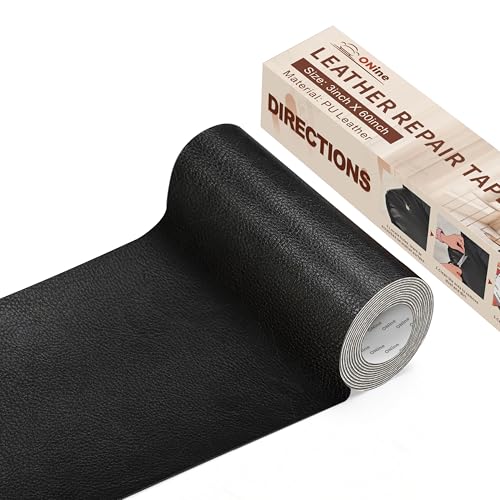
ONine Leather Repair Tape,Self Adhesive Leather Repair Patch,Leather Patches for Furniture,Sofa,Car Seats,Office Chair. Vinyl Repair Kit 3x60in (Black)

Wonderlokking/Division of PC-Products Adhesive for Chair Joint and Furniture Repair, 20 Gram (Set of 3), Clear/Transparent, Liquid, Fast Drying, Easy To Apply
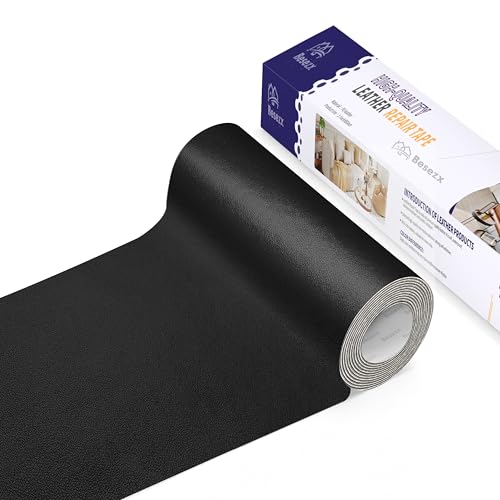
Besezx Leather Repair Patch Tape Kit,Vinyl Repair Kit,Self Adhesive Leather Repair for Furniture, Couch, Sofa, Car Seats,Office Chair.3.1inx60in-Black
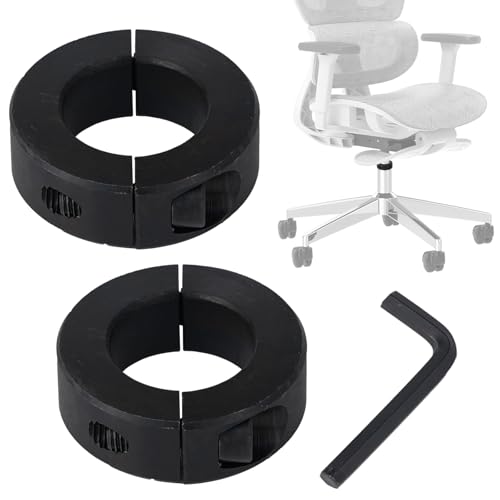
Jayen Office Chair Sinking Fix Kit, 2 Pack Cylinder Clamps, Chair Saver

UNEEDE 4 Cords Zero Gravity Chair Replacement Cord, Black | Universal Repair Cord Kit for Zero Gravity Chair
