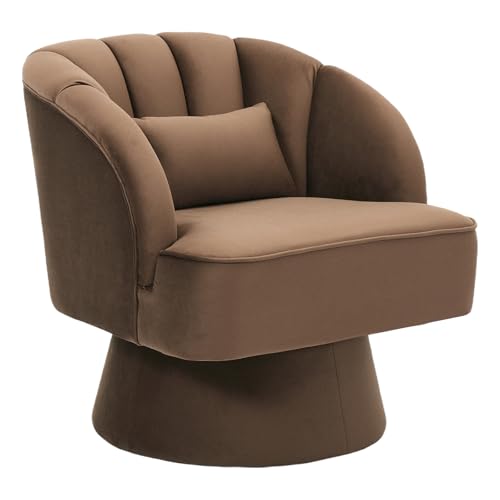
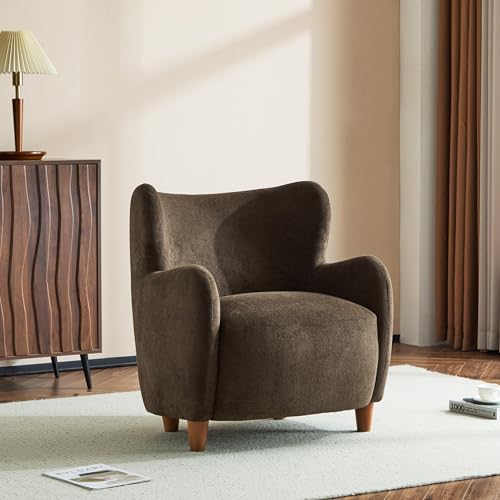
Why Brown Velvet Chairs Are a Smart Dining Room Choice
A brown velvet chair is more than a seat at the table. It is a design decision that influences the mood, comfort, and cohesion of your entire dining space. Brown velvet offers a unique combination: the deep, earthy hue anchors a room and hides everyday wear gracefully, while the velvet texture adds softness and a subtle sheen that plays beautifully with natural and artificial light.
Compared to flat-weave fabrics, velvet has a pile that catches light at different angles, giving the chair a dimensional quality. In brown shades — from chocolate and espresso to camel and taupe — this effect reads as understated luxury rather than overt glamour. That is why brown velvet chairs work across a wide range of interiors, from a warm modern dining room furniture setup to a soft, layered traditional scheme.
For buyers in the research phase, the key question is not simply "does it look good?" but "will it last, fit my space, and match my existing pieces?" The sections below answer each of those questions in detail.
Understanding Velvet Upholstery Quality
Not all velvet is created equal. The performance of a brown velvet chair depends heavily on the fabric's construction, fiber content, and pile density. Understanding these differences will help you evaluate any product listing or showroom sample more critically.
Velvet Types You Will Encounter
- Cotton velvet: Soft and breathable with a natural matte finish. Durable in tightly woven grades and a strong choice for everyday dining use.
- Polyester velvet: Highly durable, stain-resistant, and colorfast. Often used in performance upholstery and a practical option for households with children or pets.
- Cotton-polyester blends: Combine the soft hand of cotton with the resilience of polyester. A balanced tier choice for most dining rooms.
- Performance velvet: Engineered with stain-repellent treatments and high rub counts. The top-tier option for heavy daily use.
- Silk or viscose velvet: Luxurious and lustrous but delicate. Best reserved for formal dining rooms with light use.
When evaluating a brown velvet chair, look for the fabric's rub count (also called Martindale or Wyzenbeek rating). A higher count indicates greater resistance to abrasion. Entry-level velvet may show wear sooner, while mid-range and premium performance velvets are engineered to withstand years of daily seating.
Pile Density and Sheen
Dense, short-pile velvet resists crushing and looks more tailored. Longer piles feel plusher but can flatten in high-contact areas. Brown velvet in a short pile tends to look more contemporary, while a longer pile reads as classic and opulent. Consider the sheen level too: high-sheen velvet reflects more light and shows texture variation, while matte velvet offers a more subdued, modern appearance.
Frame Construction and Comfort Factors
The frame and cushioning determine whether your brown velvet chair remains comfortable and stable over time. Here is what to inspect.
Solid Hardwood Frame
Kiln-dried hardwood frames resist warping and provide long-term structural integrity. A hallmark of premium and high-end tier chairs.
Joint Construction
Mortise-and-tenon or doweled joints with corner blocks are far more durable than stapled or nailed assemblies. Check for reinforced corners.
Seat Cushion Density
High-density foam (often 1.8 lb/ft³ or higher) resists sagging. Mid-range and premium chairs typically use denser foam or foam wrapped in fiber.
Webbing and Springs
Sinuous springs or eight-way hand-tied springs distribute weight evenly. Elastic webbing is common in entry-level builds but less resilient.
Seat Height and Depth
Standard dining seat height is around 18–19 inches. Seat depth of 18–20 inches suits most adults. Match to your table height for comfort.
Back Support
A gently curved or tapered back improves lumbar support. Upholstered backs in velvet add comfort during long meals and gatherings.
If you are pairing your brown velvet chair with a new table, our guide to the brown dining table covers how to match wood tones and proportions for a cohesive look.
Matching Brown Velvet Chairs to Your Dining Table
The relationship between chair and table is the foundation of dining room design. Brown velvet chairs pair naturally with several table materials and finishes.
- Wood tables: Walnut, oak, and espresso finishes harmonize with brown velvet. A brown dining room table in a mid-tone wood creates a warm, tonal composition.
- Glass tables: The transparency of glass balances the visual weight of velvet upholstery, keeping the room feeling open.
- Marble and stone: A marble dining table provides crisp contrast to soft brown velvet, ideal for contemporary or luxury interiors.
- Metal accents: Black metal legs or frames add an industrial edge that keeps brown velvet from feeling too formal.
Pay attention to scale. A brown velvet chair with a high back suits a substantial table, while low-back or armless designs keep smaller rooms from feeling crowded. For compact spaces, explore our small dining room layout guide before finalizing your chair dimensions.
Style Pairings: Where Brown Velvet Fits Best
Brown velvet is a chameleon. Its earthy tone allows it to move between design styles with ease.
- Mid-century modern: Tapered wooden legs and a streamlined silhouette in brown velvet echo classic mid-century forms.
- Modern farmhouse: Pair brown velvet chairs with a rustic wood table and matte black fixtures for a balanced, layered look.
- Contemporary luxury: High-sheen brown velvet with polished metal legs creates a refined, hotel-inspired dining space.
- Traditional and transitional: Nailhead trim and a curved back in chocolate velvet bring timeless elegance.
If your palette leans darker, brown velvet chairs work well alongside a black dining room set as a softening contrast. For lighter schemes, they add welcome depth without overwhelming the space.
Comparing Brown Velvet Chair Tiers
To help you evaluate options without relying on numerical figures, here is a tier-based framework for understanding what different market positions typically deliver.
| Tier | Typical Build | Best For |
|---|---|---|
| Entry-level | Engineered wood frame, polyester velvet, standard foam, basic webbing | Occasional dining, light-use spaces, first apartment setups |
| Mid-range | Solid wood frame, blended velvet, high-density foam, sinuous springs | Everyday family dining, balanced durability and comfort |
| Premium | Kiln-dried hardwood, performance velvet, foam-fiber wrap, reinforced joints | Frequent entertaining, high-traffic dining rooms |
| Luxury / high-end tier | Hardwood frame, dense performance or designer velvet, hand-finished details | Formal dining rooms, long-term investment pieces |
Mid-range chairs generally offer the most balanced combination of comfort, durability, and design flexibility for most households. Premium and luxury tiers make sense when the chair will be used daily or when the dining room is a focal point of the home.
Color and Tone: Choosing the Right Brown
"Brown" spans a wide spectrum. The specific shade you choose affects how the chair interacts with your room's lighting and palette.
- Chocolate and espresso: Deep and dramatic. Best in well-lit rooms or against lighter walls.
- Camel and tan: Warm and inviting. Excellent for coastal, farmhouse, and transitional interiors.
- Taupe and mushroom: Muted and sophisticated. A versatile neutral that pairs with almost any wood tone.
- Cognac and chestnut: Rich and slightly reddish. Adds vibrancy to neutral schemes.
Order fabric swatches whenever possible. Velvet changes appearance dramatically under different lighting, and a shade that looks warm in daylight may appear darker or cooler under evening lamps. If you are coordinating with existing seating, our brown chairs overview can help you align tones across the room.
Care and Maintenance for Velvet Dining Chairs
Velvet requires slightly different care than flat-weave fabrics, but it is not difficult to maintain. A few consistent habits will keep your brown velvet chairs looking refined for years.
- Vacuum regularly: Use a soft brush attachment weekly to lift dust and crumbs from the pile.
- Blot, do not rub: For spills, press a clean, dry cloth onto the area to absorb liquid. Rubbing can crush the pile.
- Use a fabric protector: A professional-grade upholstery protector adds a barrier against stains and is especially useful in dining settings.
- Brush the pile: A soft upholstery brush restores the nap direction and keeps the velvet looking fresh.
- Avoid direct sunlight: Prolonged sun exposure can fade velvet. Use curtains or blinds during peak hours.
- Rotate cushions: If your chairs have removable seat cushions, rotate them to distribute wear evenly.
For a broader maintenance routine, our dining care and maintenance section covers wood, metal, and upholstery care in detail.
How Many Chairs Do You Need?
Chair count depends on table size and room layout. As a general rule, allow at least 24 inches of table width per chair and 36 inches of clearance between the table edge and walls or other furniture. A round table often seats four comfortably, while a rectangular table for six needs roughly 72 inches of length. If you are planning a full set, browse our dining table for six guidance to cross-check proportions.
Consider mixing a brown velvet chair with complementary seating — for example, a bench on one side — to vary texture and improve flow in tighter rooms. A dining bench can be a practical pairing that saves space while adding visual interest.
Common Buying Mistakes to Avoid
- Ignoring seat height: Chairs that are too low or too high relative to the table cause discomfort. Measure your table's apron height before buying.
- Overlooking fabric rub count: A beautiful chair with a low rub count may wear quickly in a busy dining room.
- Skipping the swatch stage: Brown velvet varies widely in tone. Always compare a physical sample to your room's lighting.
- Buying without measuring the room: Account for pull-out space and walking clearance, not just the chair footprint.
- Neglecting frame quality: A premium velvet on a weak frame is a poor long-term investment.