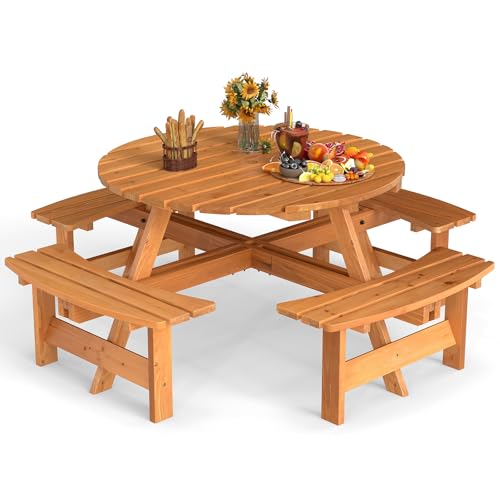
Curved Dining Bench with Back for Round Table
Everything you need to know before choosing a curved, backrest-equipped bench for your round dining table — fit, comfort, materials, and styling, explained clearly.
Explore Recommended OptionsWhy Pair a Curved Bench with a Round Table?
A round table is inherently space-efficient and conversation-friendly, and a curved bench is its ideal partner. The bench mirrors the table's arc, so the seating radius stays consistent and every diner faces roughly the same direction relative to the table center. That geometry matters more than most buyers realize: it means no one is stuck at a sharp corner, and the seating feels balanced rather than lopsided.
Beyond geometry, a curved bench with a backrest delivers practical benefits that a backless bench or a set of individual chairs cannot always match:
- Space efficiency. A bench tucks closer to the table and leaves a wider walking path around the room than several chairs with splayed legs.
- Back support. The backrest cradles the spine and encourages relaxed, upright posture during longer meals.
- Visual cohesion. The curve echoes the tabletop, making the whole arrangement feel deliberate and designed.
- Capacity. Many curved benches seat two adults comfortably — sometimes three in a nook configuration.
- Family-friendly flow. Benches are easy for children to slide onto, and the continuous seat reduces tipping hazards.
If you are still weighing table shapes, the contemporary round dining table guide covers the practical differences between round and rectangular tops in detail.
Getting the Fit Right: Dimensions and Clearances
The single most common mistake when buying a curved bench is miscalculating the fit. Because the bench is curved, its effective seating length is measured along the chord — the straight-line distance between its two ends — rather than the total arc length of the curve. A bench that looks large on a product page can leave a surprisingly short seating run once it is pulled up to the table.
A few measurement rules to work through before you commit:
- Table diameter. Note the exact diameter of your round table. Benches are generally sized to suit a range of diameters, and a bench that is too long will crowd the table and trap legs.
- Bench chord length. This is the usable seating span. As a working guideline, aim for a chord that is roughly two-thirds of the table's diameter for a two-person setup, and proportionally longer for three seats.
- Seat height. Standard dining tables sit around 28–30 inches high; standard benches seat at roughly 17–19 inches. If your table is counter height, you will need a matching counter-height bench so knees clear the apron.
- Knee clearance. Leave at least ten to twelve inches between the bench seat and the underside of the tabletop. Without this, the bench becomes unusable for anyone taller than a child.
- Pull-out gap. Plan for a few inches of space behind the bench so it can be slid out slightly when guests sit down.
If your table is a pedestal or counter-height model, the same principles apply but the numbers shift. The counter-height pedestal table overview explains how pedestal bases interact with bench seating and where the clearance pitfalls are.
Backrest Design and Long-Term Comfort
A backrest is the feature that turns a bench from occasional seating into everyday seating. But not all backrests are equal, and the design details determine whether the bench feels supportive or merely decorative.
Backrest Angle
A gentle recline — roughly 10 to 15 degrees from vertical — distributes pressure evenly across the lower back. Fully vertical backrests feel rigid after a few minutes.
Curve Depth
The horizontal arc of the backrest should follow the natural curve of the shoulders. Too shallow and it offers no cradling; too deep and it forces an awkward posture.
Cushion Density
High-density foam holds its shape for years. Lower-density foam feels plush on day one but compresses quickly, leaving you seated against the frame.
Seat Depth
Seat depth of about 16 to 18 inches supports the thighs without cutting off circulation behind the knees. Deeper benches suit taller diners but may feel oversized for children.
Upholstery Breathability
Woven fabrics and perforated faux leather breathe better than smooth vinyl, which matters in dining rooms that see long, lively dinners.
Frame Rigidity
A curved bench carries load across its span, so the frame needs internal bracing. Solid hardwood or reinforced engineered wood resists flexing under adult weight.
If your room already includes a built-in nook, comfort expectations shift slightly — the bench becomes a permanent piece of furniture rather than a movable one. The corner bench for breakfast nook guide covers built-in considerations in more depth.
Materials and Market Tiers
Curved dining benches span a wide range of construction quality. Rather than fixating on any single figure, it helps to understand how benches are positioned in the market and what each tier typically delivers. The table below summarizes the practical differences.
| Tier | Frame & Upholstery | Typical Characteristics | Best For |
|---|---|---|---|
| Entry-level | Engineered wood frame, medium-density foam, polyester fabric | Lightweight, easy to assemble, adequate for occasional seating | Guest rooms, rental apartments, short-term use |
| Mid-range | Solid wood or reinforced frame, high-density foam, woven fabric or faux leather | Better bracing, smoother curve, longer-lasting cushioning | Daily family dining, breakfast nooks |
| Premium | Hardwood frame, layered foam, genuine leather or performance fabric | Refined stitching, consistent curve geometry, minimal flex | Open-plan dining rooms, long hosting sessions |
| Luxury | Kiln-dried hardwood, pocket-spring or multi-layer foam, designer textiles | Heirloom-grade joinery, tailored upholstery, exacting tolerances | Formal dining rooms, statement interiors |
The mid-range tier is generally the sweet spot for most households: it delivers noticeably better bracing and cushion longevity than entry-level models without stepping into custom-made territory. Within any tier, pay attention to the joinery — dovetails, mortise-and-tenon joints, and corner blocks signal a more durable build than simple butt joints and staples.
For upholstered options, fabric choice matters as much as frame quality. Performance fabrics resist spills and pet hair, while tight-weave linens look more refined but demand more care. If you are coordinating chairs and benches, the curved back dining chairs guide explains how to keep the seating family visually consistent.
Styling a Curved Bench Around a Round Table
A curved bench changes the visual weight of a dining setup. It reads as a continuous piece of furniture rather than a collection of separate seats, which means the surrounding decor needs to complement rather than compete.
- Balance the seating. Pair a bench on one side with two or three chairs on the opposite arc. Mixing bench and chair seating keeps the arrangement from feeling lopsided.
- Choose a complementary rug shape. A round rug echoes the table and bench curves; a rectangular rug anchors the room but may visually fight the circular theme.
- Keep the backrest low-profile in small rooms. A tall backrest blocks sightlines; a lower backrest keeps the room feeling open.
- Add a cushion layer. A bench pad extends comfort and introduces color without committing to a full upholstery change.
- Coordinate with the table finish. Curved benches look most intentional when the wood tone or upholstery shade echoes the table base or top grain.
For additional arrangement ideas, the corner banquette overview shows how curved and L-shaped seating can be combined in tight spaces, and the corner bench and dining table pairing guide walks through full-room layouts.
Care and Maintenance Considerations
A curved bench receives uneven wear: the seat's center takes more pressure than its ends, and the backrest absorbs contact from shoulders and heads. A few maintenance habits keep the bench comfortable and presentable for years.
- Rotate cushions periodically. If the seat pad is removable, flip and rotate it to distribute compression evenly.
- Vacuum upholstery weekly. Crumbs and dust work into seam crevices, especially on curved seams where debris collects.
- Spot-clean promptly. Blot spills rather than rubbing, and test any cleaner on an inconspicuous area first.
- Check fasteners. Curved benches flex more than straight ones; tighten leg bolts and frame screws every few months.
- Protect wood legs. Felt pads prevent floor scratches and reduce vibration that loosens joints over time.
If you are furnishing a complete nook, the corner nook dining set guide explains how bench maintenance fits into a wider care routine for built-in seating.
Frequently Asked Questions
Will a curved bench fit a standard round dining table?
In most cases, yes, but the fit depends on matching the bench chord length to the table diameter. Measure both before buying, and confirm that the bench leaves enough knee clearance beneath the apron.
How many people can sit on a curved bench?
Most curved dining benches seat two adults comfortably. Larger nook-style benches can seat three, provided the chord length and cushion width support it.
Is a backless curved bench a better choice for small rooms?
A backless bench preserves sightlines and slides fully under the table, which can be advantageous in very compact rooms. A backrest, however, offers meaningful comfort for everyday dining, so the trade-off depends on how often the table is used.
Can I mix a curved bench with standard chairs?
Absolutely — and many designers recommend it. A bench on one side and chairs on the other keeps the arrangement balanced and flexible for different group sizes.
What seat height should I look for?
Standard dining benches seat at roughly 17 to 19 inches, matching standard-height tables. Counter-height setups require a correspondingly taller bench so diners can sit with feet supported.
Related Guides
Recommended Curved Dining Benches with Back for Round Tables
⚠️ AFFILIATE DISCLOSURE: This website contains affiliate links. As an affiliate Associate, we earn from qualifying purchases. If you make a purchase through these links, we may receive a small commission at no additional cost to you. Read our full affiliate policy.

Christopher Knight Home Wally Boucle Upholstered Dining Bench, Modern Large Dining Room Chair, Entryway Ottoman Bench, Bedroom End of Bed Seating, Armless Desing and Wooden Frame, Light Gray+Natural
Check price on Amazon
Tangkula Acacia Wood Metal Curved Bench, Fire Pit Patio Bench for 2, 1 Pack | Slatted Seat, Solid Metal Legs, 800 LBS Capacity, Oil Painted, Backless Dining Seating for Yard, Garden, Porch & Campfire
Check price on Amazon
Mid Century Modern Boucle Loveseat, Upholstered Bench with Back,Green | Curved Banquette Seating with Round Armrest, 2-Seater Accent Sofa for Small Apartment, Living Room, Dining Room
Check price on Amazon
Breakfast Nook Table Set, Farmhouse 5-Piece Round Dining Table Set with Bench Seating, 47" Kitchen Nook Furniture for 4-6 People, Wood Dining Nook Set for Small Spaces (Grey, Natural Round table)
Check price on Amazon
Transformer Table Round Dining Bench, Royal Brown | Extendable Solid Wood 39"-103", Seats up to 4, Modern Space Saving, For Kitchen & Dining, Fully Assembled
Check price on Amazon
LITTLE TREE Solid Wood Bench with Back, 47-Inch Long Farmhouse Wooden Indoor Window Bench Seat for Entryway, Mudroom, Living Room, Easy Assembly, Rustic Brown
Check price on Amazon
5-Piece Round Dining Table Set, Kitchen Dining Room Set for 4-5, Acacia Wood Dining Table with Curved Bench & 3 Upholstered Chairs and Special-shaped Legs, Compact Space-saving Design (Grey-44)
Check price on Amazon