
Dark Wooden Table: Complete Buying Guide for Dining Rooms
Everything you need to know about choosing, styling, and caring for a dark wood dining table — from wood species and finishes to chair pairings and long-term maintenance.
Why a dark wooden table deserves your attention: A dark wood dining table is one of the most enduring anchors of a well-designed dining room. Its deep tone creates instant visual weight, frames the meal like a stage, and hides everyday wear better than pale finishes. But not all dark tables are equal — species, grain, finish, and construction vary widely. This guide walks you through every decision so you can buy with confidence.
What Makes a Dark Wooden Table Different
A dark wooden table is defined less by a single wood species and more by its visual tone — deep espresso, walnut brown, charcoal-stained oak, or ebonized ash. The darkness comes from either the natural heartwood of species like walnut and mahogany, or from stains and finishes applied to lighter woods. Each route has trade-offs in grain visibility, durability, and maintenance.
Compared with light oak or ash tables, dark wood surfaces tend to:
- Hide scratches and water rings more gracefully between refinishing cycles.
- Anchor a room visually, making surrounding decor and tableware pop.
- Pair naturally with warm metals like brass and bronze, and with cool metals like matte black steel.
- Require more dusting — dark surfaces show dust and fingerprints more readily than pale ones.
- Feel more formal by default, though farmhouse and industrial styles soften that impression.
If you are still comparing silhouettes, our guide to contemporary dining tables covers how shape and proportion interact with tone.
Best Wood Species for Dark Dining Tables
The species behind a dark table determines grain character, hardness, and how the surface ages. Here is how the most common options compare:
| Wood Species | Grain Character | Durability Tier | Best For |
|---|---|---|---|
| Black Walnut | Rich, flowing grain with subtle color variation | High-end tier | Formal dining, heirloom-quality pieces |
| Mahogany | Fine, straight grain with deep reddish-brown tone | Premium | Traditional and transitional interiors |
| Espresso-Stained Oak | Pronounced open grain, consistent dark tone | Mid-range | Everyday family dining, modern farmhouse |
| Ebonized Ash | Subtle grain under a near-black finish | Mid-tier | Minimalist and industrial spaces |
| Acacia (dark finish) | Dramatic contrast grain, rustic character | Essential tier | Casual dining, textured rustic styling |
| Rubberwood (stained) | Even grain, uniform dark color | Entry-level | Starter homes and apartment dining |
Solid walnut and mahogany sit at the top of the durability scale and reward proper care with decades of service. Stained oak and ebonized ash offer a strong balance of grain character and resilience for busy households. Entry-level stained species are a reasonable first step but generally have thinner veneers or softer cores that require more careful handling. For a deeper dive into pairing dark wood with upholstered seating, see our guide on dark wood dining tables with upholstered chairs.
Understanding Finishes: Lacquer, Oil, and Wax
The finish controls how a dark table looks, feels, and survives daily use. Three families dominate:
- Lacquer and polyurethane: A film-forming coating that sits on top of the wood. It offers strong resistance to moisture and stains, and is common on mid-range and premium tables. The trade-off is that scratches tend to show as light marks against the dark surface, and repairs usually require professional refinishing.
- Hardwax oil: Penetrates the wood rather than coating it, leaving a natural, low-sheen surface that feels close to bare timber. Spot repairs are straightforward, and the finish deepens beautifully over time. It requires periodic re-oiling — typically once or twice per year in active homes.
- Wax and shellac: Traditional finishes that offer a warm, hand-rubbed look. They are more susceptible to heat and alcohol damage, so they suit formal dining rooms with lighter, controlled use.
For dark tables specifically, satin and matte finishes tend to hide dust and smudges better than high gloss. High-gloss dark surfaces look striking in showrooms but demand frequent polishing to stay presentable.
Styles That Suit a Dark Wooden Table
Dark wood is a neutral anchor, which means it adapts to a wide range of interior styles. The most reliable pairings are:
- Modern farmhouse: A dark stained trestle table paired with white or cream chairs creates the contrast that defines the look. See our contemporary farmhouse dining room guide for layout ideas.
- Dark and moody: Deep charcoal or walnut tables against moody walls in forest green or ink blue feel intentional and sophisticated. Our dark and moody dining room article covers paint and lighting choices.
- Mid-century modern: Walnut tables with tapered legs are a defining element of mid-century interiors. Pair with sculptural chairs and a simple pendant.
- Industrial loft: Ebonized or dark-stained tables combined with black steel frames and exposed brick feel at home in converted spaces.
- Transitional formal: Mahogany or walnut tables with turned legs and upholstered host chairs work in classic dining rooms.
If your room leans contemporary overall, our contemporary dining room sets overview covers how dark finishes integrate with modern silhouettes.
Choosing the Right Size and Shape
Dark tables carry more visual weight, so proportion matters more than with pale finishes. A few rules of thumb:
- Allow 36 inches of clearance between the table edge and walls or other furniture so chairs can pull out comfortably.
- Plan 24 inches of table width per diner for comfortable place settings.
- Round and oval tables soften the visual heaviness of dark wood and work well in compact rooms. Consider a contemporary round dining table in a dark finish for tight footprints.
- Rectangular tables in dark wood feel most formal and suit longer dining rooms.
- Extendable designs let a dark table flex between everyday seating and holiday gatherings without changing the room's anchor piece.
For small rooms, our contemporary dining sets for small spaces guide includes dark-toned options that do not overwhelm the footprint.
Pairing Chairs with a Dark Wooden Table
Chair choice determines whether a dark table reads as heavy or balanced. The most dependable strategies:
- Light upholstery for contrast: Cream, oatmeal, or light grey fabric chairs lift a dark table and prevent a boxed-in look. Our cream dining room chairs guide covers fabric selection.
- Matching dark wood for formality: Dark wood chairs in the same finish create a cohesive, traditional set. This works best in larger rooms with generous lighting.
- Mixed materials for texture: Cane-back, rattan, or leather chairs add warmth without competing with the table's finish. See contemporary leather dining chairs for a modern take.
- Curved silhouettes for softness: A curved back dining chair breaks up the straight lines of a rectangular dark table.
A practical rule: if the table is dark and rectangular, at least one element — chairs, rug, or walls — should be light to keep the composition balanced.
Recommended Dark Wooden Tables & Dining Furniture
⚠️ AFFILIATE DISCLOSURE: This website contains affiliate links. As an affiliate Associate, we earn from qualifying purchases. If you make a purchase through these links, we may receive a small commission at no additional cost to you. Read our full affiliate policy.

GarveeHome Farmhouse Dining Table for 4-6 People, 63" Long Kitchen Tables | Wooden Sturdy Frame, 5 ft Large Rectangular Dinner Table for Dining Room, Kitchen, Dark Walnut, 63" Non-extendable
Check price on Amazon
Stakmore Classic Straight Edge Square Wood Folding Table, 32 in, Cherry | Foldable for Storage in Small Spaces, Wooden Tabletop Furniture, for Cards, Board Games, Dining, and Extra Seating
Check price on Amazon
Stakmore Classic Straight Edge Square Wood Folding Table, 32 in, Fruitwood | Foldable for Storage in Small Spaces, Wooden Tabletop Furniture, for Cards, Board Games, Dining, and Extra Seating
Check price on Amazon
Sleekform 6 Ft Wooden Folding Banquet Table, 28 Inch, with Carry Handle | Portable, Sturdy & Lightweight, For Dinner, Conference or Picnic, Real Wood, Walnut Finish, Indoor & Outdoor Use
Check price on Amazon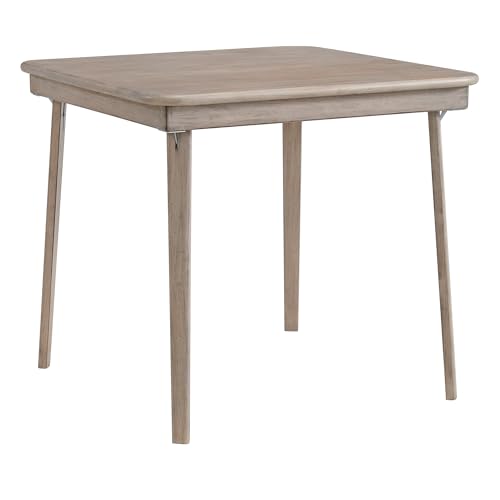
Stakmore Classic Straight Edge Square Wood Folding Table, 32 in, Driftwood | Foldable for Storage in Small Spaces, Wooden Tabletop Furniture, for Cards, Board Games, Dining, and Extra Seating
Check price on Amazon
Sleekform Wood Folding Table - The Portland Lightweight Portable Desk | Small Wooden Foldable Table, No Assembly Required - Light Weight Folding Desk for Small Spaces
Check price on AmazonCaring for a Dark Wooden Table
Dark surfaces show dust and smudges quickly, but the underlying wood is generally forgiving. A simple routine keeps the finish rich for years:
- Daily: Dust with a soft microfiber cloth. Avoid paper towels, which can leave lint and micro-scratches.
- Weekly: Wipe with a slightly damp cloth and dry immediately. Never leave standing water on the surface.
- Monthly: Apply a wood conditioner or hardwax oil refresher if the finish looks dry or dull.
- Always: Use coasters, trivets, and placemats for hot dishes and drinks. Felt pads under decorative objects prevent scratches.
- Seasonally: Keep the table away from direct sunlight and heating vents to prevent uneven fading and cracking.
For deeper maintenance — from refinishing small scratches to re-oiling a tired surface — our dining care and maintenance section covers step-by-step methods.
Common Mistakes When Buying a Dark Wooden Table
- Ignoring the room's light levels. Dark wood in a dim room can feel oppressive. Layer in a pendant, sconces, or a floor lamp before deciding the table is "too dark."
- Choosing high gloss for high-traffic homes. Gloss shows every fingerprint and scratch. Satin or matte finishes are more forgiving.
- Underestimating chair contrast. All-dark dining sets in small rooms tend to feel closed in. One light element makes a noticeable difference.
- Skipping the sample. Stain colors look different in natural light. Request a wood sample or view the table in person if possible.
- Overlooking the base. A heavy dark top on a spindly base can feel visually unstable. Match the visual weight of the top and base.
Frequently Asked Questions
What woods are typically used for dark wooden tables?
Walnut, mahogany, espresso-stained oak, and ebonized ash are common options. Walnut offers rich grain and durability, while stained oak provides a more consistent tone at a mid-range position.
How do I protect a dark wooden table from scratches and stains?
Use felt pads under items, placemats for hot dishes, and a quality table pad for heavy use. Reapply a wood conditioner or hardwax oil periodically, and always clean spills immediately with a soft, slightly damp cloth.
Does a dark wooden table make a room feel smaller?
A dark table can anchor a space, but in very small rooms it may feel heavy. Pair it with light walls, sheer curtains, and a light rug to balance the visual weight. Round or oval dark tables soften tight layouts.
What chair styles pair best with a dark wooden table?
Upholstered chairs in light neutrals create contrast, while matching dark wood chairs feel formal. Mid-range upholstered designs with tapered legs bridge classic and modern interiors well.
Ready to Choose Your Dark Wooden Table?
Browse our curated selection of dark wood dining tables, compare features, and find the piece that fits your room and your routine.
Explore Recommended TablesContinue Exploring
Deepen your research with these related guides:
- Dark and Moody Dining Room Ideas — how to build a cohesive dark-toned space around your table.
- Dark Wood Dining Table with Upholstered Chairs — chair pairing in detail.
- Contemporary Dining Tables — modern silhouettes and finishes.
- Contemporary Round Dining Tables — ideal for compact rooms.
- Contemporary Dining Sets for Small Spaces — space-smart layouts.
- Dining Furniture Care and Maintenance — long-term upkeep for wood surfaces.