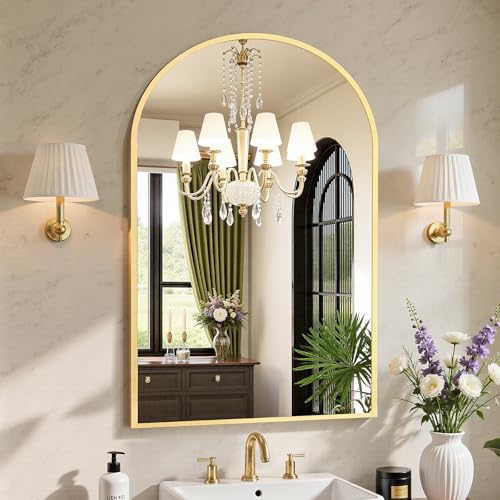
Your Complete Guide to Decorative Mirrors
Decorative mirrors are more than functional—they are design statements that can transform the entire atmosphere of a dining room. This guide covers everything from styles and sizes to placement and care, helping you make a confident choice.
1. Mirror Styles for Every Dining Aesthetic
The style of your mirror should complement your dining furniture and overall decor. For a modern look, consider a modern dining set paired with a sleek, frameless mirror. If you prefer a farmhouse vibe, a rustic wooden-framed mirror works beautifully with solid wood dining tables. For a touch of glamour, a sunburst or gold-leaf mirror adds instant elegance.
Popular styles include:
- Arched & Sunburst: Classic and eye-catching.
- Geometric & Asymmetrical: Contemporary and artistic.
- Round & Oval: Soft and versatile.
- Ornate & Vintage: Rich and traditional.
2. Choosing the Right Size
Size is crucial. A mirror that is too small can look lost on a large wall, while an oversized mirror might overwhelm the space. As a rule of thumb, the mirror should be about ⅔ to ¾ the width of the furniture below it—such as a buffet or sideboard. For a dining table, consider a mirror that is at least half the table's length.
Placement height also matters: the center of the mirror should be at eye level (around 57–60 inches from the floor) for the best visual impact.
3. Placement Strategies That Work
Where you place a mirror affects its impact. Here are some proven ideas:
- Above a Buffet: Creates a focal point and adds depth.
- Opposite a Window: Reflects natural light, making the room brighter—especially useful if you want to maximize natural light.
- At the End of a Hallway: Draws the eye and makes corridors feel longer.
- As Part of a Gallery Wall: Mix mirrors with art for a curated look.
Avoid placing a mirror directly across from a cluttered area, as it will reflect the mess. Instead, aim it at something beautiful—a centerpiece, a piece of art, or a window.
4. Materials and Frames
Frames define the mirror's character. Popular materials include:
- Wood: Warm and natural, ideal for rustic or traditional spaces.
- Metal (Gold, Silver, Black): Modern and versatile, fits many styles.
- MDF with Veneer: Budget-friendly and available in many finishes.
- Bamboo or Rattan: Bohemian and textured, great for eclectic decor.
If you're considering a full dining room makeover, a mirror can tie the whole look together, complementing your dining table set and chair choices.
5. Mirror Care and Maintenance
To keep your decorative mirror looking its best, clean it regularly with a soft, lint-free cloth and a glass cleaner. Avoid harsh chemicals that can damage the frame or reflective coating. For wooden frames, use a wood polish to maintain the finish. Ensure your mirror is securely mounted, especially in homes with children or pets.
6. Budget and Where to Buy
Decorative mirrors range from affordable to high-end. Expect to pay around $150–$600 for a quality mid-range mirror, while designer or large-scale pieces can exceed $1,000. You can find excellent options at online retailers, local furniture stores, or through custom mirror makers for a bespoke look.
If you're working with a limited budget, consider second-hand mirrors—they can often be refinished or repainted to match your decor. Many online retailers offer a wide selection with customer reviews to help you decide.
7. Mirrors as a Design Element
Beyond their practical use, mirrors are a powerful design tool. They can create a sense of symmetry, highlight architectural details, or even act as a piece of art. For example, a series of small round mirrors can create a playful, modern gallery effect, while one large rectangular mirror above a console table adds instant sophistication.
When selecting a mirror, consider the shape of your dining room. For long, narrow rooms, a horizontal mirror can visually widen the space. For square rooms, a round or oval mirror can soften the edges.
Final Checklist Before You Buy
- Measure the wall and the furniture underneath.
- Choose a style that complements your dining chairs and table.
- Decide on placement—above a sideboard, opposite a window, or as a standalone piece.
- Check the weight and ensure your wall can support it.
- Consider the reflection: what will the mirror show?
- Read reviews and check the warranty.
With these insights, you're ready to choose the perfect decorative mirror that enhances your dining room's beauty and functionality. Enjoy the process of transforming your space!