
Dining Room Sideboard: Complete Buying Guide
Discover how to choose the perfect sideboard for your dining room. From size and storage to materials and style, this comprehensive guide covers everything you need to know before making your purchase.
Why You Need a Dining Room Sideboard
A dining room sideboard is more than just a piece of furniture — it's a functional centerpiece that combines storage, serving space, and style. Whether you're hosting formal dinner parties or enjoying casual family meals, a well-chosen sideboard can transform your dining experience by providing easy access to dinnerware, linens, and serving essentials while adding visual warmth to the room.
Unlike a credenza or cabinet, a sideboard offers a long, low profile that works beautifully against a wall, creating a natural focal point and offering a generous surface for displaying decor or serving food buffet-style.
In this guide, we'll walk you through sideboard sizes, material options, storage configurations, and styling tips to help you make an informed purchase that fits your space and lifestyle.
Key Considerations Before Buying
1. Size & Proportion
The most common mistake when buying a dining sideboard is choosing the wrong size. A sideboard that's too large will overwhelm the room, while one that's too small looks lost and fails to provide adequate storage.
- Length: Ideally, your sideboard should be about two-thirds the length of your dining table. For a standard 72-inch table, look for a sideboard between 48–60 inches long.
- Depth: Standard depth ranges from 16–20 inches. Deeper sideboards offer more storage but require more floor space.
- Height: Most sideboards are 30–36 inches tall, making them comfortable for serving and displaying items.
Before purchasing, measure your wall space and dining area carefully. Don't forget to account for clearance when chairs are pushed back from the table, and leave at least 36 inches of walking space between the table and sideboard.
💡 Pro Tip: The 36-Inch Rule
Always maintain at least 36 inches (3 feet) of clearance between your dining table and sideboard for comfortable movement. In smaller rooms, this can be reduced to 30 inches, but never less than 24 inches.
2. Material & Finish
The material of your sideboard affects everything from durability to aesthetics and price. Here are the most popular options:
- Solid Wood: Offers unmatched durability, natural beauty, and value. Options like oak, walnut, mahogany, and maple each have unique grain patterns and color tones. Solid wood sideboards are an investment that can last for generations.
- Wood Veneer: More affordable than solid wood while still offering a premium look. High-quality veneers are used in many contemporary designs and can be just as durable with proper care.
- Metal: Industrial-style sideboards often feature steel or iron frames with wooden or glass shelves. These are incredibly durable and offer a modern aesthetic.
- Glass: Glass-front cabinets with metal or wooden frames can make your dining room feel larger and lighter, but they require regular cleaning to maintain clarity.
Consider your existing farmhouse dining room aesthetic or modern dining room decor when choosing finishes. A rustic dining table pairs beautifully with a warm wood sideboard, while a sleek glass table works well with a minimalist metal sideboard.
3. Storage Configuration
Sideboards offer various storage options to suit different needs:
- Drawers: Ideal for storing cutlery, napkins, placemats, and other dining essentials. Look for soft-close mechanisms for added comfort.
- Shelves: Perfect for displaying dinnerware, glassware, or decorative items. Adjustable shelves offer flexibility for storing items of different heights.
- Cabinet Doors: Concealed storage for larger items like serving platters, bowls, or table linens. Glass-front doors allow you to display your favorite pieces while keeping them dust-free.
- Wine Racks: Some sideboards include built-in wine storage, making them an excellent choice for entertaining.
Popular Sideboard Styles
🪵 Traditional
Classic designs with ornate details, turned legs, and rich wood finishes like mahogany or cherry. Perfect for formal dining rooms.
🏡 Farmhouse
Rustic charm with distressed wood finishes, X-shaped details, and a warm, inviting feel. Ideal for casual dining spaces.
🎨 Mid-Century Modern
Clean lines, tapered legs, and warm wood tones like teak or walnut. Great for vintage-inspired dining rooms.
⚡ Industrial
Metal frames with wooden shelves or doors. Hardwearing and stylish, suited for loft-style interiors.
✨ Contemporary
Sleek minimalist designs with glossy finishes, handleless doors, and a focus on clean geometry.
🌿 Scandinavian
Light wood finishes, simple construction, and functional design. Complements any modern interior.
Price Guide: What to Expect
Sideboards vary widely in price depending on material, craftsmanship, and brand. Here's what you can expect to pay in 2026:
| Category | Price Range | Features |
|---|---|---|
| Entry-Level (Particle Board / Laminate) | $300–$800 | Basic storage, lightweight, affordable |
| Mid-Range (Wood Veneer / Solid Wood) | $800–$2,200 | Quality construction, good storage, stylish designs |
| Premium (Solid Hardwood) | $2,200+ | Heirloom quality, premium finishes, exceptional craftsmanship |
Keep in mind that prices may vary based on retailer, sales, and shipping costs. Investing in a quality sideboard from a trusted brand often pays off in the long run, as it will last for years and retain its value.
Styling Your Dining Room Sideboard
Once you've selected the perfect sideboard, it's time to style it. Here are some ideas to make your sideboard a stunning centerpiece:
- Create a Focal Point: Place a large mirror or piece of art above the sideboard to draw the eye and create a sense of height.
- Add Lighting: A pair of table lamps or sconces can add warmth and ambiance. Consider dining pendant lights for overhead illumination.
- Layer with Decor: Combine items of varying heights, textures, and colors. A tall vase, framed photos, and decorative bowls work well together.
- Keep It Functional: Reserve one side of the sideboard for serving essentials like a tray with drinkware or a coffee station.
- Display Dinnerware: Use glass-front cabinets to showcase your favorite dinnerware or serveware.
✨ Styling Rule of Three
For a balanced look, group items in odd numbers — try placing three items (e.g., a vase, a stack of books, and a candle) at different heights. This creates visual interest without looking cluttered.
Alternatives to a Sideboard
If a traditional sideboard doesn't suit your space, consider these alternatives:
- Buffet Server: A slightly smaller, more casual version of a sideboard. Perfect for everyday use.
- Credenza: Often features a lower profile and simpler lines. Ideal for a more minimalist look. Explore our dining room credenza guide for more options.
- Console Table: Narrow and lightweight, great for small dining areas where floor space is limited.
- Cabinet: Taller storage solutions that can hold more items. Check out our dining room cabinet suggestions.
- Floating Shelves: A budget-friendly option that doesn't take up floor space and adds storage and display area.
When space is at a premium, consider storage cabinet dining solutions or dining area storage options that maximize every square inch.
Care & Maintenance
To keep your sideboard looking beautiful for years, follow these simple care tips:
- Regular Dusting: Use a soft microfiber cloth to remove dust weekly. For wood finishes, consider a gentle wood polish every few months.
- Immediate Spill Cleanup: Wipe up spills immediately to prevent stains or warping.
- Avoid Direct Sunlight: Prolonged sun exposure can fade and damage wood finishes.
- Use Coasters & Trivets: Always use coasters or trivets under drinks and hot dishes to protect the surface.
- Check Hardware: Periodically tighten handles, hinges, and drawer pulls to ensure they function properly.
Frequently Asked Questions
What is the difference between a sideboard and a buffet?
The terms are often used interchangeably. However, a sideboard typically refers to a piece with drawers and cabinets in a more formal style, while a buffet is often used for serving meals and may have a simpler design. In practice, they serve the same function.
How tall should a dining sideboard be?
Most sideboards are between 30–36 inches tall. This height is comfortable for serving and creates a balanced visual line with standard-height dining tables (28–30 inches).
Can a sideboard be used in other rooms?
Yes! Sideboards are versatile and can be used in living rooms, entryways, or even bedrooms as extra storage and display space. Their long, low profile makes them adaptable to various interiors.
How do I choose the right sideboard color?
Consider your existing decor. For a cohesive look, match the wood tone to your dining table or chairs. Alternatively, choose a contrasting color to create visual interest. Neutral tones like white, gray, and natural wood are timeless choices.
Best Dining Room Sideboards & Buffets
⚠️ AFFILIATE DISCLOSURE: This website contains affiliate links. As an affiliate Associate, we earn from qualifying purchases. If you make a purchase through these links, we may receive a small commission at no additional cost to you. Read our full affiliate policy.

HOSTACK 60" W Sideboard Buffet Cabinet with Storage, Kitchen Cabinet, White

Concho 54" Sideboard Cabinet, Kitchen Buffet Cabinet with Storage, Blue

HOSTACK Kitchen Buffet Sideboard Storage Cabinet, Coffee Bar Cabinet, White

IFGET 92.63" W Modern Arched Sideboard Buffet Cabinet with Storage, Natural
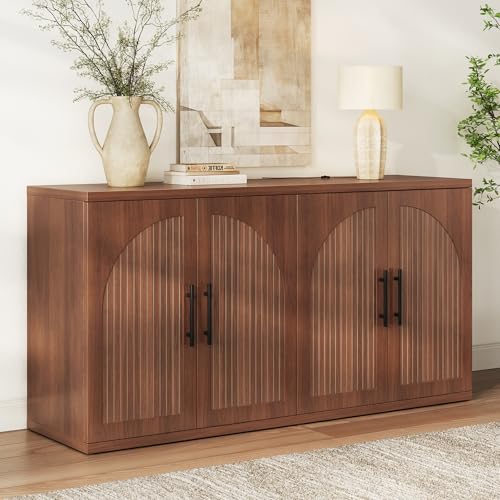
MapleGrace 63" Fluted Buffet Cabinet, Walnut Credenza with Adjustable Shelf
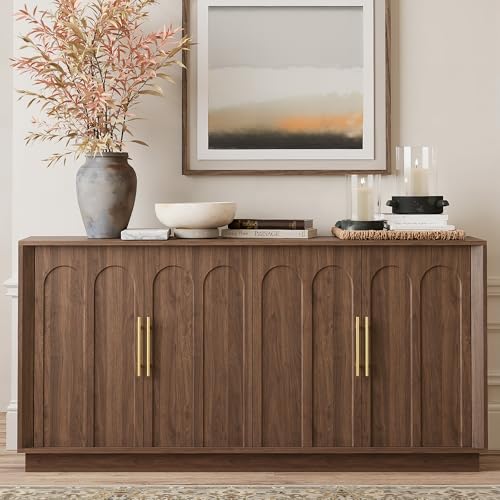
FORTUNETEC 67" Sideboard Buffet Cabinet with Storage, Arched Doors, Walnut

ONBRILL 48 Inch Buffet Cabinet with Storage, Brown
