
Good Bar Stools: The Complete Buying Guide
Everything you need to know about choosing bar stools that fit your counter height, match your interior style, and stay comfortable through long dinners, casual breakfasts, and lively gatherings.
Why this guide matters: Bar stools are among the hardest-working seats in the home, yet they are often chosen on appearance alone. A stool that is too tall, too narrow, or poorly built can make an otherwise beautiful kitchen island uncomfortable to use. This guide walks you through the measurements, materials, and comfort features that separate a good bar stool from a great one, so you can buy with confidence.
What Makes a Bar Stool "Good"?
A good bar stool is not defined by a single feature. It is the result of correct height, stable construction, sensible ergonomics, and a finish that suits the room. Before browsing styles, it helps to understand the four pillars that separate a stool you will love from one you will regret:
- Correct seat height — the stool must align with your counter or bar so your legs rest naturally and your elbows can sit comfortably at the surface.
- Stable, durable frame — solid joinery, reinforced legs, and quality materials prevent wobble and extend the life of the stool.
- Comfort features — footrests, contoured seats, and supportive backs make long sittings far more enjoyable.
- Style and finish — the stool should complement your kitchen island, counter, or bar rather than fight with it.
Bar Stool Height Guide: Getting the Measurement Right
Height is the single most important decision. The general rule is to leave 9 to 12 inches (about 23 to 30 cm) of clearance between the top of the stool seat and the underside of the counter or bar. This allows comfortable legroom and prevents knees from bumping the surface.
| Counter/Bar Height | Recommended Seat Height | Best For |
|---|---|---|
| Standard counter (36 inches / 91 cm) | 24 to 26 inches (61 to 66 cm) | Kitchen islands, breakfast bars, casual dining counters |
| Standard bar (42 inches / 107 cm) | 28 to 30 inches (71 to 76 cm) | Home bars, pub-style counters, raised dining bars |
| Extra-tall bar (over 42 inches) | 30 to 32 inches (76 to 81 cm) | Commercial-style bars, tall pub tables |
| Adjustable-height counters | Adjustable stool (23 to 32 inches) | Multi-use spaces, households with varied seat preferences |
Measurement tip: Always measure from the floor to the top of your counter or bar, then subtract 9 to 12 inches. If you are between sizes, choose the shorter stool so your legs are not compressed against the underside of the counter.
Types of Bar Stools
Bar stools come in several structural categories, each suited to different spaces and usage patterns. Understanding these types helps you narrow your search quickly.
Backless Bar Stools
Backless stools tuck neatly under the counter and keep sightlines open, making them a strong choice for small kitchens and open-concept layouts. They are easy to move and store, but offer less support for long sittings. For households that mainly use stools for quick meals, backless designs are practical and space-efficient.
Low-Back and Mid-Back Bar Stools
These stools provide a measure of lumbar support without the visual bulk of a full-back chair. They suit kitchen islands where you want comfort for extended conversations while preserving a clean, open look. Mid-back models are especially popular for counter-height seating where family members gather regularly.
Full-Back Bar Stools
Full-back stools resemble small dining chairs and offer the most support. They work well at home bars, breakfast nooks, and any setting where people linger. Because they occupy more visual space, they tend to suit larger kitchens or dedicated bar areas.
Swivel and Adjustable Bar Stools
Swivel stools make it easy to turn toward the kitchen or conversation without moving the entire seat. Adjustable-height models, often with gas-lift mechanisms, adapt to different counters and users. If you are unsure about height or share the space with people of varying sizes, an adjustable stool offers flexibility. You may also want to explore foldable bar stools for temporary or flexible seating needs.
Materials: Wood, Metal, Upholstery, and More
The material of your bar stool affects durability, maintenance, and the overall look of your space. Here is how the main options compare.
Solid Wood Bar Stools
Wood stools bring warmth and a timeless feel to kitchen islands and farmhouse-style rooms. Hardwoods such as oak and beech offer durable construction and age gracefully. Wood requires occasional conditioning to prevent drying and cracking, but with basic care it can last for decades.
Metal Bar Stools
Steel and aluminum stools are valued for their strength and slim profiles. Powder-coated finishes resist rust and scratches, making them suitable for busy households. Metal works especially well in industrial and modern settings. A rust-proof finish and reinforced joints are signs of good build quality.
Upholstered Bar Stools
Fabric, leather, and faux-leather upholstery adds comfort and softness. Upholstered seats are preferable when stools are used for long meals or as primary seating. Look for high-density foam and tightly stitched seams, which indicate durable construction. Easy-clean materials are wise for households with children.
Mixed-Material Bar Stools
Many contemporary stools combine a metal frame with a wood seat or upholstered top. These designs balance durability with visual warmth and fit a wide range of interiors, from modern farmhouse to transitional spaces.
Comfort and Ergonomics: What to Look For
Comfort is where good bar stools distinguish themselves from merely acceptable ones. Pay attention to these features:
- Footrest placement — a well-positioned footrest lets you sit with your feet supported rather than dangling, which reduces strain on your legs and back.
- Seat depth and width — a seat that is too narrow or shallow becomes uncomfortable quickly. Aim for a seat wide enough to sit fully on and deep enough to support your thighs.
- Contoured or padded seats — slight contouring or cushioning distributes weight more evenly during long sittings.
- Back support — if the stool will be used for meals rather than brief stops, a low or mid-back design offers meaningful lumbar support.
- Swivel range — a smooth swivel makes it easier to get in and out and to join conversations.
Try before you commit: If possible, sit on a stool at the correct height for a few minutes. Small differences in seat contour and footrest position become obvious quickly, and they matter more than most style details.
Stability and Build Quality
A bar stool that wobbles is a daily annoyance and, over time, a safety concern. When evaluating build quality, look for these indicators:
- Solid joinery — mortise-and-tenon joints, welded metal frames, and reinforced brackets are signs of durable construction.
- Weight and balance — a stool with a wider base or a weighted foot is less likely to tip when someone leans or climbs onto it.
- Non-marking feet — rubber or felt glides protect hard floors and reduce noise.
- Quality hardware — for swivel and adjustable stools, smooth mechanisms and sturdy pivots indicate better engineering.
Entry-level stools often use simpler joinery and lighter frames, while mid-range and premium models typically add reinforced construction, smoother swivel mechanisms, and higher-grade finishes. If the stools will see daily use, it is usually worthwhile to move up a tier for stability and longevity.
Matching Bar Stools to Your Space
Style consistency ties the room together. Consider these common pairings:
- Modern and minimalist kitchens — slim metal frames, backless designs, and neutral finishes keep the look clean.
- Farmhouse and rustic spaces — wooden stools with visible grain and simple silhouettes complement natural textures.
- Industrial lofts — metal frames with wood seats and exposed hardware suit raw, open interiors.
- Transitional and classic rooms — upholstered stools with low backs bridge traditional and contemporary elements.
- Coastal and bright spaces — light wood tones and white or pale finishes reflect natural light.
If you are still deciding between stool types, comparing gold bar stools with more neutral finishes can help you judge how much visual statement you want the seating to make. For a bolder accent, green bar chairs and green counter stools show how color can anchor a kitchen island. Stools with a foldable or compact design, such as folding bar stools, are also worth considering for flexible layouts.
Bar Stool Tiers: Entry-Level, Mid-Range, and Premium
Bar stools can be grouped into three broad market tiers. This classification is about construction and features, not currency, and it helps you calibrate expectations for durability and comfort.
Entry-Level Tier
Simple frames, basic finishes, and lightweight construction. Suitable for occasional seating and light use. Best for guest overflow or short-term setups.
Mid-Range Tier
Reinforced joints, smoother swivel mechanisms, and more comfortable seats. A balanced choice for daily family use and kitchens that see regular entertaining.
Premium Tier
High-grade materials, refined joinery, premium upholstery, and careful finishing. Built for long-term daily use and designed to hold up in busy households.
Mid-range models usually offer smoother mechanisms and better seat comfort than entry-level options, while premium stools add superior materials and finishing. Choosing the right tier depends on how often the stools will be used and how long you expect to keep them.
Recommended Bar Stools for Your Kitchen and Bar
The selection below highlights good bar stools across styles and tiers. Use the product cards to compare features, then click through to view availability and details on the retailer page.
Best Bar Stools for Kitchen Islands & Counters
⚠️ AFFILIATE DISCLOSURE: This website contains affiliate links. As an affiliate Associate, we earn from qualifying purchases. If you make a purchase through these links, we may receive a small commission at no additional cost to you. Read our full affiliate policy.

CAROLMADE Bar Stools Set of 2, Adjustable Metal Bar stools Swivel Counter Height Stool, Backless Barstools for Kitchen Island Pub, Gold
Check price on Amazon
Nalupatio Modern Bar Stools Set of 2, Adjustable Faux Leather Upholstered Swivel Bar Stools, Counter Height Bar Chairs with Back for Kitchen Island, Black
Check price on Amazon
GRUSIGN Bar Stools Set of 2, Modern Swivel Adjustable Bar Chairs, Faux Leather Upholstered Counter Height Bar Stools with Backrest, Comfort Barstools for Kitchen Island, Home Bar, Black
Check price on Amazon
Riknuxi Velvet Bar Stools Set of 3, Counter Height Bar Chairs with Low Back, Gold Swivel Bar Stools for Kitchen Island, Pub (Black)
Check price on Amazon
VECELO Bar Stools Set of 2, Adjustable Bar Stools Counter Height Barstools with Back and Arm, Swivel Bar Chair Stools for Kitchen Counter Island Cafe Dining Room, Industrial Style, Dark Brown
Check price on Amazon
COLAMY Bar Stools Set of 3,Swivel Adjustable Height Leather Bar Chair,Black | Modern Upholstered Barstools Counter Height with High Backrest and Footrest for Kitchen Island, Bar, Dining Room
Check price on Amazon
LVHOMLAX Counter Height Bar Stools,Bar Stools Set of 3,26" PU Leather Modern Kitchen Barstools with Backs,Bar Chairs with Metal Gold Frames,Support 480 LBS,Beige White Leather
Check price on Amazon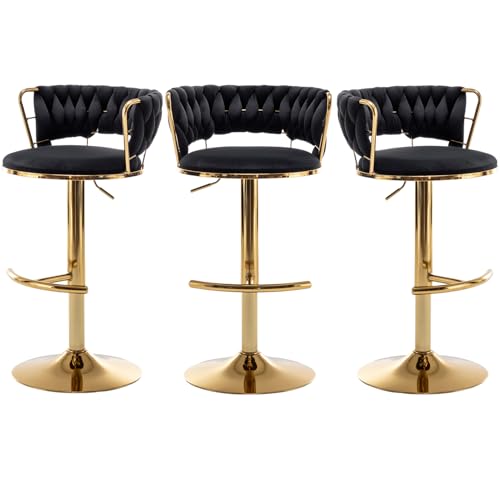
Reyxzoe Gold Bar Stools Set of 3, Counter Stools for Kitchen Island (Black) | Adjustable Height Barstools with Woven Backs, Luxury Velvet Upholstery, Swivel Bar Chairs for Home Bar, Cafe
Check price on AmazonA Practical Buying Checklist
Before you finalize a purchase, run through this checklist to make sure the stool suits your space and habits:
- Measure counter or bar height and confirm the recommended seat height.
- Decide whether you need backless, low-back, mid-back, or full-back support.
- Confirm the stool fits under the counter overhang when not in use.
- Check the weight capacity and frame stability for your household.
- Review seat dimensions for comfort, especially if the stools are primary seating.
- Match materials and finishes to the existing kitchen or bar palette.
- Consider swivel or adjustable features if the space is shared or multi-use.
- Verify assembly requirements, care instructions, and warranty terms.
If your kitchen island doubles as a breakfast nook, it is also worth reviewing furniture for breakfast nooks to coordinate the seating and table arrangement, and free-standing kitchen islands with storage and seating to see how stools integrate with island layouts.
Caring for Your Bar Stools
Basic maintenance keeps bar stools looking good and extends their service life:
- Wood: Dust regularly and apply a wood conditioner periodically to prevent drying. Wipe spills promptly to avoid staining.
- Metal: Wipe with a damp cloth and dry immediately. Touch up any chips in the powder coating to prevent corrosion.
- Upholstery: Vacuum fabric seats regularly and spot clean with a mild cleaner. Rotate stools so wear is distributed evenly.
- Hardware: Check swivel mechanisms and leg joints periodically and tighten any loose fittings.
Frequently Asked Questions
How do I know which bar stool height to choose?
Measure from the floor to the top of your counter or bar, then subtract 9 to 12 inches. Standard 36-inch counters typically pair with 24 to 26-inch seats, while 42-inch bars usually pair with 28 to 30-inch seats.
Are backless or backed bar stools better?
Backless stools save space and keep sightlines open, making them ideal for small kitchens. Backed stools offer more support for long meals and are better suited to bars and breakfast areas where people linger.
How many bar stools fit at a kitchen island?
A common guideline is to allow about 24 inches of width per stool. A six-foot island can usually seat two to three stools comfortably, depending on stool width and whether the island has an overhang.
Are swivel bar stools a good choice?
Swivel stools are convenient in open-plan kitchens because they let users turn toward the cooking area or conversation without moving the seat. They are especially useful at islands used for both dining and socializing.
What materials are most durable for bar stools?
Solid hardwood frames and powder-coated steel are among the most durable options. Upholstered seats add comfort but require more maintenance. Mixed-material designs can combine durability with visual warmth.
Should bar stools have a footrest?
Yes, a footrest is strongly recommended. Without one, your legs dangle and pressure builds on the back of your thighs. A well-placed footrest improves posture and comfort during longer sittings.