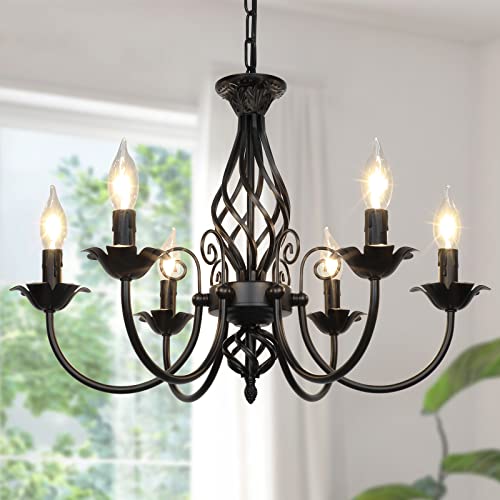
🪄 The Golden Rule: The bottom of your dining room light fixture should hang 30 to 36 inches above the tabletop. This range is the industry standard, but we'll show you how to adjust it for your unique space.
Choosing the right height for your dining room light is about more than just following a rule—it’s about creating a warm, inviting atmosphere where meals are enjoyed and conversations flow. A fixture that hangs too high feels disconnected, while one that’s too low can obstruct views and make the room feel cramped. This guide will walk you through the exact steps to find the sweet spot for your dining room.
Before you start measuring, consider the size and shape of your dining table. A larger table may need a longer drop to maintain visual balance, while a small table for two can look perfect with a fixture closer to the table. The goal is to create a cohesive look that enhances your dining experience.
The Standard Height Rule
The most common recommendation is to hang your dining room chandelier or pendant 30 to 36 inches above the dining table. This provides ample light for the table surface without blocking the view across the room. For standard 8-foot ceilings, this rule works perfectly. However, if your ceiling is higher or lower, you'll need to adjust.
Quick Formula
For 8-foot ceilings: 30–36 inches from tabletop to fixture bottom.
For each additional foot of ceiling height: Add 3 inches to the hanging height.
For each foot below 8 feet: Subtract 3 inches from the hanging height.
Example: A 10-foot ceiling would use 36–42 inches (30 + 6).
This formula ensures your light is proportionate to the room's scale. If you have a round dining table, you might want the fixture centered precisely over the table's center, with the bottom of the shade at the calculated height. Always measure from the tabletop, not the floor, because your table height can vary.
Factors That Influence the Ideal Height
Ceiling Height: As mentioned, taller ceilings require a longer drop. This helps the fixture feel anchored to the table rather than floating in the middle of the room.
Fixture Size: A large, dramatic chandelier may need to hang slightly higher to avoid overwhelming the space. Conversely, a small pendant can hang lower to create a more intimate feel.
Room Function: If you frequently use the dining room for formal dinners, a slightly higher fixture can provide better overall ambient light. For casual, intimate meals, a lower fixture creates a cozy, focused glow.
Consider the visual weight of your dining room furniture. If you have a substantial buffet or sideboard, the lighting should complement that scale. A delicate pendant might look lost next to heavy furniture, while a bold chandelier can balance the room's proportions.
Step-by-Step Guide to Hanging Your Light
- Measure Your Table Height: Standard dining tables are 28–30 inches tall. Measure your tabletop height to ensure accuracy.
- Determine Ceiling Height: Measure from the floor to the ceiling. This will be the basis for your calculations.
- Apply the Rule: Start with 30–36 inches above the table. Adjust using the formula above.
- Check Sightlines: Stand in the doorway and view the room. The fixture should not block the view of art or architectural features.
- Test the Height: Use a temporary string or rope to simulate the fixture at the calculated height. Sit at the table to ensure it doesn't interfere with eye contact.
💡 Pro Tip: If you're unsure, it's generally better to hang the fixture a little higher than too low. You can always lower it later if it feels disconnected, but a fixture that's too low is a hazard and an eyesore.
When selecting a fixture, think about the style of your dining room. A modern farmhouse space might benefit from a sleek linear pendant, while a luxury dining room could call for a crystal chandelier. The hanging height remains crucial, but the fixture's design should harmonize with your overall decor.
Common Mistakes to Avoid
- ❌ Hanging too high: Creates a cold, impersonal look and reduces the effectiveness of task lighting.
- ❌ Hanging too low: Obstructs views, creates glare, and can be a head-bumping hazard.
- ❌ Ignoring fixture width: A fixture that's too wide for the table can feel claustrophobic. Ensure the fixture is at least 6 inches narrower than the table width.
- ❌ Not centering over the table: Always center the fixture over the table, not the room, unless the table is against a wall.
If you're working with an open concept space, the dining light helps define the dining area. Ensuring it hangs at the correct height visually anchors the dining zone within a larger room. The 30–36 inch rule is your starting point, but always prioritize visual harmony.
Frequently Asked Questions
What if I have a 9-foot ceiling?
For a 9-foot ceiling, start with 33–39 inches above the tabletop. This extra 3 inches helps the fixture feel proportionate to the taller space.
Does the rule change for a chandelier vs. a pendant?
The 30–36 inch rule applies to both. However, a chandelier often has multiple tiers, so you might adjust the bottom tier to this height. Pendants are typically more flexible but still follow the same principle.
What about a vaulted or sloped ceiling?
For sloped ceilings, the fixture should still be centered over the table and hang at the standard height. You may need a chain or rod that can be angled to keep the fixture level.
Can I use a dimmer with my dining room light?
Absolutely! A dimmer allows you to adjust the light level, making it perfect for both intimate dinners and bright, casual meals. It also reduces energy consumption.
Remember, the lighting height is just one part of a well-designed dining room. Pair it with the right dining chairs and table to create a cohesive look. If you're considering a dining table with a bench, ensure the light's height works for everyone seated at the table.
Before you make a purchase, verify the fixture's dimensions and chain length. Many pendants and chandeliers come with adjustable rods or chains, giving you flexibility during installation. Always consult a professional electrician if you're unsure about wiring or installation.