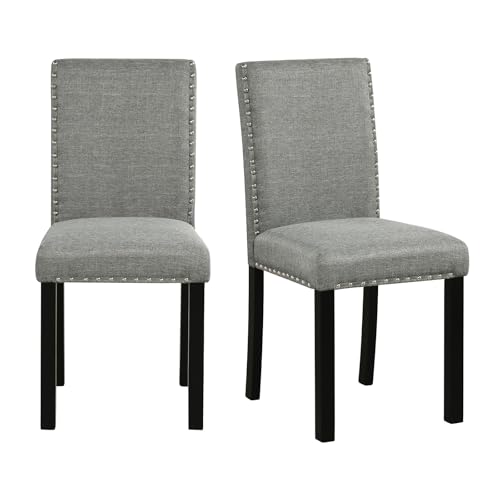
I Want to Reupholster My Dining Room Chairs
A complete step-by-step guide to refreshing your dining seating. Learn fabric selection, tool essentials, and professional techniques to transform worn chairs into statement pieces.
START THE GUIDEWhy reupholster? Dining chairs take a beating from daily meals, family gatherings, and entertaining. Reupholstering extends the life of sturdy frames, lets you match a new design direction, and gives you a truly custom look. Whether your chairs are hardwood dining room chairs or high-back dining room chairs, a fresh fabric can make them feel brand new again.
Assess Your Chairs Before You Start
Before removing a single staple, evaluate the condition of your chair frames. Solid wood frames with tight joints are ideal candidates for reupholstery. Check for wobbling legs, cracked rails, or loose joinery. If the frame is unstable, address structural repairs first, or consider whether the chair is worth the effort. Chairs with quality construction—like heavy-duty dining chairs—typically justify the investment of new upholstery because the foundation is built to last.
Also inspect the seat deck and foam. If the foam is compressed, crumbling, or uneven, plan to replace it. A fresh layer of high-density foam restores comfort and gives your new fabric a smooth, tailored appearance. For chairs with arms, such as high-back upholstered dining chairs with arms, pay extra attention to armrest padding and any exposed wood that needs refinishing.
Choosing the Right Upholstery Fabric
Fabric choice determines durability, comfort, and style. Dining chairs endure spills, crumbs, and frequent use, so prioritize performance alongside aesthetics. Here is a comparison of common upholstery fabric categories:
| Fabric Category | Best For | Durability Tier | Care Notes |
|---|---|---|---|
| Performance Polyester | Family dining, daily use | Mid-tier | Spot clean, stain-resistant |
| Cotton Blend | Casual spaces, breathable comfort | Entry-level | Machine washable options available |
| Linen | Relaxed, natural aesthetic | Mid-range | Wrinkles naturally, gentle cleaning |
| Velvet | Formal dining, luxury feel | Premium | Vacuum regularly, avoid harsh cleaners |
| Leather / Faux Leather | High-traffic, easy wipe-down | High-end tier | Condition leather periodically |
| Wool Blend | Heirloom quality, cold climates | Top-tier | Professional cleaning recommended |
For households with children or pets, performance fabrics with tight weaves resist snags and clean up easily. If your dining room leans toward a specific style, coordinate fabric with your existing pieces—for example, green dining chairs pair beautifully with neutral linen or textured wool. Also consider the chair's frame material: a handcrafted dining table with rich wood grain invites warm, earthy textiles that complement natural tones.
Tools and Materials You Need
Gather everything before you begin so the process stays smooth. Most tools are reusable for future projects, making this a worthwhile investment for DIY-minded homeowners.
- Staple gun (pneumatic or electric)
- Upholstery staples (1/4" to 3/8")
- Staple remover or pry bar
- Fabric scissors
- Measuring tape
- High-density foam (seat cushion)
- Batting or cotton wrap
- Dacron or polyester fiberfill
- Fabric (2-3 yards per chair)
- Marker or chalk
- Screwdriver (for seat removal)
- Dust mask and safety glasses
Step-by-Step Reupholstery Process
Follow these steps for a professional-looking result. Work in a well-ventilated area with plenty of floor space.
Remove the Seat
Flip the chair and unscrew the seat from the frame. Set the screws aside in a labeled bag.
Strip Old Upholstery
Use a staple remover to pull staples carefully. Remove the old fabric, foam, and batting. Keep the original fabric as a template.
Inspect and Repair
Check the seat deck for cracks or loose joints. Glue and clamp any loose areas. Sand rough edges smooth.
Cut New Foam
Trace the original foam shape onto new high-density foam. Cut slightly larger for a snug fit. Add batting over the foam for softness.
Cut Fabric
Lay fabric face down. Center the seat on top. Cut with 3-4 inches of overhang on all sides. Match pattern repeats if applicable.
Staple the Fabric
Pull fabric taut and staple at the center of each side, then work outward. Fold corners neatly and staple securely. Trim excess fabric.
Reattach the Seat
Flip the seat over and screw it back onto the chair frame. Tighten screws evenly so the seat sits level.
Final Touch-Ups
Vacuum the fabric, fluff the batting, and check for loose staples. Test the chair's stability before use.
Aftercare and Longevity Tips
Protect your work with simple habits. Vacuum chairs weekly with an upholstery attachment to remove crumbs and dust. Rotate seat cushions if your chairs have removable pads to distribute wear evenly. For fabric protection, apply a fabric guard spray suitable for your material type—this creates a barrier against spills and stains. Keep chairs away from direct sunlight to prevent fading, and blot spills immediately rather than rubbing them in. With proper care, your reupholstered chairs can look fresh for many years. If you later decide to upgrade your dining lighting, consider hanging dining room lights that complement your refreshed seating area.
Ready to Refresh Your Dining Space?
Explore our recommended upholstery tools and dining furniture products to complete your project.
VIEW RECOMMENDED PRODUCTSFrequently Asked Questions
How much fabric do I need per chair?
For a standard dining chair seat, plan for 2 to 3 yards of 54-inch wide fabric. Pattern repeats and chair size can increase this. Measure carefully and add extra for matching patterns.
Can I reupholster chairs with attached backs?
Yes. Chairs with fully upholstered backs require more fabric and careful stapling around the frame. Detach the back panel if possible, or work carefully around the frame edges.
What is the best foam density for dining chairs?
High-density foam (2.0 to 2.5 lb per cubic foot) offers the best balance of comfort and durability for dining seats. It resists compression better than low-density foam.
Do I need a pneumatic staple gun?
A pneumatic staple gun delivers the most consistent results, but an electric staple gun works well for small projects. Manual staple guns are tiring for full chair sets.
How do I handle pattern matching?
Lay out all cut pieces before stapling so patterns align. Buy extra fabric to allow for pattern repeats. Centered patterns look best on seat cushions.
Recommended Upholstery Tools & Dining Chair Products
⚠️ AFFILIATE DISCLOSURE: This website contains affiliate links. As an affiliate Associate, we earn from qualifying purchases. If you make a purchase through these links, we may receive a small commission at no additional cost to you. Read our full affiliate policy.

VASTATIO Folding Dining Chair with Soft Leather Cushion, Dark Black (1 PC) | 450LBS Capacity, 2-Inch Thick Cushion, 4.7" Folded, Foldable Dining Chairs for Kitchen Dining Room Wedding Office Party
Check price on Amazon
COLAMY Wooden Dining Chairs Set of 6, Farmhouse Upholstered Dining Room Chairs with 3.5" Thick Cushion, FSC Solid Wood Ladder Back Kitchen Chairs for Home and Restaurant, Easy Clean,Brown
Check price on Amazon
HNY Rattan Black Dining Chairs Set of 4, Farmhouse Solid Hardwood Frame, Upholstered Linen Seat, Ergonomic Cane Back Dining Room Chairs for Kitchen, Dining Room, Apartment, Beige
Check price on Amazon
VKNOW Dining Chairs Set of 4, Fabric Dining Chairs, Brown | Modern Mid-Century Upholstered Farmhouse Dinner Chair for Kitchen Dining Room Restaurant, Easy Assembly
Check price on Amazon
LSSBOUGHT Dining Chairs Set of 4, Mid-Century Modern Dining Room Chair Kitchen Chairs, PU Leather Farmhouse Upholstered Dinner Chair for Kitchen Dining Room,Brown
Check price on Amazon
GIANTEX Set of 2 Dining Chairs, Rubber Wood Dining Room Chair, Farmhouse Dining Side Chairs, Max Load 400 Lbs, Wooden Kitchen Chairs for Home Kitchen, Dining Room
Check price on Amazon