


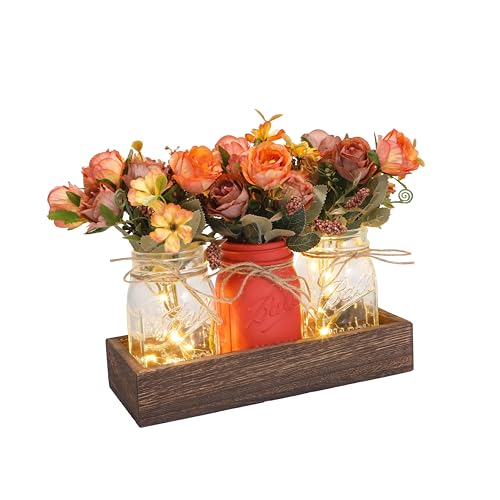


Understanding the Role of a Kitchen Table Centrepiece
A centrepiece is more than decoration — it sets the tone for the entire room. In an open-plan kitchen, it bridges the gap between cooking and dining zones, visually softening hard surfaces like countertops and cabinetry. In a compact breakfast nook, it can create a sense of occasion without overwhelming the space. The best centrepieces share three traits: they suit the scale of the table, they tolerate daily use, and they reflect the personality of the household.
Before choosing a style, consider how your table is used. A family with young children benefits from low, unbreakable arrangements, while a household that entertains often can justify a more elaborate seasonal display. If your kitchen table doubles as a workspace, look for centrepieces that can be moved aside quickly — trays and shallow bowls work well here. For tables that sit against a wall or in a nook, review layout options in our kitchen nooks guide to ensure the centrepiece still reads well from every angle.
How to Choose the Right Size and Scale
Scale is the single most common styling mistake. A centrepiece that is too large blocks sightlines and conversation, while one that is too small disappears against the table surface. As a general rule, the centrepiece should occupy roughly one-third of the table's width and stand no taller than eye level when guests are seated — around 12 to 14 inches for most dining heights.
For round tables, a symmetrical arrangement in the middle works beautifully. For rectangular tables, consider a linear cluster of three objects or a long, low runner. If your table has an extension leaf, choose a centrepiece that can expand or be duplicated when the table grows. Our kitchen table with leaf guide explains how extendable surfaces change styling possibilities. Small-space owners should also read our kitchen tables for small spaces article, which covers compact centrepiece strategies in detail.
Ten Centrepiece Ideas for Every Style
1. Fresh Herb Planter
A trio of small pots with basil, rosemary, and thyme brings greenery and fragrance to the table. Herbs are practical, edible, and forgiving of imperfect light — ideal for busy kitchens.
2. Fruit Bowl with Contrast
A wide, shallow bowl filled with seasonal fruit adds colour and invites grazing. Choose a bowl with a textured or matte finish to contrast with glossy table surfaces.
3. Candle Cluster
Group candles of varying heights on a tray. Keep flames below eye level and use unscented candles near food. For larger arrangements, see our large candle centrepiece guide.
4. Linear Runner Arrangement
A cloth runner topped with a low bowl, a small vase, and a pair of candlesticks creates a layered look that suits long rectangular tables.
5. Glass Cloche with Seasonal Finds
A glass cloche over pinecones, shells, or dried citrus makes an elegant, dust-resistant display that changes with the seasons.
6. Ceramic Vase with Single Stems
One sculptural vase with two or three stems keeps the table airy — perfect for modern and minimalist kitchens where clutter is unwelcome.
7. Breakfast Tray
A handled tray corralling salt and pepper, a small plant, and napkins doubles as a portable serving station and keeps the surface tidy.
8. Woven Basket with Textiles
A shallow basket holding rolled napkins or a folded tablecloth adds texture and warmth — especially effective in farmhouse and rustic schemes.
9. Sculptural Object
A single ceramic or wooden form makes a quiet statement. This works best on tables with strong grain patterns, where less decoration is more.
10. Seasonal Produce Display
Pumpkins in autumn, citrus in winter, and tomatoes in summer turn the centrepiece into a rotating celebration of the season.
Centrepiece Tiers: Choosing by Quality and Purpose
Rather than thinking about numeric amounts, it helps to classify centrepieces by their position in the market and the level of craftsmanship they represent. The table below uses universal tier descriptors so you can match a product to your priorities — whether you want a hardworking everyday piece or a statement arrangement for entertaining.
| Tier | Best For | Typical Characteristics |
|---|---|---|
| Entry-level / Essential tier | Everyday family tables, renters, first homes | Simple materials, easy to clean, versatile shapes, easy to replace |
| Mid-range / Balanced tier | Households that style the table regularly | Better finishes, durable glazes, considered proportions, mix-and-match friendly |
| Premium / High-end tier | Entertaining-focused kitchens and dining rooms | Hand-finished details, artisan ceramics, heavier bases, refined silhouettes |
| Luxury / Flagship tier | Statement spaces and design-led interiors | Sculptural forms, designer collaborations, limited finishes, investment craftsmanship |
In practice, many homes benefit from a layered approach: an entry-level tray as the base, a mid-range bowl or vase as the focal point, and a premium candle or sculptural accent for special occasions. This keeps everyday styling simple while allowing the table to rise to the occasion when guests arrive. If your table is part of a larger island setup, the principles in our kitchen island seating and storage ideas guide will help you coordinate the centrepiece with surrounding furniture.
Styling by Table Type
Round tables: A circular arrangement mirrors the table's shape. Place a single bowl or vase dead centre and surround it with smaller accents at equal distances. Avoid long runners, which can look awkward on curves. If you are considering a round table, our large round dining table guide covers proportions in depth.
Rectangular tables: Linear arrangements suit the geometry. Use a runner, a row of three objects, or a long planter. Keep the ends clear so place settings have room. Readers planning a new rectangular table can explore options in our large dining table guide.
Small kitchen tables: Go vertical rather than wide. A tall, narrow vase or a single hanging element above the table frees up surface space. For two-person tables, a small tray with two candles is often enough. See our kitchen table for two article for more compact styling ideas.
Tables with benches: Bench seating changes sightlines — the centrepiece should read well from both sides. Low, symmetrical arrangements work best. Our kitchen table with bench and chairs guide discusses how to balance bench and chair sides visually.
Seasonal and Occasion Styling
Rotating your centrepiece with the seasons keeps the kitchen table feeling fresh. In spring, use tulips, ceramic eggs, and pale linens. Summer calls for citrus bowls, linen runners, and glass vases with wildflowers. Autumn is the season for pumpkins, dried grasses, and warm-toned candles. Winter styling leans on evergreen sprigs, metallic accents, and layered textiles.
For holidays and dinner parties, the centrepiece should complement rather than compete with place settings. Keep the middle of the table lower so guests can see each other, and move taller elements to the ends. If you are planning a full tablescape, pair your centrepiece with ideas from our kitchen table centrepiece overview and coordinate with the lighting scheme described in our kitchen table chandelier guide.
Materials, Durability, and Daily Life
Kitchen tables endure spills, heat, and frequent wiping, so material choice matters. Ceramic and stoneware are durable and easy to clean; glass is elegant but shows fingerprints; wood and woven materials add warmth but need occasional conditioning. Metal accents, particularly brushed or powder-coated finishes, resist wear and suit industrial and modern schemes.
If the table is used by children, favour unbreakable materials and avoid tall, tippable arrangements. Non-slip pads under trays and bowls protect both the table surface and the centrepiece. For homes with pets, choose pieces with stable bases and avoid trailing greenery that invites chewing. Our kitchen table and chairs guide offers additional advice on pairing centrepieces with furniture finishes.
Practical Checklist Before You Buy
Measure and Plan
- Measure your table's width and length, and note the extension leaf size if applicable.
- Confirm the centrepiece height stays below seated eye level.
- Check that place settings have at least 12 inches of clearance on each side.
- Consider storage space for seasonal centrepieces when not in use.
- Decide whether the piece needs to be child- and pet-friendly.
- Plan a base tray or mat to protect the table surface from scratches and heat.
Common Mistakes to Avoid
The most frequent styling error is oversizing — a centrepiece that dominates the table makes meals feel cramped. The second is ignoring sightlines: tall arrangements may look striking in photos but block conversation at dinner. Third, mixing too many competing colours and textures creates visual noise; limit each arrangement to two or three focal elements. Finally, forgetting maintenance leads to dusty, faded displays — build a simple cleaning routine into your weekly schedule so the centrepiece always looks its best.
Frequently Asked Questions
How tall should a kitchen table centrepiece be?
Aim for 12 to 14 inches or lower for everyday arrangements so guests can see each other across the table. Taller statement pieces work best on sideboards or at the ends of long tables.
Can I use a centrepiece on a small kitchen table?
Yes — choose narrow, vertical pieces or a small tray with two accents. Keep the footprint compact so place settings still have room. Our kitchen table for two guide covers this in more detail.
What is the best centrepiece for a family with young children?
Low, unbreakable arrangements such as a fruit bowl, a woven basket, or a tray with soft items. Avoid glass, open flames, and tall vases that can tip.
How often should I change my centrepiece?
Refresh seasonally for a natural rhythm, and swap accents monthly if you enjoy variety. A core base — such as a tray or bowl — can stay in place year-round while the contents rotate.
Do centrepieces work on kitchen islands?
Yes, but islands often need narrower arrangements that leave prep space clear. Explore our kitchen island with seating and storage ideas for styling that balances function and display.
Ready to Style Your Kitchen Table?
Explore our curated selection of centrepiece-ready products above, then browse our kitchen tables collection to complete the look.
Explore Kitchen Tables