
Metal Bar Stools 24 Inch Set of 2: The Complete Buyer's Guide
Everything you need to choose a counter-height metal stool pair that fits your kitchen island, holds up to daily use, and looks right in your space.
START THE GUIDEWhy this guide exists: A 24-inch seat height is the counter-height standard, so the choice is rarely about whether the stool fits — it's about which frame, finish, and footprint suits your kitchen. This guide walks through the measurements, materials, and construction details that separate a set that lasts from one that wobbles within a year.
Top Metal Bar Stools 24 Inch Set of 2 Picks
⚠️ AFFILIATE DISCLOSURE: This website contains affiliate links. As an affiliate Associate, we earn from qualifying purchases. If you make a purchase through these links, we may receive a small commission at no additional cost to you. Read our full affiliate policy.

24 Inch Metal Bar Stools Set of 2, Stackable for Indoor Outdoor, Black | No Assembly, Waterproof & Rustproof, 300LBS Capacity, Space-Saving Stackable, Backless, Easy to Move, Non-Slip Feet
Check price on Amazon
24" Metal Barstools Set of 2 Counter Height Bar Stools Chairs-Matte Black | metal frame barstools, Modern farmhouse Blackless bar chairs, Wooden seat kitchen dining island home,easy assemble,Foot pads
Check price on Amazon
24 Inch Metal Bar Stools Set of 2, Stackable Indoor Outdoor Distressed Blue | No Assembly, Waterproof & Rustproof, 300LBS Capacity, Space-Saving Stackable, Backless, Easy to Move, Non-Slip Feet
Check price on Amazon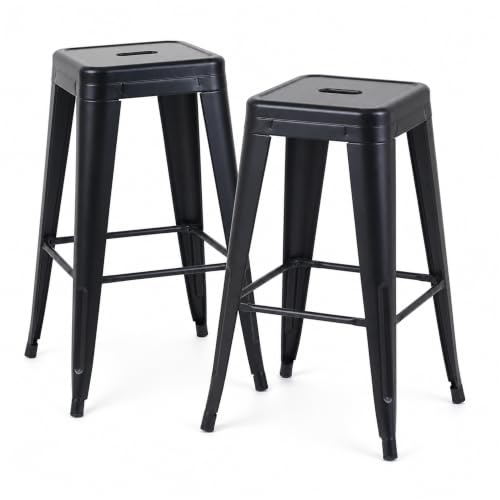
24 Inch Backless Metal Counter Stools, Stackable Set of 2, Matte Black | Carry handle, four-sided footrest and 330 lb capacity for kitchen islands, breakfast bars and counter-height tables
Check price on Amazon
AC Pacific 24” Metal Backless Barstool Set of 2 – Country Rustic Style, Lightweight & Sturdy Build, Easy Assembly – Matte Black Finish
Check price on Amazon
FDW | 24" Metal Bar Stools | Black | Set of 4 | 330lbs Load Capacity, Counter Height, Stackable, Stools with Footrest | Space-Saving Design | For Kitchen, Bar, Patio & Cafe
Check price on Amazon
24 Inch Metal Bar Stools Set of 2, Stackable for Indoor Outdoor, Red | No Assembly, Waterproof & Rustproof, 300LBS Capacity, Space-Saving Stackable, Backless, Easy to Move, Non-Slip Feet
Check price on Amazon
Homvinax 24 Inch Metal Bar Stools Set of 2, Backless Industrial Bar Stool with Wood Seat, Stackable Counter Height Bar Stools for Kitchen Island, Restaurant, Bar (Black)
Check price on AmazonThe 24-Inch Counter Stool Buying Framework
A 24-inch seat height stool pairs with a 36- to 39-inch counter surface. That leaves 9 to 13 inches of clearance between the seat and the counter overhang — the range ergonomists use for comfortable knee room and easy entry. Before comparing finishes or back styles, confirm these three measurements:
| Tier | Best For | What to Expect |
|---|---|---|
| Essential tier | Light daily use, rentals, secondary seating | Simple steel frame, basic powder coating, minimal bracing |
| Balanced tier | Family kitchens, breakfast bars, apartments | Reinforced welds, footrest ring, floor-protection caps, solid build |
| Top-tier | High-traffic households, open-concept kitchens | Heavy-duty steel gauge, premium finish, wider footprint, higher weight rating |
Measure your counter overhang first. A deep overhang (12 inches or more) gives more legroom, so a stool with a footrest ring and a slightly forward-set seat works well. A shallow overhang favors backless designs that tuck under cleanly. If your island is generous, a kitchen island table with storage and seating may solve both seating and organization in one piece.
Seat Height: Matching 24 Inches to Your Counter
The number on the box refers to seat height, not total height. A 24-inch stool usually stands 34 to 38 inches tall overall once you add the backrest. Pair it with a 36-inch counter and you get a 12-inch gap; pair it with a 39-inch bar-height counter and the gap drops to 15 inches, which starts to feel low. Counter-height surfaces live in that 36- to 39-inch band, so 24-inch stools are the correct default.
If your surface is taller than 40 inches, step up to a 28- to 30-inch seat. For genuinely tall surfaces, a 32-inch seat height bar stool is the right category. And if you're outfitting a full counter run, a 24-inch metal bar stool set of 4 keeps proportions consistent across the whole island.
Consider who sits where. Children and shorter adults benefit from a footrest positioned 7 to 9 inches below the seat. Without a footrest, legs dangle and pressure builds behind the thighs. A footrest ring is not a luxury feature — it's the difference between a stool people linger on and one they abandon.
Frame Construction: What Separates Durable from Fragile
Metal bar stools live or die by their welds. Inspect the joint where the legs meet the seat apron and where the footrest attaches. Continuous welds with no gaps or spatter indicate controlled manufacturing. Spot welds on a load-bearing joint are a warning sign in any tier.
Steel gauge matters too. Thicker tube walls resist denting and twisting, especially when someone leans back on two legs. High-grade steel with a solid build will feel dense and slightly cold to the touch; thin tubing feels light and hollow. A reinforced cross brace under the seat adds rigidity without much visual weight.
Base geometry drives stability. Splayed legs widen the footprint and resist tipping, which matters in households with kids. A footrest ring that ties all four legs together effectively becomes a structural brace. Backless designs are inherently more stable because there's no lever arm above the seat for someone to lean against.
If you prefer a softer seat surface, faux leather bar stools pair a padded top with a metal base and offer a middle path between upholstered comfort and industrial durability. For a different silhouette entirely, mid-century modern stools trade the industrial frame for tapered wood legs and a curved seat.
Finish and Coating: The Long-Term Durability Factor
Powder coating is the standard for metal stool frames, and for good reason. The finish is baked on, so it resists chipping better than liquid paint and holds color under UV exposure. A rust-proof finish matters most in humid climates and near dishwashers, where condensation collects on legs.
Matte black and gunmetal are the most forgiving finishes for everyday wear — scuffs blend in rather than stand out. Brushed finishes hide fingerprints better than polished chrome. If your kitchen leans warm and natural, a modern minimalist palette pairs well with matte black frames and clean lines.
Check the feet. Replaceable glides extend the life of both the stool and your floor. Rubber caps grip tile and concrete; felt glides protect hardwood and luxury vinyl. Worn caps expose metal edges, which is the most common cause of floor scratches from bar stools.
Weight Capacity and Daily Use
Weight ratings vary widely across tiers. Entry-level sets often list 250 pounds per stool; balanced and top-tier sets frequently reach 300 to 400 pounds. A higher rating usually signals thicker steel, more welding points, and a wider base — all of which translate to less flex under load.
Think about how the stool will be used. A counter that doubles as a homework station or a laptop perch sees constant shifting weight, which stresses joints differently than occasional dining. For high-traffic kitchens, prioritize heavy-duty construction over decorative details.
If your household includes kids, backless stools with a footrest ring are easier to climb and less likely to tip than tall backed models. A children's kitchen stool can handle the youngest family members while the adult set stays at the island.
Styles: Backless, Low-Back, and Industrial Frames
Backless stools tuck fully under the counter, which keeps sightlines open in small kitchens and open-concept layouts. They're also the most stable option and the easiest to store. The tradeoff is comfort during long meals — no back support means people shift or leave sooner.
Low-back metal stools add lumbar support without blocking the view across the island. They suit breakfast bars where people linger over coffee. Industrial frames with exposed rivets and cross bracing lean into the factory aesthetic and pair naturally with reclaimed wood counters.
Consider the visual weight of the frame. Thin tubular legs read light and airy; square stock and wide aprons read substantial. In a small kitchen, lighter frames keep the space from feeling crowded. In a large open plan, a more substantial frame holds its own against a big island.
Seat shape matters for comfort more than most buyers expect. Saddled or contoured seats distribute weight better than flat plates. If you're comparing metal against other materials, woven bar stools and green counter stools offer a softer visual texture with a different comfort profile.
Placement: Spacing, Overhang, and Traffic Flow
Allow 24 to 30 inches of width per stool at the counter. Tight spacing forces people to angle their bodies, which defeats the purpose of a comfortable seat. For a pair, plan on 48 to 60 inches of clear counter run.
Check the overhang depth. Stools need knee space, and a shallow overhang pushes people away from the counter. If your island lacks overhang, a counter-height counter stool with a compact footprint can help, or a tall table and chairs set may fit the room better than a fixed island.
Keep traffic lanes clear. A stool pulled out from the counter should not block a walkway or a cabinet door. In tight galley kitchens, backless designs that tuck completely under the counter are the practical choice.
Lighting affects how the metal finish reads. Matte and brushed finishes soften under warm light; polished chrome throws highlights and can feel busy in a small space. If you're planning a lighting update alongside the seating, a kitchen table chandelier can anchor the whole breakfast zone.
Care and Maintenance for Metal Stools
Wipe frames with a damp cloth and mild soap. Avoid abrasive pads, which dull powder coating and leave micro-scratches that collect grime. Dry immediately after cleaning to prevent water spots, especially near sinks and dishwashers.
Inspect hardware every few months. Bolts loosen with use, and a wobbly stool puts stress on welds. Tighten with the included Allen wrench and replace any stripped bolts rather than overtightening. For broader repair guidance, see our notes on chair repair.
Touch up chips promptly on painted or powder-coated frames. Small chips expose bare steel, which is where rust starts. A matching touch-up pen or enamel dab keeps the finish intact and extends the life of the set.
Frequently Asked Questions
What counter height does a 24-inch bar stool fit?
A 24-inch seat height stool is designed for standard counter-height surfaces of 36 to 39 inches. It leaves the recommended 9 to 13 inches of clearance between the seat top and the underside of the counter, which keeps knees comfortable and posture natural.
Are metal bar stools stable enough for daily family use?
Yes, when the frame is built from high-grade steel with reinforced welds and a wide base footprint. Look for splayed legs, a cross brace, or a footrest ring that ties the legs together. These features distribute weight and reduce wobble on tile and hardwood floors.
How do I protect floors from metal stool legs?
Use felt glides on smooth surfaces and rubber caps on tile or concrete. Replace worn caps promptly, because exposed metal edges are what scratch flooring. A footrest ring also reduces sliding, which limits scuffing over time.
Do 24-inch metal stools need assembly?
Most sets of two arrive partially assembled or flat-packed with bolts, washers, and an Allen wrench. Assembly typically takes 15 to 30 minutes per stool. Check that all hardware is included and re-tighten bolts after the first week of use.
Can metal bar stools be used outdoors?
Only models with a rust-proof finish and weather-resistant coating should live outdoors. Powder-coated steel handles covered porches well, but uncovered patios expose stools to moisture and UV. Bring indoor-rated stools inside after use.
Choosing Your Set of Two
Start with the measurement, then work outward. A 24-inch seat height is correct for the vast majority of kitchen counters, so the real decision is about frame quality, finish durability, and footprint. Prioritize reinforced welds, a footrest ring, and replaceable floor glides. Those three details do more for long-term satisfaction than any decorative flourish.
If your setup is part of a larger dining plan, explore kitchen and dining room tables to make sure the seating heights and surfaces work together. For a coordinated counter-height look, round dining table counter height options pair naturally with a set of two metal stools.
Use the product grid above to compare specific models, then confirm the seat height, weight rating, and finish on each listing before you commit. The right pair should disappear into daily life — steady, comfortable, and easy to maintain.