
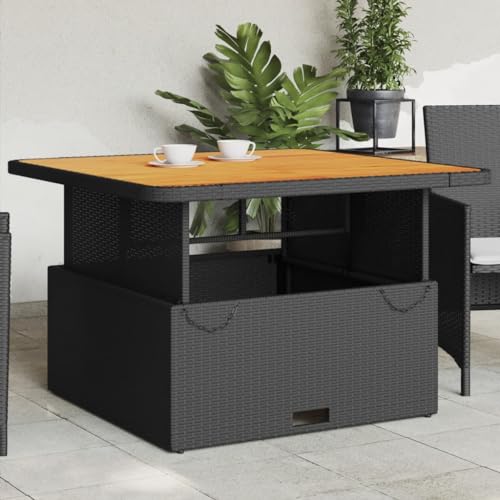


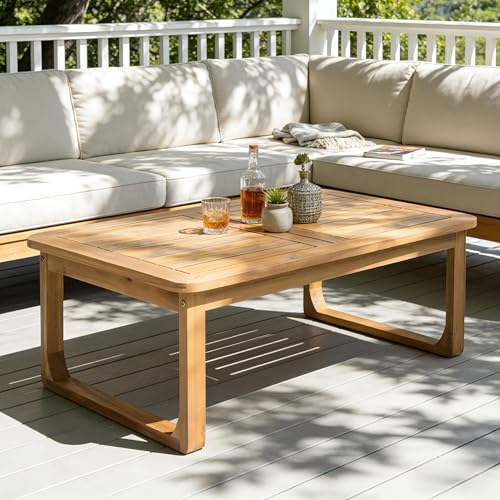
What Is an Outdoor Convertible Coffee Table?
An outdoor coffee table that raises to dining table height is a piece of patio furniture engineered to serve two distinct functions. In its lowered position, it works as a standard coffee table for lounging, holding drinks, snacks, or a book. When you need to sit down for a full meal, the table transforms into a proper dining surface at a comfortable eating height.
These tables are particularly valuable for compact outdoor spaces. A small balcony or a narrow patio often cannot accommodate both a lounge set and a separate dining set. A convertible table lets you keep the footprint minimal while still offering full dining capability when guests arrive. The concept has grown in popularity alongside the broader trend toward multi-functional outdoor furniture and flexible living spaces.
How the Conversion Mechanism Works
Not all convertible tables operate the same way. Understanding the mechanism helps you choose the right model for your space and your typical usage pattern.
Lifting Mechanism
The tabletop rises vertically on a scissor-lift or piston system. The surface stays level throughout the motion, and the table locks at dining height. This is the most common design for convertible coffee tables.
Flip-Top Design
The tabletop flips open or unfolds to double the surface area. Some models combine flipping with a height adjustment. These tend to offer the largest dining surface but require more clearance to operate.
Nested Extension
A smaller dining-height table slides out from beneath the coffee table, or the coffee table extends outward. This design is simple and robust, with fewer moving parts to maintain.
Each mechanism has trade-offs. Lifting tables are compact and intuitive but rely on a sturdy frame and locking hardware. Flip-top tables maximize surface area but need open space around them. Nested designs are mechanically simple and durable but often provide less legroom at dining height. When comparing models, pay attention to the locking mechanism — a table that shifts or wobbles during a meal defeats the purpose of the conversion.
Materials and Weather Resistance
Because the table lives outdoors, material quality determines how well it survives sun, rain, and temperature swings. The moving parts add another layer of complexity: hinges, pistons, and locking pins must resist corrosion just as much as the frame and tabletop.
Powder-coated aluminum is the most common frame material for mid-range and premium models. It is lightweight, rust-resistant, and holds up well to coastal humidity. High-grade stainless steel hardware is a must for the mechanism; lower-grade steel will corrode and seize over time. For the tabletop, weather-resistant teak or acacia offers a warm natural look, while UV-resistant HDPE and tempered glass provide low-maintenance alternatives.
Material tip: If your patio is exposed to salt air or heavy rain, prioritize powder-coated aluminum frames with stainless steel hardware and a slatted or perforated tabletop that drains quickly. Solid surfaces can pool water and accelerate wear around seams.
Key Features to Compare
When you are researching models online, the specification sheet tells most of the story. Focus on these attributes to separate well-engineered tables from entry-level compromises.
| Feature | Why It Matters | What to Look For |
|---|---|---|
| Height Range | Determines comfort for lounging versus dining | Low position around coffee table height; high position matching standard dining chairs |
| Locking Mechanism | Prevents wobble during meals | Positive lock at dining height, audible or tactile confirmation |
| Weight Capacity | Supports full place settings and serveware | Rated for the number of diners the surface is designed to seat |
| Frame Material | Resists rust and structural fatigue | Powder-coated aluminum or stainless steel |
| Tabletop Surface | Durability and drainage | Slatted, perforated, or sealed hardwood; avoid untreated porous surfaces |
| Operating Clearance | Room needed to convert the table | Check the swing or lift radius against your patio layout |
Matching the Table to Your Patio Layout
The conversion mechanism only works if you have space to operate it. Before choosing a model, measure your patio and map out the clearance needed for the table to rise or unfold. A lifting table needs vertical clearance and enough surrounding floor space for chairs at dining height. A flip-top table needs lateral clearance as the surface swings open.
Also consider seating. A convertible coffee table typically pairs with dining chairs that can be moved in when the table is raised. If your patio is tight, look for outdoor dining chairs that stack or fold, so they can be stored out of the way when the table is in lounge mode. For a more complete setup, browse outdoor dining furniture sets that include convertible tables and coordinated seating.
If your space leans toward bar-height entertaining rather than low dining, a bar height outdoor table may be a better fit than a convertible coffee table. Similarly, a bistro table and chairs set suits very small balconies where even a convertible table would feel cramped. The convertible option shines when you want both a lounge surface and a full dining surface in one footprint.
Who Should Choose a Convertible Outdoor Table?
This category of furniture is not for every patio. It is most useful in specific scenarios:
- Small patios and balconies where a dedicated dining table would crowd the space.
- Multi-purpose outdoor rooms that shift from morning coffee to evening meals.
- Renters who want flexible furniture that adapts to different outdoor layouts.
- Hosts who entertain occasionally and want dining capability without a permanent dining set.
Conversely, if you dine outdoors daily and have the space, a dedicated outdoor dining table or a full outdoor dining set will generally be more comfortable and more stable for frequent use. A convertible table is a compromise that pays off in space savings, not in dedicated dining ergonomics.
Maintenance and Long-Term Durability
Moving parts need attention. Lubricate hinges and locking pins according to the manufacturer's schedule, and rinse the mechanism after exposure to salt or pool water. Check that fasteners remain tight, especially after the table has been in service through a full season of temperature changes.
For the surface, follow the care guidance for the specific material. Wood tabletops benefit from periodic sealing; metal and glass surfaces need only routine cleaning. When the off-season arrives, a fitted cover protects the mechanism from debris and standing water. Our guide to outdoor furniture covers explains how to choose a cover that fits a convertible table without trapping moisture.
Frequently Asked Questions
How does an outdoor coffee table convert to a dining table?
Most models use a lifting mechanism, flip-top design, or nested extension. A lifting table raises the surface to dining height and locks in place. A flip-top table unfolds to create a larger surface. A nested design slides a dining-height table out from beneath the coffee table. Each mechanism relies on sturdy hardware and a positive lock to stay stable during meals.
What materials are best for a convertible outdoor table?
Powder-coated aluminum frames with stainless steel hardware offer the best balance of weather resistance and durability for the moving parts. Teak and acacia are strong choices for wooden tabletops, while UV-resistant HDPE and tempered glass provide low-maintenance alternatives. Avoid untreated steel and porous surfaces that trap moisture.
Can a convertible coffee table support a full meal for four people?
Most mid-range and premium models are rated for full dining loads, provided the table is locked at dining height. Entry-level models may have lower weight capacities. Check the manufacturer's weight rating and confirm that the locking mechanism is fully engaged before serving a meal.
Do I need special chairs for a convertible outdoor table?
You need chairs whose seat height matches the table's dining position. Standard outdoor dining chairs work with most lifting tables. If your table converts to a bar-height position, you will need outdoor bar stools or bar stools with backs instead. Measure the dining height of the table before choosing seating.
How do I protect the conversion mechanism in winter?
Clean and dry the mechanism before storage, apply lubricant to hinges and locking pins as recommended, and cover the table with a breathable, fitted cover. If the table can be stored indoors, doing so extends the life of the moving parts. Avoid leaving standing water on the tabletop or around the mechanism.