
Outdoor Dining Table Cushions: Complete Buying Guide
Turn a hard patio chair into a comfortable seat you look forward to. This research-based guide explains materials, fills, fits, and care so you can choose outdoor dining table cushions with confidence.
EXPLORE TOP PICKSWhy this guide matters: Outdoor dining cushions are one of the most frequently replaced patio accessories, yet the differences between entry-level, mid-range, and premium tiers are rarely explained clearly. If you are researching before buying, the sections below cover the exact factors that separate a cushion that lasts several seasons from one that flattens or mildews within a year.
Why Outdoor Dining Cushions Deserve Careful Selection
A dining chair designed for outdoor use is usually built from metal, resin, teak, or wicker. Those materials are durable, but they are rarely comfortable for a long meal. Outdoor dining table cushions bridge that gap. They add padding where your body contacts the seat, reduce heat transfer from sun-warmed metal, and improve posture by raising the seating surface slightly.
Cushions also protect the chair itself. A fabric layer absorbs friction from clothing and reduces wear on painted or powder-coated frames. On wooden chairs, cushions help distribute weight more evenly, which can extend the life of slats and joints. Beyond function, cushions are the easiest way to change the look of a patio dining area without replacing furniture — a new color or pattern can refresh an entire set.
The catch is that outdoor conditions are unforgiving. Sun exposure, humidity, rain, and temperature swings all attack fabric and fill. That is why the buying decision should focus less on appearance alone and more on construction, material, and fit. The next sections break those down one by one.
Fabric and Fill Materials Explained
Cover Fabrics
The outer fabric is the first line of defense. The most common outdoor-rated fabrics fall into three families:
- Solution-dyed acrylic — the most UV-resistant option. Color is added to the fiber before it is woven, so it resists fading far better than surface-dyed fabrics. It is typically found in mid-range and premium cushions.
- Olefin (polypropylene) — lightweight, moisture-resistant, and mold-resistant. It dries quickly and is common in entry-level and mid-tier cushions. It is less soft than acrylic but performs well in humid climates.
- Polyester blends — the most common entry-level fabric. Basic polyester fades faster in direct sun and can feel stiffer, though treated versions offer decent water resistance for a season or two.
Look for tight weaves and reinforced stitching at seams, since these are the first points of failure. A hidden zipper with a fabric flap is a sign of better construction than a visible coil zipper, which traps water and debris.
Fill Materials
- High-density foam — the standard for dining cushions. It holds shape well and provides firm support. Standard foam can absorb water if the cover leaks, so it is best paired with a water-resistant shell.
- Quick-dry foam — an open-cell foam engineered to let water pass through and air circulate. This is the best fill for rainy or coastal climates and is typical of mid-range and premium tiers.
- Polyester fiber wrap — often added around a foam core to soften the surface. All-fiber cushions are plush but compress over time and are better suited to occasional-use seating.
If you want a broader comparison of replacement options and how they differ from full chair sets, our guide to outdoor dining replacement cushions covers sizing and compatibility in more detail.
Getting the Fit and Thickness Right
Fit is the single most overlooked factor. A cushion that is too large bunches at the corners and slides forward when you sit; one that is too small leaves hard edges exposed and shifts constantly. Measure the seat width and depth at the widest point, then compare against the cushion's listed dimensions — not the chair's overall width. For chairs with curved backs, a contoured or tufted cushion with a rear tab or tie is more stable than a flat square pad.
Thickness affects both comfort and ergonomics. As a general rule:
- 1 to 2 inches — best for slatted or mesh chairs where you want light padding without changing seat height.
- 2 to 3 inches — the sweet spot for most dining chairs. Comfortable for long meals and still leaves clearance under the table.
- 3 to 4 inches — plush and lounge-like, but check that your thighs still fit under the table edge. These suit taller tables or counter-height seating better.
If your chairs are high-top or bar-height, cushion fit works differently. See our notes on outdoor counter height bar stools for the seat-height math that applies to raised seating.
Matching Cushions to Your Climate and Storage Habits
The right cushion for a dry, sunny region is not necessarily the right cushion for a humid coastal patio. In high-humidity climates, prioritize quick-dry foam and olefin or acrylic covers, and avoid cushions with cotton blends or non-vented foam. In hot, sun-intensive areas, solution-dyed acrylic is the strongest defense against fading.
Storage habits matter just as much. If you plan to leave cushions outside year-round, choose a premium tier with mold-resistant fill and UV-stable fabric, and pair it with a ventilated storage box or cover. If you bring cushions indoors after each use, a mid-range cushion with a water-repellent finish will serve well for many seasons. Cushions that stay out in the rain without drainage will degrade regardless of tier, so plan storage before you buy.
For a wider view of protecting patio furniture between seasons, see our guide to outdoor furniture maintenance.
Cushion Tiers at a Glance
The table below uses a consistent quality-tier framework instead of numeric figures. Use it to align expectations with the construction you are considering.
| Tier | Typical Fabric | Typical Fill | Best For |
|---|---|---|---|
| Entry-level | Basic polyester, light water-repellent finish | Standard foam or fiber fill | Covered patios, occasional use, seasonal refresh |
| Mid-range | Olefin or treated acrylic blend | Foam with fiber wrap, some quick-dry options | Everyday family dining, mixed sun and shade |
| Premium | Solution-dyed acrylic, reinforced seams | Quick-dry foam with soft fiber wrap | Full sun, humid climates, daily use |
| Luxury / commercial-grade | High-performance acrylic, stain and mildew resistant | Engineered quick-dry core, shape-retaining | Hospitality settings, exposed patios, long-term investment |
Care and Cleaning Basics
Routine care extends cushion life more than any single material choice. Brush off crumbs and leaves weekly, and spot clean spills promptly with mild soap and water. Rinse thoroughly so soap residue does not attract dirt, then dry the cushion standing on its edge in a shaded, ventilated spot. Avoid direct sun while drying, since prolonged heat can warp foam cores.
At the start of each season, inspect seams and zippers for loose threads, and check the fill for soft spots or compression. Rotate cushions between chairs periodically so wear is distributed evenly. When storing, make sure cushions are completely dry before stacking them; trapped moisture is the leading cause of mildew. Store in a breathable bag or ventilated box rather than a sealed plastic bin.
For more on protecting chairs and tables alongside the cushions, our outdoor furniture covers guide explains how covers interact with cushion storage.
Coordinating Cushions With the Rest of Your Patio
Cushions are the softest visual element in an outdoor dining area, which makes them a strong styling tool. Neutral tones such as sand, charcoal, and sage work across most furniture finishes and hide light soiling better than pure white. A single accent color on piping or ties adds definition without committing the whole cushion to a bold hue.
Consider the surrounding furniture before choosing a pattern. Wicker and rattan already carry visual texture, so solid cushions keep the space calm; sleek metal frames can carry a stripe or geometric print without feeling busy. If you are still assembling the seating, our overview of outdoor dining chairs covers frame types and how cushion shape interacts with each.
For a broader design perspective that includes lighting, tableware, and flow, see our outdoor entertaining guide.
Recommended Outdoor Dining Table Cushions & Patio Seating
⚠️ AFFILIATE DISCLOSURE: This website contains affiliate links. As an affiliate Associate, we earn from qualifying purchases. If you make a purchase through these links, we may receive a small commission at no additional cost to you. Read our full affiliate policy.

Basic Beyond Outdoor Chair Cushions Set of 6, Square Corner Outdoor Cushions for Patio Furniture, Water Resistant Patio Chair Cushions with 2 Ties, 18.5x16x3, Navy
Check price on Amazon
Summsun Outdoor Dining Chair Cushions 4-Pack, 20 x 20 Inch, Cream | High Back, High-Resilience Foam, Non-Slip Bottom, Water Resistant, Removable Cover, Tie Straps, Fit for Adirondack, Rocker
Check price on Amazon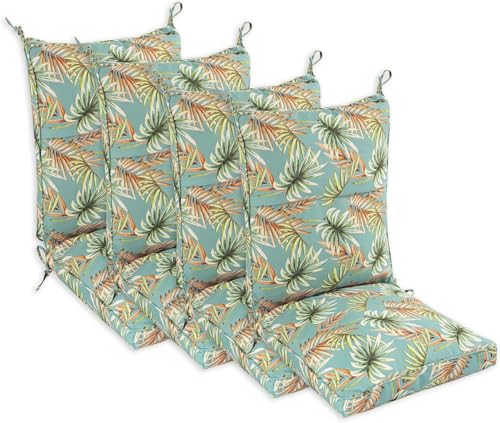
Makimoo Set of 4 Outdoor Dining Chair Cushions, Comfort Patio Seating Cushions, 44 x21x4.5 inch, Single Welt and Zipper (Verdant Leaf Canopy)
Check price on Amazon
Summsun Outdoor Chair Cushions Set of 6: Waterproof & Fade Resistant Seat Cushion for Patio Furniture - 19 x 19 x 2 Inch Chair Pads with Ties and Hidden Zipper - Patio Chair Cushion Replacement, Navy
Check price on Amazon
Love's cabin Memory Foam Chair Cushions Set of 4, 15.5 Inch, Grey | 15.5"x15.5"x3.5", Indoor & Outdoor Chair Seat Pads with Non-slip Bottom and Ties, for Dining, Kitchen, Office, Patio
Check price on Amazon
AAAAAcessories D-Shaped Chair Cushions, 2" Thick Dining Chair Pads with Ties and Removable, Machine-Washable Cover, 17" x 16", Set of 4, Oatmeal Beige
Check price on AmazonCommon Mistakes to Avoid
- Buying indoor cushions for outdoor chairs. Indoor fills absorb moisture and degrade within weeks in patio conditions.
- Ignoring seat depth. A cushion that overhangs the front edge tips forward when you sit and wears out faster at that edge.
- Skipping the tie-downs. On smooth metal or resin chairs, ties or grip strips are the difference between a stable cushion and one that slides every time you stand.
- Storing damp cushions. Even premium fills will mildew if packed away wet. Dry fully first, every time.
- Choosing thickness without checking table clearance. A plush cushion can make a standard-height table feel cramped for taller diners.
Frequently Asked Questions
What is the best fill material for outdoor dining table cushions?
High-density foam wrapped in polyester fiber is the most common fill for outdoor cushions. Quick-dry foam is the best choice for humid or rainy climates because it allows water to drain and air to circulate, reducing the risk of mildew. Mid-range and premium cushions often combine foam with a fiber wrap for a softer feel while maintaining support.
How thick should outdoor dining chair cushions be?
For dining chairs, a cushion thickness of 2 to 3 inches is usually ideal. Thinner cushions (1 to 2 inches) suit metal or slatted chairs where you mainly want slight padding. Thicker cushions (3 to 4 inches) add significant comfort but can change the seat height, so check that your knees still clear the table comfortably.
Are outdoor dining table cushions waterproof?
Most outdoor cushions are water-resistant rather than fully waterproof. The fabric cover often has a water-repellent finish that causes light rain to bead up, but seams and zippers can let water through during prolonged exposure. Always bring cushions indoors or store them in a dry box during heavy rain and off-season months.
How do I clean outdoor dining table cushions?
Brush off loose debris, then spot clean with a mild soap and water solution using a soft brush. Rinse thoroughly and allow the cushion to dry standing on its edge in a shaded, ventilated area. Avoid harsh bleach or abrasive cleaners, which can break down the fabric's protective finish. Check the manufacturer's care label before using any cleaning product.
Can I use indoor cushions on outdoor dining chairs?
It is not recommended. Indoor cushions typically use fabrics and fills that absorb moisture and degrade quickly when exposed to sun, rain, and temperature swings. Outdoor-specific cushions use solution-dyed acrylic or olefin covers with mold-resistant fills, which hold up far better in patio conditions.
Final Thoughts
Outdoor dining table cushions are a small purchase that changes how often you actually use your patio. The right pair — matching your climate, chair dimensions, and storage habits — can last many seasons and make every meal outside more comfortable. Focus on quick-dry fill, solution-dyed acrylic or olefin covers, and an accurate fit, and you will avoid the most common pitfalls.
If you are still refining the wider patio setup, our overview of outdoor dining furniture and outdoor patio dining sets can help you align cushions with the rest of the arrangement.