
Plastic Picnic Bench: The Complete Buying Guide
Everything you need to know about choosing a durable, weather-resistant plastic picnic bench for your outdoor space, garden, or events.
EXPLORE TOP PICKSWhy a Plastic Picnic Bench? A plastic picnic bench is one of the most practical outdoor seating investments you can make. Unlike wood, plastic benches resist moisture, rot, and insect damage, making them ideal for patios, gardens, campsites, and event venues. This guide walks you through material grades, size options, load capacity, and maintenance so you can choose with confidence.
What Is a Plastic Picnic Bench?
A plastic picnic bench is an outdoor seating unit molded from high-density polyethylene (HDPE) or polypropylene (PP). These benches are engineered to withstand sun exposure, rain, and temperature swings without warping, splintering, or rusting. Most models are designed as bench-only units that pair with a separate table, while some are integrated into full picnic table sets.
Unlike traditional wooden benches, plastic models are lightweight enough for one person to move, yet reinforced with internal ribs or steel frames to support multiple adults. They are the go-to choice for families, campgrounds, schools, and event planners who need reliable outdoor seating that requires minimal upkeep.
If you are furnishing a complete outdoor dining area, you may also want to explore a plastic table and chairs set or a portable picnic bench for maximum flexibility.
Key Features to Evaluate Before You Buy
Not all plastic benches are built the same. The quality of the resin, the reinforcement structure, and the UV stabilization process determine how long the bench will last and how comfortable it will be. Here are the features that matter most:
1. Material Grade and UV Resistance
Entry-level benches often use thin polypropylene that becomes brittle after a few seasons of sun exposure. Mid-range and premium models use HDPE with UV inhibitors blended into the resin, which prevents fading and cracking. Look for benches described as "UV-stabilized" or "all-weather resin" — these are designed for year-round outdoor use.
2. Load Capacity and Reinforcement
A standard plastic picnic bench should support at least two adults comfortably. Mid-tier models typically include internal ribbing or a powder-coated steel frame under the seat. High-end and commercial-grade benches may support three or more adults per bench and are tested to higher load ratings. Always check the stated weight capacity if the bench will be used by children or in public settings.
3. Seat Height and Ergonomics
Most picnic benches sit at a standard seat height of 17 to 18 inches, which pairs with a standard 28 to 30-inch table. Some models offer contoured seats or slight back support for longer gatherings. If you need a bench that matches a higher table, consider a high-top outdoor table setup with matching stools instead.
4. Portability and Storage
Plastic benches range from lightweight one-piece units to heavier folding models. If you plan to store the bench during winter or transport it to events, a folding or stackable design is worth prioritizing. Some benches feature molded handles for easier carrying.
5. Surface Texture and Drainage
Slatted or perforated seat surfaces allow rainwater to drain quickly, preventing puddles and slip hazards. Textured surfaces also improve grip. Avoid benches with deep recessed areas where water can collect and stagnate.
- Tip: Check whether the bench is sold individually or as part of a set. Bench-only units are ideal if you already own a picnic table.
- Tip: Look for benches with rounded edges if young children will use them — sharp molded corners are a common complaint.
- Tip: If you need seating for a large group, consider pairing a plastic bench with an extendable outdoor dining table with umbrella hole for a complete setup.
Size and Configuration Guide
Plastic picnic benches come in several standard configurations. Choosing the right one depends on how many people you need to seat and how much space you have.
| Configuration | Typical Seating | Best For | Tier |
|---|---|---|---|
| Single bench (no back) | 2 adults | Pairing with an existing picnic table | Essential tier |
| Bench with backrest | 2–3 adults | Comfort-focused patio seating | Mid-tier |
| Folding bench | 2 adults | Camping, events, temporary setups | Starter tier |
| Heavy-duty commercial bench | 3+ adults | Parks, schools, public spaces | Commercial-grade |
| Bench-and-table combo | 4–8 people total | Full outdoor dining setups | Balanced tier |
For small patios, a single bench without a backrest is the most space-efficient choice. For family gardens, a bench with back support offers better comfort during long meals. If you are setting up a full outdoor dining area, you might also consider an outdoor dining 7-piece set or an outdoor dining 9-piece set that includes matching seating.
Materials and Durability: What to Look For
The longevity of a plastic picnic bench comes down to the resin quality and how the bench is reinforced. Here is a breakdown of what different market tiers typically offer:
Entry-Level Benches
These benches use standard polypropylene or thin HDPE. They are suitable for occasional use and light loads, but may fade or develop hairline cracks after several seasons of direct sun. They are a reasonable choice for temporary events or seasonal use.
Mid-Range Benches
Mid-range models use UV-stabilized HDPE with thicker walls and internal reinforcement. These benches typically hold their color longer, resist warping, and offer a more solid feel. They are the sweet spot for most homeowners who want a bench that lasts multiple seasons with minimal care.
Premium and Commercial-Grade Benches
High-end and commercial-grade benches often feature a steel or aluminum sub-frame encased in thick HDPE. These are engineered for high-traffic environments and heavy daily use. They are the right choice for parks, schools, restaurants, and rental properties where durability is the top priority.
- Weather resistance: HDPE outperforms polypropylene in UV resistance and impact strength.
- Color retention: Look for "fade-resistant" or "color-through" resin, where the pigment runs through the material rather than being painted on.
- Hardware: Stainless steel or zinc-plated bolts resist rust better than untreated steel.
For a broader look at outdoor seating options, you can also explore outdoor dining chairs with cushions or a patio table and chairs set to complement your bench.
Recommended Plastic Picnic Benches
⚠️ AFFILIATE DISCLOSURE: This website contains affiliate links. As an affiliate Associate, we earn from qualifying purchases. If you make a purchase through these links, we may receive a small commission at no additional cost to you. Read our full affiliate policy.

LIFETIME 6‑Foot Folding Picnic Table, Outdoor Portable Bench Seating for 8, UV‑Protected HDPE, Powder‑Coated Steel Frame, Stain‑Resistant, Folds Flat for Storage
Check price on Amazon
GIANTEX Picnic Table Bench Set Outdoor Camping All Weather Metal Base Wood-Like Texture Backyard Poolside Dining Party Garden Patio Lawn Deck Furniture Large Camping Picnic Tables for Adult (Gray)
Check price on Amazon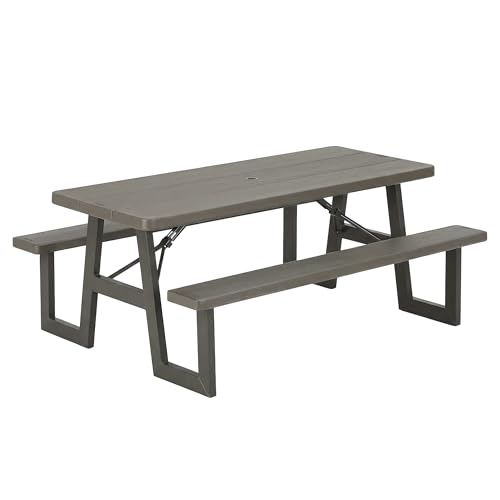
LIFETIME 6-Foot Folding Picnic Table with Benches, Seats 8, Heavy-Duty HDPE Tabletop, Steel Frame, Weather & UV Resistant Outdoor Picnic Table with Umbrella Hole
Check price on Amazon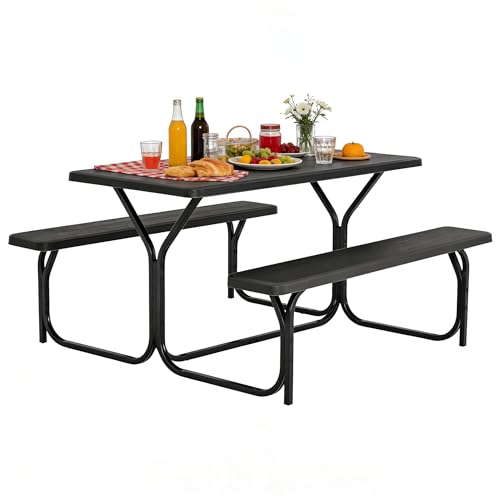
COSTWAY Outdoor Picnic Table, HDPE Plastic Picnic Table Bench Set | Weather Resistant Tabletop & Wood Texture, Ideal for Patio, Backyard (59"D x 54"W x 28.5"H,Black)
Check price on Amazon
VEVOR Plastic Folding Bench, 6ft Portable Smooth High Density Bench 2 Pack | for Garden Playtime, Camping, Outdoor Event, Picnic Polyethylene Waterproof Table with Handle, No Assembly Required, White
Check price on Amazon
VSOAEIL 6 Foot Folding Bench 2 Pack, Foldable Plastic Bench Indoor Outdoor | 6 Feet Portable Bench Seating with Handle and HDPE Tabletop - Party, Dining, Picnic, Camping, Sports, Temporary Events, White
Check price on Amazon
6FT Folding Table with 2 Benches for Picnic, Party, Camping, School, Black | 6 Foot Picnic Table with 2 Chairs, 3pcs Plastic Camping Tables and Foldable Bench Sets Indoor & Outdoor for Wedding, Meeting
Check price on AmazonMaintenance and Care Tips
One of the biggest advantages of a plastic picnic bench is how little maintenance it requires. Unlike wood, plastic does not need annual sealing, staining, or painting. A few simple habits will keep your bench looking good and lasting longer:
- Clean regularly: Wipe down the bench with mild soap and water. Avoid abrasive cleaners or stiff brushes that can scratch the surface.
- Rinse after rain: Standing water and debris can leave stains. A quick rinse with a garden hose keeps the surface clear.
- Store during extreme weather: While plastic benches are weather-resistant, extended exposure to extreme heat or freezing conditions can shorten their lifespan. Store folding models indoors during off-season if possible.
- Check hardware: If your bench has metal fasteners, tighten them periodically and check for rust.
- Avoid dragging: Lift the bench when moving it to prevent scratches on the legs and patio surface.
If you are outfitting a full outdoor dining area, consider pairing your bench with a high-top outdoor table with umbrella or an outdoor concrete dining table for a cohesive look.
Frequently Asked Questions
How much weight can a plastic picnic bench hold?
Load capacity varies by tier. Entry-level benches typically support around 300 pounds per bench, while mid-range and commercial-grade models often support 500 pounds or more. Always check the manufacturer's stated capacity, especially if the bench will be used by multiple adults or in public settings.
Can a plastic picnic bench stay outside all year?
Yes, most UV-stabilized plastic benches are designed for year-round outdoor use. However, extreme temperature swings and prolonged direct sun can shorten the lifespan of lower-tier models. Storing the bench during the harshest months is a smart way to extend its life.
Are plastic picnic benches comfortable?
Comfort depends on the design. Benches with contoured seats or backrests offer better support for longer gatherings. Flat, backless benches are more basic but work well for short meals and casual use. Adding a seat cushion can improve comfort significantly.
How do I clean a plastic picnic bench?
Use mild dish soap, warm water, and a soft sponge or cloth. Avoid abrasive cleaners, bleach, and stiff brushes that can dull the surface. For stubborn stains, a paste of baking soda and water works well without scratching.
Can I paint a plastic picnic bench?
Yes, but it requires proper preparation. Use a plastic-specific primer and paint designed for outdoor use. Painted surfaces may chip over time, so choose a bench with color-through resin if color longevity is important to you.
Is a plastic picnic bench better than wood?
It depends on your priorities. Plastic benches are lighter, require less maintenance, and resist moisture and insects. Wood benches offer a more traditional look and can be sanded and refinished. For low-maintenance outdoor seating, plastic is usually the more practical choice.
Final Thoughts
A plastic picnic bench is a smart, low-maintenance seating solution for patios, gardens, campsites, and events. By focusing on UV-stabilized HDPE construction, adequate load capacity, and a configuration that fits your space, you can choose a bench that serves your household for many seasons.
Before you decide, measure your outdoor space, confirm the seat height matches your table, and consider whether you need a folding or fixed model. If you are building a complete outdoor dining setup, explore our related guides on plastic table and chairs, portable picnic benches, and outdoor dining sets to complete your space.