
Plexiglass Table Tops: The Ultimate Guide to Clarity, Durability & Protection
Discover the perfect balance between protection and elegance. Plexiglass (acrylic) table tops offer the clarity of glass with superior impact resistance, making them an ideal choice for dining tables, desks, and display surfaces. This guide covers everything you need to know: material benefits, thickness options, custom sizing, care tips, and price expectations.
Why Choose a Plexiglass Table Top?
Plexiglass, also known as acrylic glass, is a lightweight, shatter-resistant alternative to traditional glass. It offers optical clarity comparable to glass but is up to 17 times stronger and weighs half as much. This makes it an excellent choice for families with children, high-traffic dining areas, or outdoor settings where safety and durability are paramount.
Unlike tempered glass, plexiglass will not shatter into sharp shards. Instead, it cracks or chips, reducing the risk of injury. It's also easier to drill and cut for custom fittings, and it provides natural UV protection to help prevent your table's finish from fading. For those seeking a more rigid option, tempered glass remains a popular alternative, but plexiglass offers unique practical benefits.
💰 Estimated Price Range: A standard 48" x 36" x 1/4" clear plexiglass table top typically costs between $150–$350, depending on thickness, edge finish, and custom cutouts. Thicker sheets (1/2") or tinted/colored options can range from $300–$600.
Key Features & Benefits
🔹 High Clarity
Over 92% light transmission, nearly indistinguishable from glass.
🔹 Impact Resistant
Up to 17x stronger than glass; ideal for active households.
🔹 UV Protection
Blocks harmful UV rays to protect your table's finish.
🔹 Customizable
Easily cut, drilled, and shaped for any table size or design.
🔹 Lightweight
Half the weight of glass, easy to move and clean.
🔹 Weather Resistant
Withstands outdoor elements better than glass.
Plexiglass vs. Glass: Pros & Cons
✅ Advantages of Plexiglass
- Shatter-proof and child-safe
- Lighter and easier to handle
- Better insulation (feels warmer to touch)
- Easier to machine and customize
- UV resistant (protects table finish)
⚠️ Disadvantages of Plexiglass
- Scratches more easily than glass
- Can warp under extreme heat
- Static attraction to dust
- Higher cost for very thick sheets
If you prioritize absolute scratch resistance and heat tolerance, tempered glass may be a better fit. However, for most dining and family settings, plexiglass offers a superior balance of safety and practicality.
How to Choose the Perfect Plexiglass Table Top
Thickness: For dining tables, 1/4" (6mm) is standard for moderate use. For heavier use or larger spans (over 48"), consider 3/8" (10mm) or 1/2" (12mm) to prevent bowing. Edge Finish: Polished edges offer a sleek, glass-like appearance; beveled edges add a premium touch; and straight-cut edges are more economical. Tint & Color: Clear is most common, but you can opt for bronze, gray, or even frosted finishes for added privacy or style.
Custom Sizing: Many retailers offer custom cutting services. Measure your table's exact length, width, and desired overhang (usually 1-2 inches on each side). For round or oval tables, provide the diameter. You can also request cutouts for umbrella bases or cord management.
When considering custom glass table top options, plexiglass provides a more forgiving and safer alternative, especially for homes with children or pets.
Care & Maintenance Tips
Cleaning plexiglass is straightforward but requires gentle care to avoid scratches. Use a soft microfiber cloth and a mild soap or a dedicated acrylic cleaner. Avoid ammonia-based cleaners, paper towels, or abrasive pads. For stubborn stains, a mixture of vinegar and water works well. To prevent static dust attraction, use an anti-static spray designed for acrylic surfaces.
If minor scratches occur, they can often be buffed out using a plastic polish or a fine abrasive compound. For deeper scratches, professional restoration is possible. Protecting your investment with proper care ensures your table top remains crystal clear for years. For additional surface protection, consider a waterproof cover when the table is not in use.
Installation & Assembly Guide
Installing a plexiglass table top is generally a DIY-friendly project. For a simple overlay, place the cut sheet directly onto your existing table surface. For a more secure fit, you can use clear silicone adhesive dots or double-sided tape to hold it in place. If you're replacing a glass top, ensure the new plexiglass matches the exact dimensions.
For tables with adjustable table legs, confirm the weight capacity—plexiglass is lighter than glass, so it's rarely an issue. Always handle the sheet with clean hands or gloves to avoid fingerprints, and when drilling holes for hardware, use a drill bit designed for acrylic and go slowly to prevent cracking.
Beyond Dining: Other Uses for Plexiglass Tops
While dining tables are a primary use, plexiglass tops are also popular for desks, coffee tables, display cases, and outdoor patio furniture. They can protect valuable wood surfaces, antique tables, or delicate finishes. In offices, they provide a sleek, modern look while being durable enough for daily use. For smaller spaces, a plexiglass top on a table for small spaces can make the room feel more open and airy.
They are also an excellent choice for glass tops for tables in high-traffic commercial settings like restaurants and cafes, offering the same aesthetic with greater durability and safety compliance.
Frequently Asked Questions
Q: Can plexiglass be used outdoors?
A: Yes, but choose a UV-resistant grade to prevent yellowing over time. Most modern plexiglass includes UV inhibitors.
Q: How do I remove scratches from plexiglass?
A: Use a fine abrasive polish and a microfiber cloth. For deeper scratches, professional kits are available.
Q: Is plexiglass heat resistant?
A: It can withstand temperatures up to 160°F (70°C). Use trivets for hot pots and pans to avoid warping.
Q: Can I cut plexiglass myself?
A: Yes, with a fine-toothed saw or a scoring tool. For curved cuts, a jigsaw with a fine blade works best.
Q: Does plexiglass yellow over time?
A: High-quality plexiglass with UV protection will remain clear for many years. Avoid prolonged direct sunlight without UV coating.
Top-Rated Plexiglass Table Tops & Protectors
⚠️ AFFILIATE DISCLOSURE: This website contains affiliate links. As an affiliate Associate, we earn from qualifying purchases. If you make a purchase through these links, we may receive a small commission at no additional cost to you. Read our full affiliate policy.

KINLINK 24x36 Clear PET Plexiglass Sheets 1/8 inch Thick 2 Pack
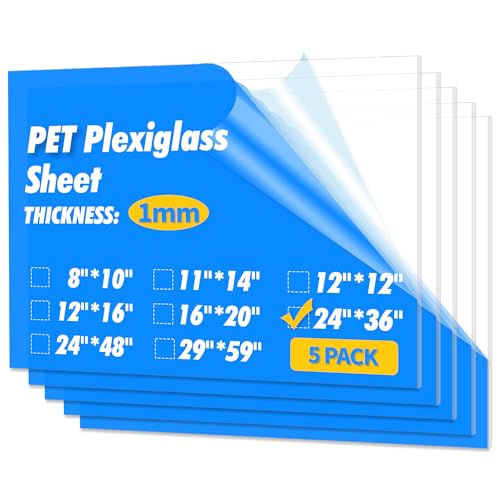
Art3d Plexiglass Sheets, Clear & Flexible, 5-Pack of 24 x 36"

KINLINK 24x48 Clear PET Plexiglass Sheets 1/8 inch Thick 2 Pack

Acrylic Sheet 48" x 96" Clear Plexiglass Sheet 1/4 Inch Thick (6mm) with Clear Protective Film

1 Pieces 1/4" Round Plexiglass Sheet, 12 Inch Diameter Clear Acrylic Circle, Round Cake Disk Acrylic Sheet, Plexiglass Table Top, Acrylic Backdrop

Fab Glass and Mirror Plexiglass Cut to Size – Custom Cut Clear Acrylic Sheet 1/2" Thick | Flat Edges, Protective Film | Glass Shelves, Picture Frames, Table Tops, DIY Signs

Clear Acrylic Plexiglass Lucite Circle Round Disc Every Thickness and Diameter Available
Ready to protect and elevate your dining space?
Browse our curated selection of plexiglass table tops above. With the right thickness, size, and care, your table will stay beautiful for years to come.