
Small Sideboard Buying Guide: Storage & Style for Compact Dining
Learn how to choose a compact sideboard that fits narrow dining rooms, apartment kitchens, and open-plan spaces — without sacrificing storage, serving space, or visual style.
Explore PicksWhat Counts as a Small Sideboard?
A small sideboard is a compact storage cabinet designed for dining rooms, kitchens, and entryways where floor area is limited. While full-size buffets often exceed 60 inches in width, compact models generally range from roughly 30 to 50 inches wide, with depths of 14 to 18 inches and heights of 28 to 36 inches. This footprint lets the unit sit flush against a wall without crowding the dining table or blocking a doorway.
The category overlaps with several related pieces: narrow sideboards prioritize shallow depth for corridors, small buffets emphasize a wider serving top, and console-style units favor a slim profile for entryways. If you are also refreshing the surrounding furniture, browse the broader wood sideboard category to compare finishes and construction styles that pair well with compact dining sets.
Key Dimensions to Check Before Buying
Measurements matter more than any styling detail. Before ordering, confirm the unit's width, depth, and height against your room's available wall space, then add clearance for doors, drawers, and foot traffic.
| Dimension | Typical Compact Range | What to Consider |
|---|---|---|
| Width | 30–50 inches | Leave at least 12 inches of breathing room on each side if the unit sits near a doorway or window. |
| Depth | 14–18 inches | Keep 36 inches of walking clearance in front; choose 14–16 inches for tight corridors. |
| Height | 28–36 inches | Match the top height to nearby windowsills and chair backs for a cohesive sightline. |
| Interior shelf spacing | Adjustable, 8–14 inches | Adjustable shelves accommodate tall pitchers, stacked plates, and serving platters. |
Materials: Wood, Engineered Wood, and Mixed Media
Material choice affects durability, weight, and how the piece ages in a dining environment. The most common options fall into three families.
Solid Wood
Solid wood construction — oak, acacia, mango, and pine are common — offers long-term durability and can be sanded and refinished. Look for reinforced corner joints and kiln-dried lumber. For eco-conscious buyers, sustainable wood sourcing is worth prioritizing.
Engineered Wood
MDF and particleboard cores with veneer or laminate finishes are lighter and more consistent in flatness. High-grade engineered wood with sealed edges handles everyday dining use well, especially when the top surface is moisture-resistant.
Mixed Media
Wood bodies paired with metal legs, glass doors, or rattan panels add visual lightness in compact rooms. Glass and mirrored fronts reflect light, while open metal frames keep the footprint visually airy without reducing storage capacity.
Finish & Hardware
Soft-close hinges and full-extension glides are the hardware features that matter most in daily use. A sealed, water-resistant top surface protects against condensation rings from pitchers and serving dishes.
Door and Drawer Configurations
The internal layout determines how usable the sideboard is in practice. Match the configuration to what you actually store.
- Two-door cabinet: Best for stacked dinnerware, linens, and larger serving pieces. Adjustable shelving is essential.
- Door plus drawer: A balanced configuration that pairs flatware and napkins in drawers with platters and bowls behind doors.
- All drawers: Ideal for cutlery, placemats, and table linens, but less efficient for tall items.
- Open shelving: Adds display space for cookbooks and decorative bowls, though it collects dust faster in a dining room.
Placement in Compact Dining Rooms
Where the sideboard sits shapes how the room functions. In a narrow dining room, a shallow unit against the longest uninterrupted wall keeps the center clear for the table and chairs. In an open-concept layout, use the sideboard as a visual divider between the dining zone and the living area — a low, horizontal piece works better than a tall cabinet because it preserves sightlines.
In apartment kitchens, a compact sideboard can double as a coffee station or a landing spot for keys and mail. Pair it with a small dining setup such as a small kitchen table set to keep the room cohesive. For breakfast nooks, consider how the sideboard height relates to the table and seating — a unit around 30 inches tall aligns well with standard chair backs.
Avoid placing the sideboard directly opposite a doorway or in the main walking path between kitchen and table. If the room has limited wall space, corner placement or a unit with angled sides can solve awkward layouts.
Styling a Small Sideboard
In compact rooms, restraint is the guiding principle. Keep the top surface to three or four items: a lamp or candle holder, a tray for functional items, and one decorative accent. A mirror above the sideboard reflects light and makes the wall feel taller without consuming floor space.
Rotate decor seasonally to keep the surface from accumulating clutter. For tabletop inspiration that complements the sideboard, the seasonal settings guide covers centerpieces and table accents that work in small footprints.
Comparing Sideboard Tiers
Products in this category fall into recognizable tiers based on construction, hardware, and finish quality. Use the table below to align your expectations with the tier you are considering.
| Tier | Typical Construction | Best For |
|---|---|---|
| Entry-level | Engineered wood core, laminate finish, standard hinges | First apartments, guest rooms, and spaces where the unit is lightly used |
| Mid-range | Veneer over engineered wood, soft-close hinges, adjustable shelves | Everyday dining rooms that need reliable storage and a refined finish |
| Premium | Solid wood frame, dovetail drawer joints, full-extension glides | Frequent entertaining and long-term daily use |
| Luxury | Hardwood solids, hand-finished surfaces, custom hardware | Formal dining rooms and design-led interiors |
Buying Checklist
- Measure the wall, doorway, and walking path — then compare against the unit's published dimensions.
- Confirm adjustable shelving if you store tall pitchers or stacked plates.
- Check hinge and glide quality; soft-close hardware reduces wear over time.
- Verify the top surface is sealed or water-resistant for serving use.
- Review delivery details, including whether assembly is required and how the unit is packaged.
- Match the finish to your dining table and chairs so the room reads as a set.
Frequently Asked Questions
What size is considered a small sideboard?
A small sideboard typically measures between 30 and 50 inches wide and 14 to 18 inches deep. These compact dimensions suit narrow dining rooms, apartment kitchens, and open-concept spaces where a full-size buffet would overwhelm the room.
How do I choose the right depth for a narrow sideboard?
Keep at least 36 inches of walking clearance in front of the unit. For tight corridors, choose a depth of 14 to 16 inches; for dining rooms with more floor area, 17 to 18 inches allows larger doors and drawers without blocking traffic.
Can a small sideboard work in an open-concept space?
Yes. In open-plan layouts, position the sideboard against a wall that visually separates the dining zone from the living or kitchen area. Choose a finish that matches your dining table and keep the top surface lightly styled so it reads as intentional rather than cluttered.
What should I look for in a compact sideboard for a dining room?
Prioritize adjustable shelving, soft-close hardware, and a durable top surface that can handle serving dishes. Solid wood and high-grade engineered wood with a reinforced frame offer long-term durability, while glass or mirrored fronts add light in smaller rooms.
Recommended Small Sideboards & Compact Buffets
⚠️ AFFILIATE DISCLOSURE: This website contains affiliate links. As an affiliate Associate, we earn from qualifying purchases. If you make a purchase through these links, we may receive a small commission at no additional cost to you. Read our full affiliate policy.

Smuxee Oak Sideboard Cabinet, Freestanding Buffet Cabinet with Line Groove Design, Wood Storage Cabinet with Adjustable Shelf for Living Room, Entryway, Hallway
Check price on Amazon
VASAGLE Storage Cabinet, Sideboard with Adjustable Shelves | Mid-Century Modern Buffet Cabinet, 39.4 x 15.7 x 29.5 Inch, for Living Room, Walnut, MIRIANA Collection ULSC621KX01
Check price on Amazon
SWTYMIKI Coffee Bar Cabinet for Home - Farmhouse Coffee Stand Station Multi-Purpose Buffet Sideboard Cabinet with Drawers - Kitchen Bar Table for Living Room, Corner, Small Space, Espresso
Check price on Amazon
HOSTACK Kitchen Buffet Cabinet with Storage, Sideboard Coffee Bar, White | Farmhouse Kitchen Storage Cabinet with 3 Drawers & Adjustable Shelf & Doors, 42.5"W Buffet Table for Dining Living Room
Check price on Amazon
VASAGLE Buffet Cabinet, Sideboard, 2 Doors, 28.4 x 15.8 x 31.5 Inches | Farmhouse Coffee Bar Cabinet with 1 Drawer, Adjustable Shelves, Rustic White and Honey Brown, SIREN Collection ULSC521WJ01S
Check price on Amazon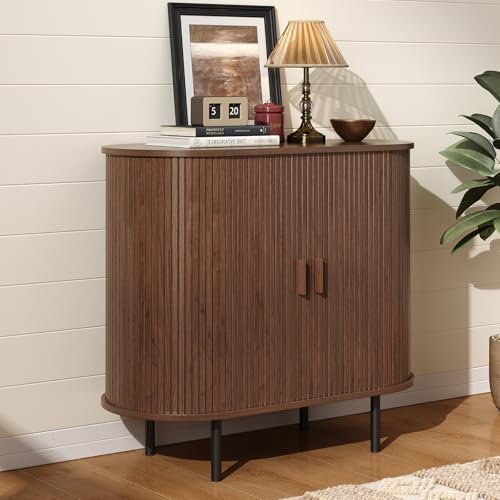
ONBRILL 31.5" Sideboard Buffet Cabinet Sliding Door/Adjustable Shelf Walnut | Buffet Sideboard Storage Cabinet Mid-Century Modern Accent Coffee Bar Cabinet Console Table for Kitchen/Entryway/Dining Room
Check price on Amazon
Iwell Storage Cabinet with 2 Shelves, Rattan Cabinet with 2 Doors, Sideboard Buffet Cabinets with Storage for Living Room, Dining Room, Entryway, Natural
Check price on Amazon