
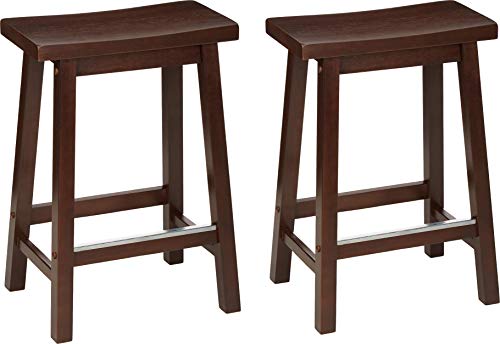


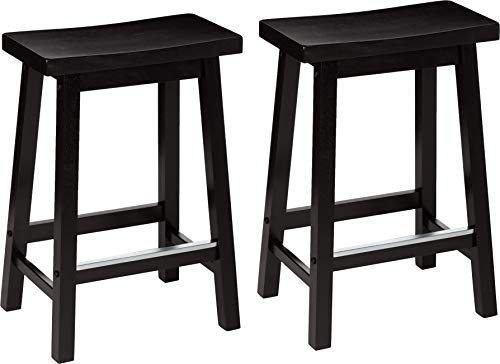


Why Choose Solid Wood Bar Stools
Solid wood bar stools occupy a special place in kitchen and dining design. They bridge the gap between furniture and architecture, adding natural texture to hard surfaces like stone counters and tile floors. Where metal stools can feel cold and molded plastic can look temporary, a well-made wooden stool reads as intentional and permanent.
The practical case is just as strong. Solid wood frames can be sanded and refinished if they scuff, and joints can be re-glued rather than replaced. Dense hardwoods like oak and maple handle the knocks and spills of a busy household far better than particleboard or thin veneer. For anyone furnishing a breakfast bar or a kitchen island that gets daily use, that durability matters.
Wood also offers design flexibility that few other materials match. A light oak stool suits a Scandinavian or coastal kitchen, while a dark walnut stool anchors a moody, modern space. The same silhouette can shift character entirely depending on the stain and finish, which makes wooden seating easy to coordinate with existing solid wood dining chairs or a matching solid wood dining table in an open-plan room.
Getting the Height Right
Height is the single most common source of dissatisfaction with bar stools. A stool that is too tall leaves knees pressed against the counter; one that is too short makes eating uncomfortable and puts strain on the back. The fix is simple: measure before you shop.
Start by measuring from the floor to the underside of your counter or bar top. Then subtract roughly 9 to 12 inches to find your ideal seat height. That gap is the clearance needed for comfortable legroom and for sliding in and out.
| Counter Type | Typical Surface Height | Recommended Seat Height | Best For |
|---|---|---|---|
| Standard kitchen counter | 36 inches | 24–26 inches | Counter-height stools, everyday family meals |
| Bar-height counter | 42 inches | 28–30 inches | Bar stools, entertaining areas |
| Low breakfast bar | 34–35 inches | 22–24 inches | Compact kitchens, casual coffee seating |
| Adjustable island / multi-use | Variable | Adjustable range | Flexible seating, rental homes |
If your counter sits between standard sizes, lean toward the shorter seat height. A stool that is slightly low still works comfortably, while an overly tall stool does not. It is also worth checking the standard kitchen table height if your island shares space with a dining table, so the two seating zones feel balanced.
Choosing the Right Wood Species
Not all solid wood is created equal. The species determines hardness, grain character, weight, and how the stool responds to moisture and wear. Here is how the most common options compare.
Hardwoods: Oak, Maple, Ash, and Walnut
Oak is the workhorse of wooden seating — dense, shock-resistant, and blessed with a prominent grain that looks handsome in both rustic and contemporary settings. Maple is finer-grained and slightly harder, which makes it a favorite for painted stools where a smooth surface matters. Ash shares oak's toughness but has a more linear grain, often used in modern and Scandinavian designs. Walnut is the premium option: rich, dark, and dimensionally stable, with a grain that reads as elegant in formal kitchens.
Mid-Density Options: Rubberwood and Beech
Rubberwood, sometimes sold as parawood, is a plantation hardwood that performs well for general household use. Beech sits between rubberwood and maple in density and takes stain evenly, making it a solid mid-range choice for families who want a natural wood look without the heaviest frame.
Softer Woods: Pine and Cedar
Pine is light, easy to move, and visually warm, but it dents more readily under heavy use. It suits decorative or occasional seating better than a primary breakfast bar. Cedar resists moisture well and works in covered outdoor kitchens, though it is softer than the true hardwoods.
If you are also shopping for dining seating in the same wood, it helps to read up on solid wood dining room chairs so the species and finish across both zones stay consistent.
Seat Styles and Back Options
The shape of the seat and the presence of a back affect both comfort and how the stool fits your room. There is no universally best option — only the best match for your layout and habits.
Backless Stools
Backless wooden stools tuck completely under the counter, which keeps sightlines open and makes small kitchens feel larger. They are ideal for islands where the seating side faces a living area, or for households that use stools for short meals and coffee rather than long dinners. The trade-off is less lower-back support during extended sitting.
Low-Back and Full-Back Stools
Stools with a low back offer gentle support while still sliding under most overhangs. Full-back stools behave more like dining chairs and are the better choice if people regularly eat full meals at the island. Just confirm the back height clears your counter overhang when the stool is pushed in.
Swivel and Fixed Seats
Swivel stools make it easy to turn from the counter toward conversation or the kitchen workspace. They are especially useful on islands where people sit facing away from the room. Fixed-seat stools are simpler, lighter, and less likely to develop wobble over time. For a more traditional silhouette, look at spindle chairs for design cues that translate well to wooden stool backs.
Saddle and Contoured Seats
A subtly contoured or saddle-shaped seat distributes weight better than a flat plank and noticeably improves comfort without adding bulk. Many mid-range and premium wooden stools now include this feature, and it is one of the easiest upgrades to justify.
Comfort and Footrest Features
Bar stools are often judged in the first thirty seconds of sitting. Footrests, seat depth, and frame rigidity do most of that work.
- Footrest height: The footrest should let your feet rest flat or slightly angled, with knees bent at roughly 90 degrees. A footrest placed too high forces the knees up; too low and your legs dangle.
- Seat depth: Look for 14 to 16 inches of usable seat depth for adults. Deeper seats are comfortable but can make shorter users feel swallowed by the stool.
- Frame rigidity: A solid wood stool should feel planted when you push it. Slight flex is normal in wood; side-to-side wobble at the joints is not.
- Footrest width: A wide, flat footrest is more comfortable than a thin round rung, especially for bare feet.
- Cushioning: Padded seats add comfort but require upholstery care. Removable cushions are the flexible middle ground.
For a broader look at seating ergonomics, see the dining chair comfort guide, which covers seat height, depth, and lumbar support principles that apply equally to stools.
Finishes and Color Matching
The finish does more than set the color — it determines how the stool ages and how much maintenance it needs.
- Natural oil and hardwax oil: Penetrates the wood, feels warm to the touch, and can be spot-repaired. Best for a natural, matte look.
- Lacquer and polyurethane: Forms a protective film that resists spills and wiping. Easier to clean but harder to repair if scratched.
- Painted finishes: Popular for farmhouse and coastal kitchens. Painted stools show chips more readily, so look for a factory-applied finish over a sealed primer.
- Distressed and reclaimed looks: Hide everyday wear well and suit rustic and industrial schemes.
Color matching is the practical challenge. Bring a cabinet door, floor sample, or photo of your counter to the shopping stage, and compare finishes under the same lighting as your kitchen. Warm whites and greiges are notoriously tricky — a stool that looks neutral in a showroom can read yellow or gray in your home.
Spacing and Quantity Planning
Getting the count right keeps the island comfortable rather than crowded. The working guideline is about 24 inches of width per stool, with at least 6 inches between seats.
| Island or Counter Length | Comfortable Stool Count | Layout Note |
|---|---|---|
| 4 feet | 2 stools | Best for couples or small households |
| 6 feet | 3 stools | Most versatile everyday layout |
| 8 feet | 4 stools | Great for families and casual hosting |
| 10 feet and above | 4–5 stools | Leave gaps for walkways and serving |
Also check the overhang. Stools need at least 12 inches of counter overhang to sit comfortably with knees under the surface. If your island has a shallow overhang, backless or low-back stools are the safer choice. For compact layouts, the principles in this guide to small kitchen tables for small spaces apply equally to stool placement.
Care and Maintenance
Solid wood bar stools are low-maintenance but not maintenance-free. A simple routine keeps the finish intact and extends the frame's life.
- Dust weekly with a soft microfiber cloth to prevent grit from dulling the finish.
- Wipe spills promptly with a slightly damp cloth, then dry immediately. Standing water is the main enemy of wood joints.
- Condition or polish oiled and waxed finishes two to four times a year, depending on use.
- Tighten hardware on swivel plates and stretchers every few months.
- Keep away from heat sources and prolonged direct sunlight, which can dry and fade the wood.
- Use felt pads under the feet to protect hard floors and reduce scuffing.
For a deeper treatment of wood-specific upkeep, the care and maintenance section covers polishing, humidity control, and refinishing in detail. If your stools are part of a matched dining set, the same routine applies to a solid wood dining set.
Common Buying Mistakes
Most disappointing stool purchases trace back to a handful of avoidable errors. Watch for these before you order.
- Buying before measuring. Always measure the counter underside and confirm clearance.
- Ignoring the overhang. A great stool cannot compensate for a shallow counter lip.
- Overcrowding the island. Squeezing in one extra stool makes every seat less comfortable.
- Mixing too many wood tones. Two or three complementary tones work; five looks accidental.
- Skipping the footrest check. A beautiful stool with a badly placed footrest will not get used.
- Forgetting the back height. Full-back stools that do not fit under the overhang end up stored awkwardly.
- Assuming all "solid wood" is equal. Confirm the species and whether the seat is solid or veneered.
Ready to Compare Your Options?
Browse a curated selection of solid wood bar stools above, then check the height chart and spacing guide to confirm the right count and size for your island.
View Recommended StoolsFrequently Asked Questions
What is the correct bar stool height for my counter or island?
Measure from the floor to the underside of your counter. For a standard 36-inch counter, choose stools with a seat height of about 24 to 26 inches. For a 42-inch bar counter, choose stools with a seat height of about 28 to 30 inches. Always allow 9 to 12 inches of clearance between the seat and the counter underside.
Which wood species are best for solid wood bar stools?
Oak, maple, and ash are dense hardwoods that resist wear and hold up well in busy kitchens. Walnut and teak offer premium grain and durability. Pine and rubberwood are softer options that suit lighter use or decorative settings.
How many bar stools fit at a kitchen island?
Allow about 24 inches of width per stool. For a 6-foot island, three stools are comfortable. For an 8-foot island, four stools work well. Leave at least 6 inches between stools so people can sit and move freely.
Do solid wood bar stools need special care?
Dust regularly with a soft cloth and wipe spills promptly. Apply a wood conditioner or furniture polish a few times a year to prevent drying and cracking. Keep stools away from direct heat and prolonged sunlight, and tighten any loose hardware as needed.
Are swivel and backless wooden bar stools better?
Swivel stools make it easier to turn toward conversation or the kitchen, while backless stools tuck neatly under the counter and keep sightlines open in small spaces. Stools with backs offer more support for longer sitting. Choose based on your layout and how often the seats are used.
Whether you are outfitting a compact breakfast bar or a full entertaining island, the right wooden stools come down to height, species, and comfort details. Use the guide above as a checklist, compare a few options, and you will end up with seating that looks at home and holds up for years.