Storage Bench Buying Guide: Styles, Sizes & Placement Tips
A storage bench is one of the most versatile pieces you can add to a dining room, entryway, or kitchen. This guide walks you through seat heights, materials, storage types, and room-by-room placement so you can choose with confidence before you buy.
Storage benches solve a familiar problem: you need extra seating, but you also need a place for linens, tableware, shoes, or serveware. Instead of buying two separate pieces, a single bench combines seating and concealed storage in one footprint. That makes it especially useful in compact dining rooms, open-concept layouts, and busy hallways that double as a drop zone.
This page is written for buyers who already know they want a bench and are now comparing options. You will find a practical breakdown of bench types, a comparison of materials and storage mechanisms, measurement guidance, and maintenance advice. Where it makes sense, we also point you to related guides on benches and settles, breakfast nooks, and room measurement so you can cross-check your decision.
What Makes a Storage Bench Different?
A storage bench is a hybrid: the top surface is designed for sitting, while the body of the bench opens, slides, or lifts to reveal interior space. The storage mechanism is the defining feature. Without it, you simply have a bench. With it, you get a compact storage unit that earns its place in rooms where floor space is at a premium.
Most storage benches fall into one of three categories: lift-top, drawer-based, and open-shelf. Each one behaves differently in daily use, and the right choice depends on what you plan to store and how often you need to access it. For a deeper look at bench styles in general, see our benches and settles guide.
Lift-Top, Drawer, and Open-Shelf Benches
The storage mechanism affects ergonomics, capacity, and how the bench fits against a wall. Here is how the three main types compare.
Lift-Top Benches
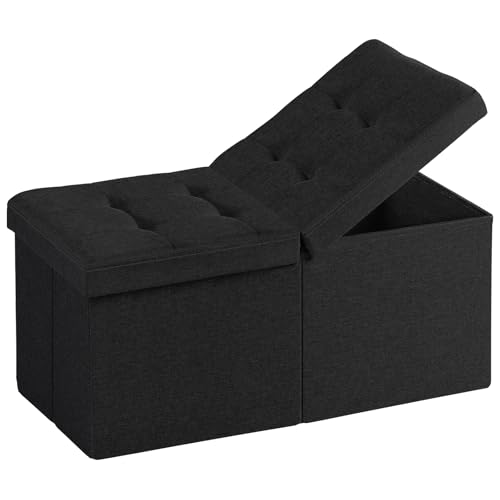
The seat hinges upward to reveal a large single compartment. Best for bulky items like blankets, table linens, and seasonal decor. Requires clear space in front of the bench to open the lid.
Drawer Benches
One or more drawers slide out from the front or side. Ideal for smaller items such as cutlery, napkins, placemats, and chargers. Drawers keep contents organized but reduce interior height.
Open-Shelf Benches
Cubby or shelf-style compartments with no closed lid. Great for baskets, books, and frequently used items. Less concealed, but easier to access and often lighter in visual weight.
Quick tip: If the bench will sit against a wall with limited clearance, drawer benches and open-shelf designs are easier to use than lift-top models. Lift-top benches need room for the lid to swing up and for you to reach inside.
Materials: Wood, Upholstery, and Metal
Material choice affects durability, comfort, and how well the bench fits your room's design language. In high-traffic areas, the frame matters as much as the finish. Look for reinforced joinery on wooden frames, high-grade steel or rust-proof finishes on metal frames, and tight, durable upholstery on cushioned models.
- Solid wood: The most durable option for daily seating. Oak, rubberwood, and pine are common; oak and rubberwood hold up especially well. Pair with a weather-resistant coating if the bench sits near a door. See our solid wood dining guide for finish and care notes.
- Upholstered: Adds comfort and softens hard surfaces in a dining room. Fabric benches need regular vacuuming and occasional spot cleaning; see upholstery cleaning for a full routine.
- Metal and mixed materials: Industrial-style benches often pair a metal frame with wood or upholstered tops. They are sturdy and visually light, but check for rust-proof finishes in humid rooms. Our metal and hardware care guide covers maintenance.
Storage Bench Types Compared by Tier
The table below groups common storage bench types by market tier rather than by any specific figure. Use it to match a bench type to your room and your storage needs.
| Bench Type | Market Tier | Best For | Notes |
|---|---|---|---|
| Entry-level wooden lift-top bench | entry-level | Hallways, first apartments, rental spaces | Lightweight frame; good value for its tier. Check weight capacity before daily seating. |
| Mid-range upholstered storage bench | mid-range | Dining rooms, bedroom ends, window seating | Comfortable top with a hinged or drawer compartment; fabric needs routine care. |
| Drawer-based wooden bench | mid-tier | Kitchen islands, breakfast nooks, dining storage | Better organization for small items; drawer glides vary in smoothness across models. |
| Solid oak lift-top bench | premium | Formal dining rooms, long-term family use | Heavy-duty joinery and a solid build; a long-term investment for high-traffic homes. |
| Custom built-in bench with storage | luxury | Open-concept homes, dedicated mudrooms, nooks | Fitted to the room; consult a custom furniture maker for sizing and installation. |
| Commercial-grade metal and wood bench | commercial-grade | Restaurants, busy family kitchens, rental properties | Reinforced frame and durable finish; prioritize ease of cleaning and repairability. |
Sizing and Placement: Getting the Measurements Right
Most storage bench problems come down to size. A bench that is too deep blocks walkways; one that is too tall makes seating awkward. Before you buy, measure the wall, the walkway, and the seat height you need.
- Seat height: 17 to 19 inches is standard for dining and entryway seating. Match it to your dining chairs if the bench will sit at the same table.
- Depth: 15 to 18 inches suits most spaces. Deeper benches offer more storage but eat into walkway clearance.
- Clearance: Leave at least 30 inches in front of the bench so drawers and lift-tops can open fully.
- Length: A bench should be slightly shorter than the table or wall it sits against, leaving a few inches on each side for visual breathing room.
For a room-by-room sizing walkthrough, our measurement guide covers clearance rules, walkway widths, and how to map furniture on the floor before delivery. If the bench is part of a larger dining setup, our dining tables guide explains how seating and table proportions work together.
Placement note: In open-concept rooms, a storage bench can act as a soft divider between the dining zone and living area. Choose a low-profile bench so sightlines stay open, and see our open concept spaces guide for layout ideas.
Storage Bench Ideas by Room
The same bench type can serve very different purposes depending on where it lives. Here is how to think about placement room by room.
- Entryway and hallway: A lift-top or drawer bench keeps shoes, gloves, and bags out of sight. Choose a durable finish that handles daily traffic and a seat height that works for putting on shoes.
- Dining room: Use a bench along one side of the table and store linens, chargers, and serving pieces inside. Coordinate with your tablecloths and chargers so the bench doubles as a staging area for setting the table.
- Kitchen and breakfast nook: A drawer bench near a kitchen island or breakfast nook keeps small tools and napkins close at hand. Choose easy-to-clean materials.
- Bedroom and window seating: An upholstered bench at the foot of the bed or under a window adds a soft seat and a place for extra bedding. Store out-of-season linens inside.
If you are styling the bench as part of a larger dining scheme, browse our dining room styles hub for palette and material direction, and our table decor and settings section for accessories that pair well with wood and upholstered benches.
What to Store Inside a Bench
A storage bench is only as useful as what you put in it. Plan the contents before you buy so the storage type matches the job.
- Lift-top compartment: Table linens, blankets, seasonal decor, and larger serveware.
- Drawers: Cutlery, napkins, placemats, chargers, candles, and small accessories. Pair with organizers so items stay visible.
- Open cubbies: Baskets for shoes, books, board games, and frequently used items. Baskets also make it easy to pull out the whole contents at once.
For dining-specific storage, our guides to serveware and platters, cloth napkins, and placemats explain how much space these items typically need. If the bench will hold tableware, consider a lined interior to reduce movement and rattling.
Care and Maintenance
A storage bench takes more wear than a standard bench because it is both a seat and a container. A short maintenance routine keeps the frame, finish, and mechanism working smoothly.
- Dust wooden surfaces regularly and apply a wood conditioner occasionally; see our wood polish and conditioner guide.
- Vacuum upholstered tops with a soft brush and treat spills promptly. Our upholstery care guide covers fabric-specific cleaning.
- Keep the bench out of direct sunlight to prevent fading and finish damage; see our sun damage prevention tips.
- Check hinges, drawer glides, and hardware every few months and tighten loose screws. For minor surface issues, our scratch repair guide has practical fixes.
- Control indoor humidity to protect solid wood from swelling and cracking; our humidity control guide explains the safe range.
A Practical Buying Checklist
Use this checklist before you commit to a bench. It takes a few minutes and prevents most return headaches.
- Measure the wall length, available depth, and walkway clearance.
- Confirm the seat height matches your table or intended use.
- Decide which storage type fits your contents: lift-top, drawer, or open shelf.
- Check the frame material and joinery quality for daily seating.
- Review the return and warranty terms; our warranty and returns guide explains what to look for.
- Plan for delivery and assembly, especially on solid wood models; see our delivery and assembly guide.
- If shopping second-hand, inspect hinges and structural joints carefully; our second-hand furniture guide has inspection tips.
If the bench is part of a bigger room update, the dining room essentials checklist and buying guides hub will help you sequence the other pieces.
Ready to Choose Your Storage Bench?
Compare the bench types above with your room measurements, then explore related seating and storage pieces to complete the space.
Frequently Asked Questions
What is the ideal depth for a storage bench?
A depth of 15 to 18 inches suits most entryways and dining areas. Deeper benches of 20 inches or more provide more storage volume but require wider clearance. Always leave at least 30 inches of walkway in front of the bench so doors and drawers open freely.
Can a storage bench be used as dining seating?
Yes. Bench seating works well along one side of a dining table, especially in compact rooms and breakfast nooks. Choose a bench with a seat height that matches your chairs, usually 17 to 19 inches, and confirm the top is sturdy enough for daily use.
Which storage bench material is most durable?
Solid wood frames with reinforced joinery are the most durable option for high-traffic areas. Upholstered benches add comfort and acoustic softness but need regular fabric care. Metal frames are strong and industrial in style but benefit from rust-proof finishes in humid rooms.
How do I maintain a storage bench?
Dust wooden surfaces regularly, condition them occasionally, and vacuum upholstery with a soft brush. Keep the bench away from direct sunlight and wipe spills promptly to prevent staining. Check hinges and hardware every few months and tighten as needed.