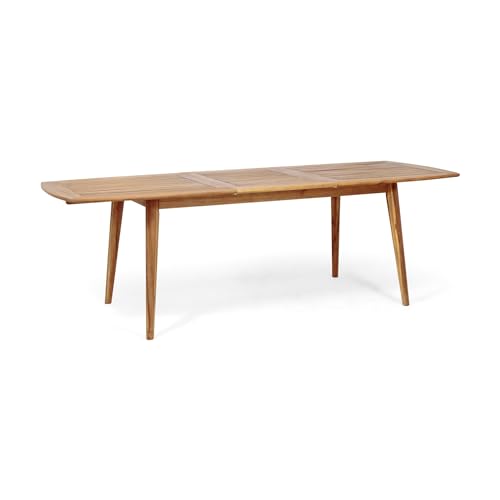
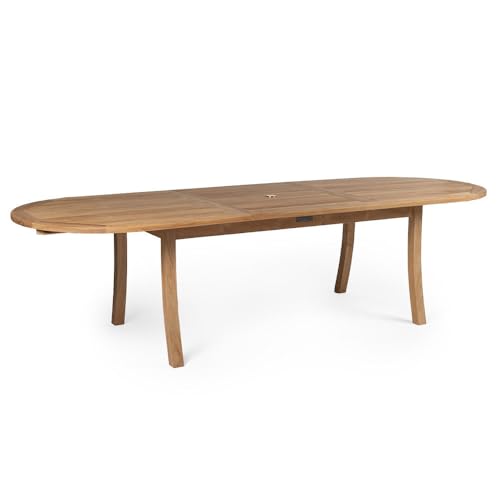
What Makes Teak Dining Tables Special?
Teak (Tectona grandis) is a tropical hardwood native to Southeast Asia. Its high natural oil and rubber content make it incredibly resistant to moisture, rot, and insects. This is why teak has been used for centuries in shipbuilding and outdoor furniture. For a dining table, teak offers a unique combination of beauty and resilience that few other woods can match.
Key Benefits of Teak Dining Tables
- Exceptional Durability: Teak is one of the hardest and most durable woods available.
- Natural Weather Resistance: Ideal for both indoor and outdoor use.
- Low Maintenance: Its natural oils protect it, requiring minimal upkeep.
- Beautiful Aging: Teak develops a lovely silver-grey patina over time if left untreated.
- Versatile Style: Complements modern, traditional, and rustic interiors.
Understanding Teak Grades & Quality
Not all teak is created equal. When shopping for a teak dining table, it's essential to understand the grading system. High-quality teak typically comes from mature trees (at least 30-50 years old) and is graded as A or B. Lower grades (C and D) may contain more sapwood and have fewer natural oils, making them less durable. Always look for Grade A teak for the best longevity and appearance. For a luxury dining set, Grade A teak is the standard.
Also, consider the origin: Burmese teak is often considered the gold standard, but sustainable sources from plantations in Indonesia and India also produce excellent quality wood. Check for certifications like FSC (Forest Stewardship Council) to ensure your table is sourced responsibly.
Teak Dining Table Styles & Designs
Teak's neutral golden-brown hue and straight grain make it incredibly versatile. Here are popular styles you'll find:
- Modern & Minimalist: Clean lines, sleek profiles, often with a matte finish. Perfect for contemporary homes.
- Rustic & Farmhouse: Chunky legs, live-edge tops, and a more natural, textured finish. Pair with farm dining chairs for a cohesive look.
- Mid-Century Modern: Tapered legs, organic shapes, and a warm, oiled finish. Complements MCM dining table aesthetics.
- Outdoor/Patio: Teak is a classic choice for outdoor dining. Look for slatted tops and weather-resistant construction.
When choosing a style, consider your existing decor and how you use the space. A modern dining set with a teak table can anchor your dining room with timeless elegance.
Size & Seating: Choosing the Right Teak Table
Before purchasing, measure your dining area carefully. Allow at least 36-48 inches of clearance around the table for comfortable seating and movement. Here’s a general guideline:
- 4-Seater: ~48 inches long (round or rectangular) – ideal for small kitchens or breakfast nooks.
- 6-Seater: ~60-72 inches long – the most common size for average dining rooms.
- 8-Seater: ~80-96 inches long – great for larger families or those who entertain often.
If you have a small dining room, consider a round teak table or a pedestal base to maximize floor space. For larger gatherings, an extendable teak table offers flexibility.
Teak Table Care & Maintenance
One of teak’s greatest advantages is its low maintenance. Here’s how to keep your table looking its best:
- Regular Cleaning: Wipe with a soft, damp cloth and mild soap. Avoid harsh chemicals.
- Oiling: Teak oil can be applied to maintain the golden-brown color, but it's not necessary for protection.
- Outdoor Care: If used outdoors, consider a teak sealer to slow the natural silvering process, or simply let it age gracefully.
- Protection: Use coasters and placemats to prevent stains and heat damage. A dining table pad can add an extra layer of protection.
With minimal effort, your teak dining table will remain a stunning centerpiece for years to come. Its natural beauty only deepens with age.
Teak Dining Table Price Guide
Teak is a premium wood, and prices reflect its quality. Here’s a general price range for new teak dining tables:
- $800 – $1,500 Entry-level: Smaller tables (4-seat) or those with lower-grade teak or mixed materials.
- $1,500 – $3,500 Mid-range: Quality Grade A teak, standard 6-seat tables with good craftsmanship.
- $3,500+ Premium: Large tables (8+ seats), custom designs, live-edge, or from renowned craftsmen.
Keep in mind that prices can vary based on design, finish, and retailer. For a more budget-friendly option, consider dining table sale events or second-hand markets where you can find excellent deals on solid teak furniture.
Where to Buy a Teak Dining Table
You can find teak dining tables at furniture stores, specialty teak retailers, and online marketplaces. When buying online, always check the return policy and read reviews about the quality and packaging. Look for retailers that provide detailed information about the wood grade and origin.
If you prefer a more personalized touch, consider working with a custom furniture maker. This allows you to choose the exact dimensions, finish, and design that fits your space perfectly.
Teak vs Oak: Which is Right for You?
Both teak and oak dining table are excellent choices, but they have distinct characteristics. Oak is harder and heavier, with a more pronounced grain. Teak is more moisture-resistant and lighter in color, with a smoother texture. If you plan to use your table outdoors or in a humid environment, teak is the superior choice. For a classic, traditional indoor look, oak is a fantastic option.
Frequently Asked Questions About Teak Dining Tables
Is teak dining table suitable for outdoor use?
Yes, teak is one of the best woods for outdoor furniture due to its high oil content and resistance to the elements. Many people use teak tables on patios and decks.
How do I clean a teak dining table?
Simply wipe it with a damp cloth and mild dish soap. For tougher stains, use a teak cleaner. Avoid abrasive scrubbers.
Does teak wood scratch easily?
While teak is durable, it can scratch. Using placemats, coasters, and table pads will help protect the surface.
Can I leave my teak table outside in winter?
Yes, teak can withstand cold and snow. However, for prolonged life, consider covering it or storing it indoors during extreme weather.
What is the difference between Grade A and Grade B teak?
Grade A teak comes from the heartwood of mature trees and has a uniform color and high oil content. Grade B may contain more sapwood, which is less durable and lighter in color.