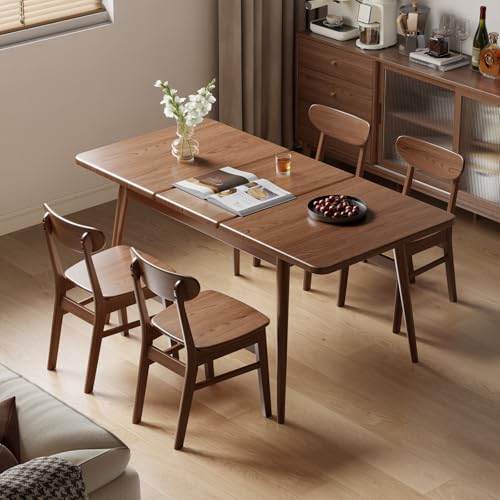
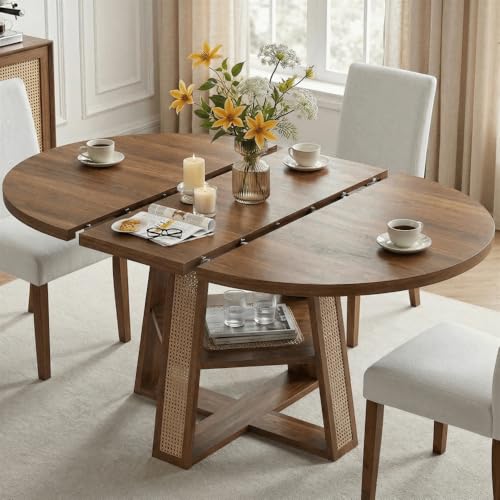
Why Choose a Walnut Dining Table?
Walnut is one of the most prized hardwoods for furniture, and for good reason. Its rich, chocolate-brown color with subtle grain variations adds warmth and sophistication to any dining space. Whether you're furnishing a modern loft, a farmhouse kitchen, or a traditional dining room, a walnut dining table anchors the room with timeless elegance.
Beyond its stunning aesthetics, walnut is incredibly durable and resistant to warping. With proper care, a well-crafted walnut table can last for generations. It's also a versatile wood that pairs beautifully with a variety of modern dining areas, rustic dining tables, and dining room buffets.
Popular Styles of Walnut Dining Tables
Walnut's natural beauty shines across many design aesthetics. Here are the most popular styles to consider:
- Mid-Century Modern: Clean lines, tapered legs, and a sleek silhouette. Perfect for contemporary homes. Pair with Scandi dining chairs for a cohesive look.
- Live-Edge / Organic: Retains the natural edge of the wood slab for a one-of-a-kind, artistic statement. Ideal for farmhouse dining rooms.
- Farmhouse / Rustic: Thick, sturdy construction with a matte finish. Often features trestle or pedestal bases. Complements rustic dining chairs beautifully.
- Scandinavian Minimalist: Lightly oiled finishes, simple forms, and a focus on functionality. Works well in compact dining tables spaces.
- Formal / Traditional: Ornate details, turned legs, and a high-gloss finish for a classic look. A formal dining table that exudes elegance.
How to Choose the Right Size & Shape
Selecting the right size is crucial for both comfort and flow. Consider your room dimensions and the number of people you typically host. A standard walnut dining table for four seats is around 48" long, while a six-seater is 60"–72". For larger gatherings, an 80"–96" table can accommodate 8–10 people.
Shape also impacts the feel of your space. Rectangular tables are classic and fit most rooms. Round tables encourage conversation and work well in tighter spaces. Square tables are great for intimate dining, and oval tables offer a softer, more elegant profile. If you're unsure, browse our guide on square table dining or pedestal dining tables for more inspiration.
Walnut vs. Other Woods: A Quick Comparison
Walnut is often compared to oak, maple, and mahogany. While oak is more affordable and lighter in color, walnut offers a richer, darker hue that feels more luxurious. Maple is very light and consistent, whereas walnut has beautiful, irregular grain patterns. Mahogany is similar in color but has a reddish undertone and is less durable than walnut. For a durable and elegant choice, walnut stands out as a premium option.
Caring for Your Walnut Dining Table
Walnut is relatively low-maintenance, but proper care ensures its beauty lasts. Use coasters and trivets to protect the surface from heat and moisture. Dust regularly with a soft cloth. For deeper cleaning, use a wood-safe cleaner or a mix of mild soap and water (wring cloth well). Avoid harsh chemicals and excessive sunlight, which can fade the wood's rich color. Polish with a high-quality furniture wax every 6–12 months to nourish the wood and maintain its luster.
✅ Pros
- Stunning, rich color and grain
- Durable and long-lasting
- Versatile – suits many decor styles
- Resists warping and cracking
- Increases in value over time
❌ Cons
- Higher price point than other woods
- Can be heavy and difficult to move
- May show scratches more easily
- Requires occasional maintenance
- Susceptible to fading from direct sun