
30 Inch Bar Stools with Backs and Arms: The Complete Buyer's Guide
Everything you need to know before choosing a bar stool that fits your counter height, supports your posture, and complements your kitchen or home bar for years to come.
Explore Top PicksWhy this guide matters: A 30 inch bar stool with a back and arms is not just a seat — it is a daily-use piece of furniture that affects posture, comfort, and the flow of your kitchen or bar area. This guide breaks down the exact height requirements, comfort features, materials, and practical considerations so you can choose with confidence.
Understanding the 30 Inch Bar Stool Height
A 30 inch bar stool refers to the seat height, measured from the floor to the top of the seat. This size is specifically designed for standard bar-height counters and high-top tables that sit approximately 40 to 42 inches off the ground. It is a distinct category from counter-height stools, which are typically 24 to 26 inches tall and pair with 36-inch counters.
The 10 to 12 inch gap between the seat and the underside of the counter is the sweet spot. It allows enough room for your legs to move freely, keeps your knees from bumping the countertop, and makes it easy to slide in and out. If you are still comparing height options, our guide to 30 inch bar stools covers the broader category, while our breakdown of counter height stools with backs and arms helps you distinguish the two standards.
Measure twice before ordering. Bring a tape measure to your counter, note the exact height, and compare it against the stool's seat height. A stool that is too tall forces you to hunch; one that is too short leaves you reaching. Both undermine the comfort that a back and arms are meant to provide.
Why Backs and Arms Make a Difference
Backless, armless stools work for quick perch-and-go moments, but a stool with a back and arms is built for lingering. The backrest supports the lumbar region and encourages an upright posture, while armrests reduce shoulder and neck strain by giving your arms a natural resting place. For breakfast nooks, kitchen islands used as informal dining spots, and home bars where guests gather for hours, these features transform a basic seat into a genuinely comfortable chair.
There is a trade-off to consider. Arms add width, which means the stool needs more clearance from neighboring seats and from the counter edge. A common guideline is to allow at least 6 inches between stools, and more if the armrests are wide. If your island is tight on space, look for stools with low-profile or scooped arms that preserve comfort without eating into the footprint.
Key Features to Evaluate
Seat Comfort
Upholstered seats with high-density foam hold their shape longer than thin padding. Look for breathable fabrics or easy-clean materials if the stool lives near a cooking zone.
Backrest Support
A contoured back that follows the spine is more supportive than a flat panel. Mid-height backs work well for kitchens; full backs suit dedicated bar areas.
Armrest Design
Scooped or sloping arms let you tuck the stool closer to the counter. Padded arms add comfort; solid wood arms add durability and a classic look.
Frame Construction
Solid wood, high-grade steel, and reinforced joints are the markers of a stool that will not wobble after months of daily use. Check the weight capacity.
Footrest
A built-in footrest at the right height prevents dangling legs and reduces pressure on the back of the thighs. It is a small detail with a big comfort payoff.
Swivel vs. Stationary
Swivel models ease entry and exit and suit social spaces. Stationary models feel more grounded and are a solid choice for formal or traditional settings.
Materials and Market Tiers
Bar stools with backs and arms span a wide range of construction quality. Rather than focusing on numbers, it helps to think in tiers. Entry-level models typically use painted or veneered wood, basic metal frames, and modest padding. They are a practical starting point for light use and secondary spaces.
Mid-range models step up to solid wood frames, high-grade steel, denser foam, and better upholstery. This tier is where you will notice smoother swivel mechanisms, more refined joinery, and finishes that resist daily wear. Premium and luxury tiers use hardwood, top-grain leather or performance fabrics, and commercial-grade hardware intended for years of heavy use.
For a balanced approach, the mid-tier is often the most sensible choice for a primary kitchen island: it delivers durable construction and long-term comfort without the characteristics of a flagship-tier piece. If your seating doubles as a design statement, the high-end tier offers the craftsmanship to match. Either way, prioritize the frame and the joint quality — upholstery can be refreshed, but a shaky frame cannot be fixed easily.
Tier Comparison at a Glance
| Tier | Typical Construction | Best For | Comfort Notes |
|---|---|---|---|
| Entry-Level | Painted or veneered wood, basic metal frame, lighter padding | Secondary seating, casual breakfast corners, light daily use | Adequate for short sits; back and arms add basic support |
| Mid-Range | Solid wood or high-grade steel, denser foam, durable upholstery | Primary kitchen islands and home bars with regular use | Balanced support; smoother swivel and better long-sit comfort |
| Premium & Luxury | Hardwood, top-grain leather or performance fabric, commercial-grade hardware | Design-led kitchens, formal bars, heavy daily use | Contoured lumbar support; refined armrests and lasting cushioning |
Matching the Stool to Your Space
Before choosing a style, look at how the seating area connects to the rest of the room. An open-plan kitchen island benefits from a stool that echoes the finishes of the surrounding cabinetry and dining furniture. A dedicated home bar can handle bolder shapes and heavier materials. If your kitchen island also functions as a prep surface, consider a stool that tucks neatly underneath the overhang — our guide to kitchen bar stools with backs explores this balance in more detail.
For homes with limited room, a movable kitchen island with seating paired with compact 30 inch stools creates a flexible dining zone without committing to a full table. In larger spaces, a rustic kitchen island with seating and storage gives the stools a natural anchor and keeps serving pieces close at hand.
Also consider the surrounding palette. Warm wood tones pair well with upholstered seats in neutral fabrics, while painted or metal frames suit modern and industrial schemes. If you are still deciding on the broader dining furniture, our dining room table and chairs set for 8 is a useful reference for scale and proportion.
Pre-Purchase Checklist
- Measure your counter height and confirm it falls in the 40 to 42 inch bar-height range.
- Check the seat height is exactly 30 inches from the floor.
- Allow at least 6 inches between stools, and more if armrests are wide.
- Confirm the weight capacity matches the intended users and use case.
- Decide between swivel and stationary based on how the space is used.
- Look for a built-in footrest at a comfortable height.
- Verify the frame material and joint construction, not just the finish.
- Confirm the stool fits under your counter overhang when not in use.
Placement and Styling Tips
Spacing is the most overlooked detail. A 30 inch stool with arms needs breathing room on both sides; cramming three stools against a short island forces elbows together and makes the arms a liability rather than a comfort feature. Aim for generous spacing and test the arrangement before committing to a full set.
If your counter has an overhang of 12 inches or more, the stools can tuck in cleanly and keep walkways clear. For smaller overhangs, choose stools with compact arms or a slightly narrower seat. In a kitchen with a dedicated table nearby, coordinate the stool finishes with the table — our guide to the kitchen table with chairs that fit underneath is a helpful companion for creating a unified look.
Finally, treat the stool as part of the room's lighting and texture story. A warm wood frame complements pendant lighting, while upholstered backs soften hard surfaces like stone counters and tile floors. Small choices like these make the seating area feel intentional rather than an afterthought.
Ready to Choose Your Stools?
Explore hand-picked 30 inch bar stools with backs and arms, selected for comfort, durable construction, and thoughtful design.
View Recommended OptionsRecommended 30 Inch Bar Stools with Backs and Arms
⚠️ AFFILIATE DISCLOSURE: This website contains affiliate links. As an affiliate Associate, we earn from qualifying purchases. If you make a purchase through these links, we may receive a small commission at no additional cost to you. Read our full affiliate policy.

FERFALDER 30 Inch Bar Stools Set of 2 with Full Back, Swivel Bar Chairs with Linen Padded Back, Metal Footrest, Modern Bar Height Stools for Kitchen Island, Dining, Living Room, Brown
Check price on Amazon
Mid Century Bar Stools, 30 inch Swivel Bar Stools with Curved Back and Arms | Natural Bentwood Frame, Walnut Finish, Faux Leather Upholstered Seat, Kitchen Bar Stools for Bar, Pub, Cafe, Restaurant
Check price on Amazon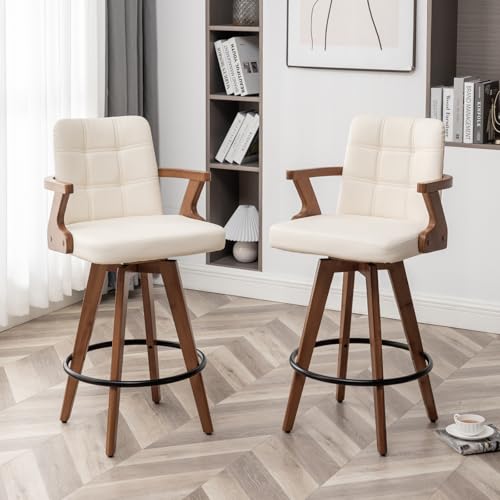
MEKLIBA 30” Bar Height Bar Stools,Leather Upholstered Bar Chair, Swivel Bar Stools with Back and Arms,Modern Beige Barstool Set of 2 for Kitchen Island
Check price on Amazon
30 inch Swivel Bar Stools, Mid Century Modern Bar Stools with Back and Arms | Natural Bentwood Frame, Walnut Finish, Faux Leather Upholstered Seat, Counter Height Bar Stools for Bar, Pub, Restaurant
Check price on Amazon
MEKLIBA 30” Bar Height Bar Stools,Leather Upholstered Bar Chair, Swivel Bar Stools with Back and Arms,Modern Barstool Set of 2 for Kitchen Island (Green)
Check price on Amazon
HOCEWI Bar Stools Set of 4, 30 Inch Mid Century Bar Height Barstools with Walnut Back and Arms, Upholstered Seat, Swivel Barstools for Bar/Pub/Coffee(Walunt/Green)
Check price on Amazon
HOCEWI Bar Stools Set of 2, Bar Height Barstools with Back and Arms Mid Century Modern Bar Stools for Coffer Bar Table Kitchen, 30" Linen Green
Check price on Amazon
HOCEWI Bar Height Bar Stools Set of 2, 30 Inch Mid Century Modern Barstools Upholstered PU Leather Swivel Bar Stools with Arms and Back for Home Bar/Pub/Cafe, Green
Check price on AmazonCare and Maintenance Basics
Bar stools take more abuse than dining chairs because they are used casually and frequently. Wipe upholstered seats regularly and treat spills quickly to prevent staining. For wood frames, dust with a soft cloth and use a conditioner occasionally to keep the finish from drying out. Metal frames benefit from a damp wipe and a check of the foot glides, which protect both the stool and your floor.
Periodically tighten the joints and check the swivel mechanism if your stool has one. A few minutes of maintenance every few months extends the life of the stool considerably and keeps it stable and safe. For a deeper dive into furniture upkeep, see our broader care guidance linked throughout the site.