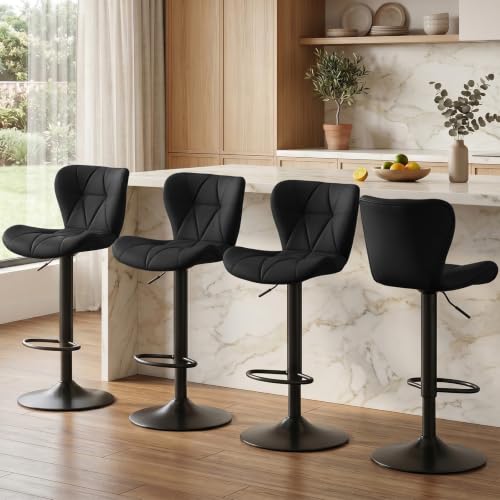
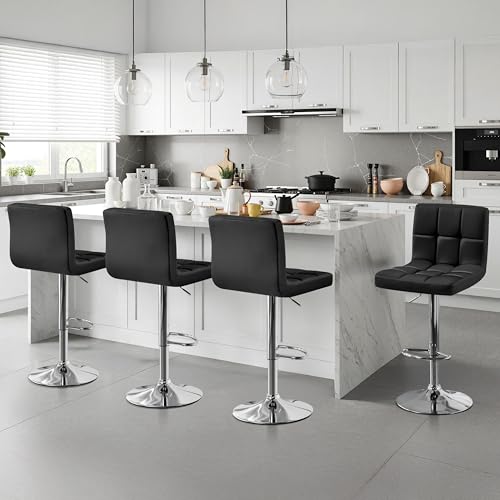
What Makes a Counter Stool "Adjustable"?
An adjustable counter height stool uses a built-in mechanism to raise or lower the seat within a defined range, typically spanning the counter-to-bar height gap. Instead of committing to one fixed seat height, you get a stool that can be tuned to the person sitting on it and the surface it sits beneath.
This flexibility matters in real homes. Counter surfaces, kitchen islands, and peninsula overhangs are not standardized across builders, and household members rarely share the same leg length. An adjustable stool resolves both problems at once, which is why it has become one of the most practical seating categories for busy kitchens.
The Three Main Adjustment Mechanisms
Nearly every adjustable stool on the market relies on one of three systems. Understanding them is the single most important decision in this category, because the mechanism determines how the stool feels, how durable it is, and how often you can adjust it without wear.
Gas Lift / Pneumatic
A lever releases gas pressure to glide the seat up or down, similar to an office chair. Smooth, fast, and ideal for frequent adjustment. Mid-range and premium models use higher-grade cylinders for longer service life.
Screw / Threaded Post
The seat rotates up or down along a threaded column. No moving gas parts, very durable, and common on entry-level and mid-tier stools. Adjustment is slower but highly reliable and easy to maintain.
Pin-and-Hole Lock
The post slides inside a sleeve and locks with a pin at preset heights. Simple, stable, and tool-free. Best for households that set a height once and leave it, rather than adjusting daily.
Gas lift stools offer the most effortless adjustment and are the preferred choice for shared seating where children and adults alternate. Screw and pin-lock mechanisms are generally more robust and easier to repair, making them a solid long-term investment for households that rarely change the height.
Counter Height vs. Bar Height: Sizing Rules That Prevent Mistakes
The most common buying error in this category is choosing a stool that does not leave enough legroom under the surface. Adjustability helps, but it cannot fix a fundamentally wrong stool for the space. Use these ranges as your starting point.
| Surface Type | Typical Surface Height | Ideal Seat Height | Best For |
|---|---|---|---|
| Standard dining table | 28–30 inches | 17–19 inches | Standard dining chairs |
| Counter-height island | 34–36 inches | 24–26 inches | Adjustable counter height stools |
| Bar-height counter | 40–42 inches | 28–30 inches | Adjustable bar stools |
| Extra-tall bar | 44+ inches | 30+ inches | Tall adjustable stools |
The general rule: leave 9 to 12 inches of clearance between the top of the seat and the underside of the counter. Less than 9 inches and your legs feel compressed; more than 12 inches and the seat feels disconnected from the surface. An adjustable stool is most useful when its range covers the 24–26 inch counter zone and can extend slightly upward for taller household members or a future bar-height renovation.
If your island shares space with a dining table, consider how the two seating heights will look side by side. A well-chosen adjustable height stool can bridge the visual gap between a lower dining arrangement and a higher counter, keeping the open-plan room cohesive.
Seat Design: Where Comfort Is Won or Lost
The mechanism controls height, but the seat controls how the stool actually feels after thirty minutes of sitting. Counter stools are used for everything from quick breakfasts to long dinner parties, so the seat shape and cushioning deserve careful attention.
Backless vs. Backed Stools
Backless stools slide completely under the counter, which keeps sightlines open and works well in compact kitchens and apartment dining spaces. The trade-off is support: backless designs are fine for short sits but less comfortable for lingering meals. Low-back stools offer a middle ground, while full-back adjustable stools give the closest experience to a dining chair and suit households that use the counter as a primary eating surface.
Cushioning and Upholstery
Firm, high-density foam holds its shape over years; soft foam feels plush in the showroom but compresses quickly under daily use. Upholstery choices matter too. Bonded leather and performance fabrics resist spills and wipe clean, while woven textiles offer more warmth and texture but need more care in a kitchen environment. Look for removable or tightly tailored covers if the stool will sit near cooking zones.
Swivel or Fixed Seat
A swivel seat makes it easy to turn toward the conversation, the cook, or the television without dragging the stool. Many adjustable stools combine a gas lift with a full 360-degree swivel, which is the most flexible configuration for open-plan rooms. Fixed seats feel more anchored and are slightly simpler mechanically, but they demand more floor space for getting in and out.
Materials and Build Quality by Tier
Stool construction varies widely, and the differences show up over years rather than weeks. Rather than focusing on any single number, compare stools by tier and by the specific components that wear out first: the lift cylinder, the footrest welds, and the base.
| Tier | Typical Build | Best For |
|---|---|---|
| Entry-level | Screw or pin-lock adjustment, lighter steel frame, basic foam seat, powder-coated finish | Occasional seating, guest counters, starter kitchens |
| Mid-range | Gas lift with reinforced cylinder, solid wood or high-grade steel frame, denser foam, better upholstery | Daily family use, shared counters, busy breakfast bars |
| Premium | Heavy-duty gas lift, welded steel or hardwood base, premium upholstery, smooth swivel, refined finishing | Primary eating counters, design-forward kitchens, long-term use |
| Commercial-grade | Reinforced frame, tested lift cycles, contract-grade fabrics, replaceable components | Home bars with heavy traffic, rental properties, hospitality-style setups |
Mid-range models usually strike the best balance: the gas lift is smoother and longer-lasting than entry-level cylinders, the frame tolerates daily use, and the upholstery resists everyday spills. Premium and commercial-grade stools are worthwhile investments when the counter is the main eating surface and the stool will be adjusted multiple times per day.
Frame material deserves its own check. Solid wood frames bring warmth and suit modern farmhouse and mid-century modern interiors. Steel and aluminum frames are lighter and often more stable for swivel designs. Whatever the material, look for a footrest that is welded rather than screwed into the legs, since the footrest absorbs most of the stress in daily use.
Matching Stools to Your Kitchen and Dining Space
Adjustable stools are unusually versatile, which is exactly why they can be mismatched to a room. A few placement principles keep the result functional and visually calm.
- Allow 6 inches between stools so elbows and knees have room, and about 12 inches of clearance behind the stool for pushing back.
- Match the seat count to the overhang. A typical island seats two to three stools; wider counters can accommodate four if the overhang is deep enough.
- Keep sightlines open in small rooms. Backless adjustable stools preserve visual space in compact kitchens and small dining rooms that double as prep areas.
- Carry the material through the room. A wood-toned stool echoes a dining table, while a metal stool ties into appliance finishes.
- Think about lighting. Adjustable stools under pendant lighting look best when the seat height keeps heads below the fixture line, as covered in our dining lighting guide.
In open-plan layouts, the stool becomes part of the dining composition. Choose a silhouette that relates to the main table and chairs rather than competing with them, and repeat one material or finish so the counter seating reads as an extension of the dining area rather than a separate purchase.
Maintenance and Longevity
Adjustable stools have one component that fixed stools do not: the lift mechanism. Protecting it is the key to a long service life.
Wipe the post and cylinder area monthly to remove kitchen grease and dust, which can make gas lifts sticky. Avoid dropping the seat from full height, since impact stress is the leading cause of cylinder failure. For screw and pin mechanisms, a light application of silicone lubricant on the threads keeps adjustment smooth without attracting grit. Upholstery should be vacuumed regularly and spot-cleaned according to the fabric code, and wooden frames benefit from the same care routine as other dining furniture.
If a gas cylinder eventually loses pressure, many mid-range and premium stools allow the cylinder to be replaced rather than discarding the entire stool, which makes them a more sustainable long-term choice. Our care and maintenance guides cover the details for both metal and upholstered seating.
Common Buying Mistakes to Avoid
- Buying bar-height stools for a counter-height island. Always measure the surface first, then match the stool's adjustment range to it.
- Ignoring the footrest. A footrest that sits too high or too low causes leg fatigue; it should fall naturally under the arch of the foot at the chosen height.
- Overlooking the swivel base diameter. Wider bases are more stable but need more floor space, which matters in tight kitchens.
- Choosing cushioning by showroom feel alone. Firm foam usually outlasts soft foam in a kitchen environment.
- Mixing too many finishes. Repeat one or two materials so the counter seating feels intentional.
Quick Pre-Purchase Checklist
- Measure the counter height and confirm the stool's adjustment range covers it.
- Verify 9–12 inches of clearance between seat top and counter underside.
- Decide between gas lift, screw, or pin-lock based on how often you will adjust.
- Choose backless for compact spaces, backed for long meals.
- Check that the footrest is welded and positioned comfortably.
- Confirm the base diameter fits your floor space and traffic flow.
- Review upholstery care requirements against your household's spill risk.
Frequently Asked Questions
Can adjustable counter height stools be used at a bar-height counter?
Only if the adjustment range extends high enough. Counter stools typically adjust around 24–26 inches, while bar counters need seats around 28–30 inches. Choose a stool whose upper range reaches your surface, and confirm it still leaves 9–12 inches of clearance.
Is a gas lift or a screw mechanism better?
Gas lift is better for frequent adjustment and shared seating because it moves smoothly and quickly. Screw mechanisms are more durable and simpler to maintain, making them a solid choice for households that set a height once and rarely change it.
How many stools fit at a kitchen island?
Allow about 24 inches of width per stool with 6 inches between them. A typical island seats two to three stools; a wider island can seat four if the overhang is deep enough for comfortable legroom.
Do adjustable stools wobble over time?
Quality matters here. Mid-range and premium stools with reinforced posts and wide bases stay stable for years. Entry-level stools with lighter frames and thin posts are more prone to loosening under daily use, especially with swivel mechanisms.
Should I choose backless or backed adjustable stools?
Backless stools save visual space and slide fully under the counter, ideal for compact kitchens. Backed stools provide support for longer meals and suit counters used as a primary eating surface. Low-back designs offer a practical middle ground.
Ready to Compare Adjustable Counter Height Stools?
Browse our curated selection of adjustable counter height stools and compare mechanisms, seat styles, and build quality side by side before you decide.
Explore Options