
Adjustable Height Stool: The Complete Buying Guide
One stool, many surfaces. Learn how adjustable height stools work, which heights and mechanisms suit your kitchen island or bar, and how to choose a model that stays comfortable and stable for years.
Explore Recommended ModelsWhy adjustable height stools matter: Fixed-height stools force you to match your seating to one specific counter or bar height. An adjustable height stool adapts to kitchen islands, breakfast bars, home bars, and even changing households — giving you flexibility that fixed stools simply cannot match. This guide walks you through the mechanisms, height ranges, seat designs, and materials so you can buy with confidence.
What Is an Adjustable Height Stool?
An adjustable height stool is a seating piece whose seat height can be raised or lowered within a defined range. Instead of committing to a single counter height or bar height, you get a stool that can serve multiple surfaces in the same room — or move with you when you rearrange your kitchen or upgrade your island.
These stools are especially useful in open-concept homes where a kitchen island, a peninsula, and a breakfast bar may all sit at slightly different heights. They are also a practical choice for households with members of different statures, since each person can set the seat to their preferred position. If you are weighing fixed versus adjustable options, our broader guide to adjustable height bar chairs covers the trade-offs in more detail.
How Adjustable Mechanisms Work
The adjustment mechanism is the heart of any adjustable height stool. The three most common systems behave very differently in daily use, so it helps to understand each before you buy.
Gas Lift (Pneumatic) Adjustment
A gas lift uses a pressurized cylinder — the same principle as an office chair — to raise and lower the seat with a lever under the seat. It is the smoothest and fastest system, allowing instant height changes with one hand. Mid-range and premium gas lift stools typically use higher-grade cylinders with reinforced bases for stability. This is the most popular mechanism for kitchen and bar stools that need frequent height changes.
Screw and Twist Adjustment
A threaded column lets you spin the seat up or down to the desired height, then lock it in place. Screw mechanisms are simple, durable, and very stable once set, but they are slower to adjust and less convenient if you change heights often. They are common on entry-level and mid-range models and are a solid choice for a stool that stays at one height most of the time.
Pin and Slot Adjustment
A metal pin engages one of several slots in the column to set the height. This system is robust, easy to repair, and common on utility stools and some outdoor models. The trade-off is that height changes happen in discrete steps rather than continuously, so you may not get an exact fit for every surface.
Height Ranges and How to Measure
Getting the height right is the single most important decision in stool shopping. The goal is to leave roughly 9 to 12 inches of clearance between the top of the seat and the underside of your counter or bar. Too little clearance and your legs feel cramped; too much and the stool feels disconnected from the surface.
Measure from the floor to the top of your counter or bar, then subtract your target clearance to find the seat height you need. An adjustable stool should have a range that comfortably includes that number, with some room on either side.
| Surface Type | Typical Surface Height | Target Seat Height | Best For |
|---|---|---|---|
| Standard dining table | About 30 inches | About 18–19 inches | Dining rooms, breakfast nooks |
| Counter height island | About 36 inches | About 24–26 inches | Kitchen islands, peninsulas |
| Bar height counter | About 42 inches | About 28–30 inches | Home bars, raised counters |
| Extra-tall bar | About 45 inches or more | About 32–34 inches | Commercial-style bars, tall counters |
Many adjustable stools span two categories — for example, a range of 24 to 30 inches covers both counter height and bar height surfaces. That flexibility is exactly why adjustable models are so useful in mixed-height kitchens. If your space includes a counter height island and a taller bar, a single adjustable model can serve both. For a deeper look at counter-specific options, see our guide to adjustable counter height stools.
Seat Design, Comfort, and Support
Seat design determines how long you can comfortably sit. Consider these factors:
- Seat shape: Round seats suit compact spaces and swivel easily; square and saddle seats offer more surface area and support for longer sitting sessions.
- Cushioning: Padded seats with high-density foam hold their shape better over time. Entry-level models often use thinner padding, while mid-range and premium stools add layered foam and upholstery in leather, faux leather, or performance fabric.
- Back support: Low backrests and full backs help with posture during meals. Backless stools tuck neatly under the counter and keep sightlines open in small spaces. If you want back support, browse our adjustable bar chairs with backs.
- Footrest: A built-in footrest reduces pressure on your legs and keeps you stable when seated. It is one of the most overlooked comfort features on any stool.
- Swivel: A swivel seat makes it easy to turn toward the conversation or the kitchen. Many gas lift stools swivel by default, while screw and pin models often do not.
Materials, Frames, and Durability
An adjustable stool carries your body weight plus the stress of frequent height changes, so the frame matters as much as the seat. Look for these material signals:
- Steel frames: High-grade steel with a powder-coated finish offers the best combination of strength and corrosion resistance. Reinforced bases add stability, especially at taller settings.
- Aluminum frames: Lighter and rust-resistant, aluminum suits outdoor and balcony use when paired with weather-resistant coatings.
- Wood and composite seats: Solid wood seats add warmth and pair well with farmhouse and mid-century interiors. Check that the wood is sealed against moisture.
- Upholstery: Faux leather is easy to wipe clean and suits family kitchens; performance fabrics resist stains; genuine leather develops patina over time but needs more care.
- Outdoor-rated finishes: For patios and covered outdoor bars, choose stools with rust-proof finishes and UV-stable materials. Our guide to acrylic bar stools covers a weather-friendly option for modern outdoor spaces.
How to Choose the Right Adjustable Height Stool
Use this ordered checklist to narrow your options quickly and avoid the most common buying mistakes.
Selection Checklist
- Measure first: Note every surface height in your kitchen or bar area, then pick a stool whose adjustable range covers all of them.
- Match the mechanism to your habits: Frequent height changes favor a gas lift; a stool that stays put favors a screw or pin system.
- Check the base: A wider, reinforced base improves stability at taller heights, especially on hardwood floors.
- Confirm seat comfort: Sit for at least a few minutes before buying, or read reviews that mention long-sitting comfort and foam durability.
- Consider the room: Backless stools keep sightlines open; stools with backs suit dining-height counters where people linger. Match the finish to your kitchen cabinetry and countertop tones.
- Plan for the household: If children or older adults use the stools, prioritize stable bases, secure locking mechanisms, and easy-to-clean upholstery.
- Verify the weight rating: Check the manufacturer's weight capacity and choose a stool with margin above your heaviest user.
Comparing Adjustable Stool Tiers
Adjustable stools fall into broad tiers that reflect construction quality, mechanism smoothness, and material refinement. The table below summarizes what each tier typically delivers so you can align the purchase with your expectations.
| Tier | Typical Mechanism | Materials | Best For |
|---|---|---|---|
| Entry-level | Screw or pin adjustment | Steel frame, basic padding, vinyl seat | Occasional seating, utility use, starter kitchens |
| Mid-range | Gas lift with lever | Reinforced steel, high-density foam, faux leather | Daily family use, kitchen islands, breakfast bars |
| Premium | High-grade gas lift, smooth swivel | Heavy-duty base, layered cushioning, performance fabric or leather | Frequent use, open-concept homes, design-led kitchens |
| Professional-grade | Commercial-rated gas cylinder | Commercial steel, reinforced welds, contract-grade upholstery | Home bars with heavy traffic, hospitality-style setups |
Across tiers, the most noticeable differences are mechanism smoothness, base stability, and how well the cushion retains its shape after months of use. A mid-range gas lift stool usually feels noticeably smoother than an entry-level screw model, while premium and professional-grade stools add the stability and finish quality that suit daily, long-term use.
Where Adjustable Height Stools Work Best
Adjustable stools shine in spaces where surfaces vary or where seating needs change. Popular placements include:
- Kitchen islands: The most common home for adjustable stools. A range of 24 to 30 inches covers most island heights and lets you fine-tune comfort.
- Breakfast bars and peninsulas: Backless adjustable stools tuck under the overhang and keep the kitchen sightline open.
- Home bars: Taller adjustable ranges suit raised bar counters, and swivel seats make serving easier.
- Multi-height open-plan kitchens: One adjustable model can serve an island, a bar, and a casual counter without buying three separate stool sizes.
- Outdoor covered bars: Choose outdoor-rated adjustable stools for patios and balconies, and keep indoor models away from moisture.
If your space is tight, backless models store neatly under the counter and reduce visual clutter. For larger islands, mixing a pair of adjustable stools with fixed counter stools can create a layered, intentional look.
Safety, Care, and Long-Term Use
Adjustable stools are mechanically simple, but a few habits keep them safe and comfortable for years:
- Lock the mechanism: Make sure the height lock engages fully before sitting. On gas lift models, listen for the click and test the seat before transferring weight.
- Check the base regularly: Tighten bolts and inspect welds every few months, especially on stools used daily.
- Protect the finish: Wipe spills promptly and use felt pads under metal feet on hardwood floors to prevent scratches.
- Care for upholstery: Vacuum fabric seats monthly and wipe faux leather with a damp cloth. Avoid harsh solvents that can crack the surface.
- Keep gas lifts dry: Indoor gas lift stools should not be stored outdoors or in damp spaces, as moisture can corrode the cylinder.
With basic care, a well-built adjustable stool can serve as a long-term investment across multiple homes and kitchen layouts.
Recommended Adjustable Height Stools
⚠️ AFFILIATE DISCLOSURE: This website contains affiliate links. As an affiliate Associate, we earn from qualifying purchases. If you make a purchase through these links, we may receive a small commission at no additional cost to you. Read our full affiliate policy.

Brick Attic Drafting Chair with Backrest – Adjustable Foot Rest Rolling Stool with Wheels, PU Leather Swivel Stool for Office Spa Studio Lab Counter Salon Home Work Bar Kitchen Shop(Black)
Check price on Amazon
BFTOU Black 6-Square Lattice PU Swivel Stool with Wheel for Work SPA Shop Massage Height-Adjustable Rolling Stool Chair
Check price on Amazon
FURWOO Round Rolling Stool Height Adjustable Stool with Wheels for Spa Salon Massage Black
Check price on Amazon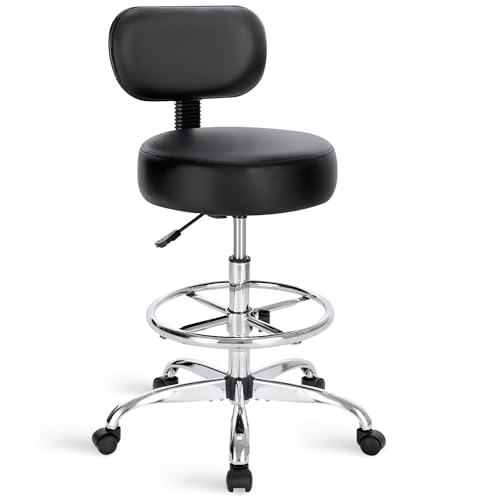
SUPERJARE Drafting Chair with Backrest, Adjustable Foot Rest Rolling Stool | Multi-Purpose Shop Stool, Drafting Stool, Office Desk Chair, Bar Stools with Thick Seat Cushion for Home Bar Kitchen, Black
Check price on Amazon
FreekyFit Shop Stool with Backrest, Mechanic Garage Stool for Workshop, Adjustable Shop Stools Chair, Padded Workbench Stools for Men Women, 300 LBS Capacity, 360° Swivel PVC Seat, Heavy Duty, Black
Check price on Amazon
Nalupatio Modern Bar Stools Set of 2, Adjustable Faux Leather Upholstered Swivel Bar Stools, Counter Height Bar Chairs with Back for Kitchen Island, Black
Check price on Amazon
WORKPRO Heavy Duty Adjustable Hydraulic Shop Stool,Garage Bar Stool, 29in to 33.86in, 330-Pound Capacity, Black
Check price on Amazon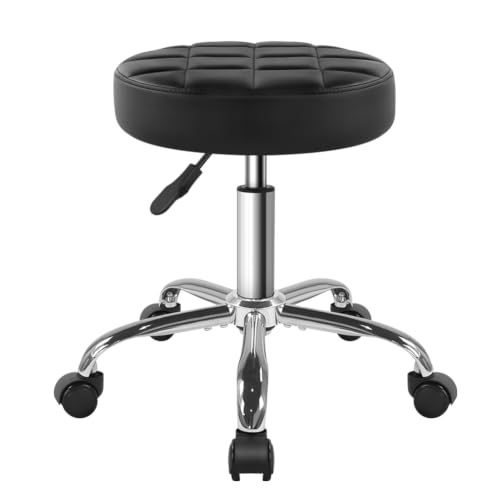
BFTOU Black Classic Swivel Stool with Wheel for Salon Work Home SPA Shop Height-Adjustable Rolling Stool Chair Small
Check price on AmazonFrequently Asked Questions
What is the difference between a counter height stool and a bar height stool?
Counter height stools are designed for surfaces around 36 inches high, while bar height stools suit surfaces around 42 inches high. An adjustable height stool can often bridge both ranges, making it a flexible option for kitchens with mixed seating surfaces.
How do I measure for an adjustable height stool?
Measure the height of your counter or bar from the floor to the top surface, then allow roughly 9 to 12 inches of clearance between the seat and the underside of the surface. Choose a stool whose adjustable range includes that target seat height.
Are gas lift adjustable stools durable for daily use?
High-grade gas lift mechanisms from reputable manufacturers are durable for everyday residential use. Look for reinforced bases and quality cylinders, and consider professional-grade models for heavy daily traffic or commercial settings.
Can adjustable height stools be used outdoors?
Only if the stool is explicitly rated for outdoor use. Outdoor models typically feature weather-resistant coatings, rust-proof finishes, and UV-stable materials. Indoor gas lift stools should not be exposed to moisture and direct sun.
Final Thoughts
An adjustable height stool is one of the most versatile seating investments you can make for a kitchen or bar area. Start with accurate measurements, match the mechanism to how often you will change heights, and prioritize base stability and seat comfort over cosmetic details. Whether you need a single stool for a breakfast bar or a set of four for a busy island, the right adjustable model adapts to your space instead of forcing your space to adapt to it.
For related seating and layout guidance, explore our guides to adjustable chairs, adjustable folding tables, and small dining room layouts to complete your kitchen and dining setup.