
Antique Buffet: A Complete Guide to Buying a Timeless Sideboard
Learn how to evaluate antique buffets by era, wood type, construction, and finish. Understand what to inspect before you commit and how to care for a piece that will serve your dining room for decades.
Why an antique buffet? An antique buffet — also called a sideboard or server — is more than storage. It brings patina, history, and craftsmanship that new furniture rarely replicates. But buying one requires knowing what you are looking at. This guide walks you through the styles, materials, and inspection steps so you can choose with confidence.
What Counts as an Antique Buffet?
An antique buffet is a dining room storage piece, typically with drawers, cabinets, or both, designed to hold serveware, linens, and bottles. The term "buffet" and antique sideboard are often used interchangeably, though a buffet usually sits lower and wider, while a sideboard can be slightly taller with more vertical storage. True antiques are generally defined as pieces at least 100 years old, but the market also uses "vintage" for mid-century pieces and "antique-style" for modern reproductions.
Understanding which category a piece falls into matters for both authenticity and maintenance. A genuine antique carries historical value and often uses old-growth wood. A vintage piece may offer similar character with more forgiving construction. A reproduction can look the part but will not develop the same patina.
Antique Buffet Styles by Era
Style is the fastest way to narrow your search. Each era has recognizable hallmarks that affect both look and function.
Georgian & Colonial
Clean lines, bracket feet, and mahogany or walnut construction. Often features brass hardware and delicate inlay. These pieces suit formal dining rooms and pair well with traditional seating.
Victorian & Edwardian
Ornate carving, turned legs, and heavier proportions. Oak and walnut dominate. Look for marble tops on higher-end examples. These buffets make strong focal points in larger rooms.
Mid-Century & Art Deco
Sleek profiles, tapered legs, and geometric detail. Teak, rosewood, and walnut are common. These pieces integrate easily with contemporary interiors and open-concept spaces.
Wood Types and What They Mean for Durability
The wood species affects grain, weight, and how the piece ages. It also influences how much restoration work you can reasonably expect.
Mahogany
Dense, stable, and resistant to warping. Rich reddish-brown tone that deepens with age. Common in Georgian and Colonial buffets. A durable construction choice for long-term use.
Walnut
Strong with a distinctive grain. Ranges from light brown to deep chocolate. Frequently used in Victorian and mid-century pieces. Takes refinishing well when the veneer is intact.
Oak
Heavy-duty and hard-wearing. Prominent grain and a warm tone. Common in farmhouse and Victorian buffets. Solid oak construction is among the most resilient options in the category.
Cherry
Fine grain and a warm patina that darkens over time. Common in American colonial and Federal styles. Solid cherry is a premium material and holds up well in daily use.
How to Inspect Construction Before You Commit
A careful inspection protects you from hidden damage. Bring a flashlight, a small magnet, and a tape measure. Focus on these areas:
- Joinery: Dovetail joints in drawers indicate quality. Look for tight fits and consistent spacing. Nails or staples in drawer sides suggest later repairs or lower-grade construction.
- Veneer: Run your hand across surfaces to feel for lifting or bubbles. Check edges for chipping. High-quality veneer is durable, but repairs are difficult once it lifts.
- Drawer glides: Wood-on-wood runners are common in true antiques. Test each drawer for smooth movement and check for excessive wear or cracks in the runners.
- Legs and feet: Wobble often signals loose joinery or replaced feet. Check for cracks near the joints and look for signs of woodworm, especially in older oak pieces.
- Finish: Original finish preserves value. Restored finishes are acceptable if done well, but heavy refinishing can reduce historical integrity. Ask what has been changed.
- Hardware: Original brass or wood pulls add authenticity. Replacement hardware is fine for function but note it in your assessment.
Comparing Antique Buffets by Market Tier
Instead of thinking in currency, compare pieces by their position in the market. This table uses universal tier descriptors so the guidance stays relevant regardless of where you shop.
| Tier | Typical Characteristics | Best For | What to Expect |
|---|---|---|---|
| Entry-level | Antique-style reproduction, veneered panels, basic hardware | First dining room, rental spaces | Good looks, lighter construction, limited patina |
| Mid-tier | Vintage solid wood, some original hardware, minor restoration | Everyday family dining, mix-and-match interiors | Solid build, character, manageable maintenance |
| High-end tier | True antique, original finish, dovetail joinery, quality veneer | Formal dining rooms, collectors | Historical value, durable construction, care required |
| Top-tier / museum-grade | Documented provenance, rare wood, untouched original condition | Collectors, period-specific interiors | Investment-grade, expert handling and insurance advised |
Sizing and Placement in Your Dining Room
Measure before you fall in love with a piece. A buffet that is too deep will crowd your walkway; one that is too tall can overpower a small room.
- Depth: Allow at least 36 inches of clearance in front of the buffet so drawers and doors can open and people can pass.
- Height: A buffet top should sit around 32 to 36 inches from the floor so it works as a serving surface. Taller sideboards suit rooms with high ceilings.
- Width: Match the width to your wall or to the dining table. A common guideline is roughly two-thirds the width of the table for visual balance.
- Doorway clearance: Measure the narrowest doorway and stairwell on the delivery path. Antique buffets are often deeper than they appear.
If your dining room doubles as a workspace or family hub, consider how the buffet supports daily life. A piece with deep drawers works well for linens and serveware, while open shelves display dinnerware. For related storage ideas, explore our antique sideboard buffet guide and our broader buffets and sideboards resources.
Caring for an Antique Buffet
Proper care preserves both function and value. Antique wood responds to its environment, so consistency matters more than intensity.
- Keep the piece away from direct sunlight and heat sources to prevent fading and cracking.
- Maintain stable humidity where possible. Large swings cause wood to expand and contract.
- Dust with a soft, dry cloth. Use a pH-neutral wood cleaner sparingly on stubborn spots.
- Avoid silicone-based polishes, which can build up and trap dust.
- Use coasters, trivets, and table runners to protect the surface during meals and entertaining.
- Check hardware periodically and tighten screws gently. Never overtighten old brass or wood threads.
For broader care guidance, see our dining care and maintenance section. If you plan to pair the buffet with seating, our antique chairs guide can help you match styles without clashing.
Pairing an Antique Buffet with Tables and Chairs
An antique buffet works best when it anchors the room rather than fighting it. Choose a dining table that leaves breathing room and a chair style that echoes or complements the buffet's era.
For a classic look, pair a mahogany buffet with a antique dining table. For a more eclectic approach, a mid-century buffet can sit comfortably beside a simpler modern table. If you are still choosing a table size, our six-person dining table and eight-person dining table guides explain how to balance proportions. And if you are building a full set, the seven-piece dining room set with china cabinet article shows how storage and seating work together.
Ready to Compare Antique Buffets?
Use the checklist above, then explore curated options that match your tier and style. Compare features, construction, and availability in one place.
Explore Antique Buffet OptionsRecommended Antique Buffet & Sideboard Products
⚠️ AFFILIATE DISCLOSURE: This website contains affiliate links. As an affiliate Associate, we earn from qualifying purchases. If you make a purchase through these links, we may receive a small commission at no additional cost to you. Read our full affiliate policy.

SILKYDRY Buffet Cabinet, 47" Vintage Sideboard w/ Adjustable Shelves(Green) | Mid Century Credenza w/ 3 Drawers,2 Doors,Anti-tip Kits; Accent Storage Cabinet for Dining&Living Room,Entryway & Coffee Bar
Check price on Amazon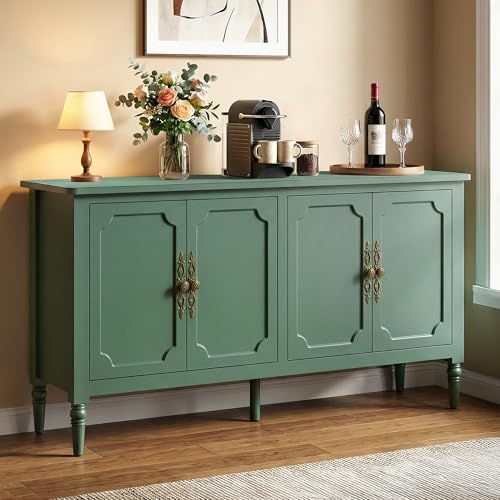
RoyalCraft Buffet Cabinet with Storage, 59" Painted Sideboard Coffee Bar | Vintage Kitchen Storage Cabinet with Adjustable Shelves, Mid Century Modern Credenza for Dining& Living Room, Entryway, Green
Check price on Amazon
FUSUNBAO 57" Fluted Sideboard Buffet,Retro Storage Cabinet, Walnut | 3 Drawers and 4 Doors, Vintage Fluted with Scalloped Base, Organic Modern Accent Cabinet, For Dining Room
Check price on Amazon
3More Vintage Carved Decorative 4 Door 60″ Sideboard Buffet Cabinet, Brown | Large Accent Storage Cabinet for Home Kitchen Dining Room , 3-Level Adjustable Shelves, Solid Pine Legs
Check price on Amazon
SILKYDRY Buffet Cabinet, 47" Vintage Sideboard w/ Adjustable Shelves(White) | Mid Century Credenza w/ 3 Drawers,2 Doors,Anti-tip Kits; Accent Storage Cabinet for Dining&Living Room,Entryway & Coffee Bar
Check price on Amazon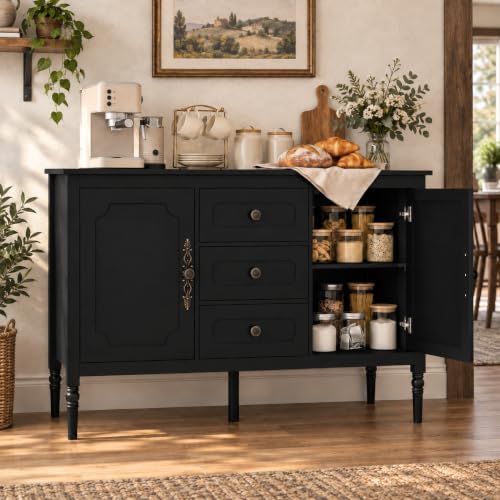
SILKYDRY Buffet Cabinet, 47" Vintage Sideboard w/ Adjustable Shelves(Black) | Mid Century Credenza w/ 3 Drawers,2 Doors,Anti-tip Kits; Accent Storage Cabinet for Dining&Living Room,Entryway & Coffee Bar
Check price on Amazon
RoyalCraft Buffet Cabinet with Storage, 59" Painted Sideboard Coffee Bar | Vintage Kitchen Storage Cabinet with Adjustable Shelves, Mid Century Modern Credenza for Dining& Living Room, Entryway, Black
Check price on Amazon
MOIANJI 59" Vintage Sideboard Buffet Cabinet with Adjustable Shelves, Brown | Mid Century Accent Cabinet with open shelves, Credenza Storage Cabinet for Living Room, Coffee bar, TV Stand, kitchen
Check price on AmazonFrequently Asked Questions About Antique Buffets
What should I check before buying an antique buffet?
Inspect the joinery, drawer glides, veneer condition, and signs of woodworm or water damage. Confirm whether the finish is original or restored, and measure your space and doorway clearance before committing.
Which wood types are common in antique buffets?
Mahogany, walnut, oak, and cherry are common. Each wood has distinct grain and patina characteristics. Solid wood construction generally holds up better than veneered pieces, though high-quality veneer can be durable when well maintained.
How do I care for an antique buffet?
Keep it away from direct sunlight and humidity swings, dust regularly with a soft cloth, and use a pH-neutral wood cleaner sparingly. Avoid silicone-based polishes and always use coasters and trivets to protect the surface.
Can I mix an antique buffet with modern furniture?
Yes. Mixing eras is a common design approach. Anchor the room with the buffet and choose a table or chairs that share a similar wood tone or line quality. Keep the palette cohesive to avoid visual clutter.
Is a vintage buffet a good alternative to a true antique?
Often, yes. Vintage pieces from the mid-century era offer solid construction and character, with fewer restoration concerns than older antiques. They are a balanced-tier choice for households that want timeless style with everyday durability.
Final takeaway: An antique buffet is a long-term investment in your dining room's character. Focus on construction, wood species, and fit rather than trends. When you inspect carefully and measure your space, you choose a piece that serves meals, holidays, and everyday storage for years to come.