
Bench for Sale: The Complete Buying Guide
A dining bench is one of the smartest seating choices you can make. It seats more people than individual chairs, tucks neatly under the table, and adds a relaxed, welcoming look to your dining space. This guide walks you through every decision so you can choose the right bench with confidence.
Why consider a dining bench? Benches are space-efficient, family-friendly, and visually lighter than a row of chairs. They work in formal dining rooms, casual breakfast nooks, and open-plan kitchens alike. The key is matching the bench to your table height, your room dimensions, and the way your household actually uses the space.
Understanding Bench Types Before You Buy
Before you start comparing listings, it helps to know the main categories. Each style solves a different problem, and the right choice depends on your room and your routine.
Backless Dining Benches
A backless bench is the most versatile option. Without a backrest, it slides completely under the table, freeing up floor space in compact dining rooms and kitchens. This style works especially well alongside a dining room bench setup where you want a clean sightline across the room. Backless benches also double as extra seating in hallways or entryways when not in use at the table.
Benches With Backs
If comfort during long meals matters, a bench with a backrest is the better fit. These models resemble a sofa or settee and offer support for the lower back. They are popular in farmhouse and transitional dining rooms, and they pair naturally with a banquette dining set for a coordinated look. Keep in mind that a backrest adds depth, so measure your clearance carefully.
Storage Benches
A storage bench combines seating with concealed compartments for table linens, serving trays, or seasonal decor. Lift-top and flip-top designs are the most common. This is a strong choice for smaller homes where every piece of furniture needs to earn its place. A bench with storage underneath keeps clutter out of sight while adding useful seating at the table.
Upholstered and Cushioned Benches
An upholstered bench brings warmth and comfort to a dining room. Look for high-density foam and a durable fabric if the bench sees daily use. Performance fabrics resist stains and are easy to wipe clean, which matters in households with children. A kitchen bench with storage in an upholstered finish can serve double duty as casual seating and a catch-all for everyday items.
How to Match a Bench to Your Dining Table
Fit is everything. A bench that is too tall or too short makes every meal uncomfortable, no matter how good it looks.
- Seat height: The bench seat should sit roughly 10 to 12 inches below the table apron. For a standard 30-inch dining table, a bench seat around 18 inches high is a reliable starting point.
- Width: A bench should be slightly shorter than your table length so guests can slide in from the ends. Leave at least a few inches of overhang on each side.
- Depth: Standard dining benches are about 14 to 16 inches deep. Deeper benches are more comfortable but take up more floor space.
- Style harmony: Match the wood tone or metal finish to your table frame. Mixed materials can look intentional when the tones are repeated elsewhere in the room.
If you are still deciding on the table itself, explore the full range of dining benches and seating options to see how different styles pair with popular table designs.
Materials and Construction: What Holds Up
Durability separates a bench that lasts a decade from one that wobbles within a year. Here is how the main materials compare.
| Material | Best For | Durability Notes |
|---|---|---|
| Solid wood | Family dining, long-term use | Heavy-duty construction with reinforced joinery; holds up to daily use |
| Metal frame with wood seat | Industrial and modern rooms | Rust-proof finish and high-grade steel resist wear; easy to clean |
| Upholstered frame | Comfort-focused dining rooms | Performance fabric and high-density foam extend service life |
| Engineered wood | Light-use spaces, starter tier | Solid build for the category but less resistant to moisture over time |
For a bench that will see daily family meals, prioritize a solid wood or metal frame with a reinforced seat base. These are the details that matter more than surface styling.
Bench Styles for Every Dining Space
Farmhouse and Rustic Benches
Warm wood tones and simple lines make farmhouse benches a natural fit for relaxed dining rooms. They pair well with trestle tables and add an inviting, lived-in feel. A bench with metal legs can bring a slightly more industrial edge to the same look.
Modern and Minimalist Benches
Clean silhouettes, slim legs, and neutral finishes define modern benches. These work best in open-plan spaces where visual clutter is kept to a minimum. A backless design in this style virtually disappears under the table, which is ideal for small apartments.
Banquette and Corner Benches
For breakfast nooks and kitchen corners, a banquette bench maximizes seating in an awkward footprint. A banquette seating for kitchen arrangement turns an unused corner into the most-used spot in the house. Corner configurations add even more seating without blocking traffic flow.
Multi-Function and Foldable Benches
Some benches convert into picnic tables or fold flat for storage. These are useful for households that entertain outdoors or need flexible furniture. A bench that folds out into a picnic table is a practical choice for dual indoor-outdoor use.
Comfort and Ergonomics
Seating comfort is not a luxury—it determines whether guests linger at the table or rush away. Three factors matter most:
- Seat depth and contour: A gently contoured seat distributes weight more evenly than a flat plank. If you choose a flat bench, add a cushion.
- Cushion thickness: A cushion of about 2 to 3 inches provides meaningful comfort without raising the seat height too much.
- Footrest or stretcher: A lower stretcher bar gives shorter guests a place to rest their feet, which improves posture over a long meal.
If you plan to add cushions, a back chair cushion style can be adapted for bench use, or choose a bench designed with a removable pad.
Placement and Room Planning
Think about traffic flow before you commit. A bench along one side of the table is the most common arrangement, but it is not the only option.
- Against a wall: Saves the most floor space and works well in narrow dining rooms.
- Floating on one side: Creates a symmetrical look with chairs on the opposite side and allows access from both ends.
- In a corner: A corner banquette uses space that would otherwise be dead zone.
Leave at least 30 inches of clearance between the bench edge and any wall or furniture behind it so people can slide in and out comfortably.
Quick Buying Checklist
- Measure your table height and confirm the bench seat height.
- Check the weight capacity and frame joinery details.
- Decide between backless, backed, or storage designs.
- Confirm the material suits your household's daily use.
- Plan the placement and required clearance before ordering.
Frequently Asked Questions
What should I look for when buying a dining bench?
Focus on frame construction, weight capacity, material durability, and dimensions that match your dining table height. A bench with storage adds functionality, while backless designs tuck neatly under the table for compact spaces.
How do I match a bench to my dining table?
Seat height is the most important factor. The bench seat should sit roughly 10 to 12 inches below the table apron so guests have comfortable legroom. Match the bench width to your table length and choose materials that complement your table finish.
Are storage benches practical for dining rooms?
Yes. A storage bench keeps table linens, serving pieces, and seasonal decor tucked away while providing extra seating. Lift-top and flip-top designs are the most common styles, and they work especially well in smaller dining rooms where every square foot counts.
Which bench material is best for family dining?
Solid wood frames with reinforced joinery hold up best to daily use. Upholstered seats add comfort but require a durable, easy-clean fabric in busy households. Metal legs on a wooden seat offer a sturdy, low-maintenance combination.
Recommended Bench for Sale Products
⚠️ AFFILIATE DISCLOSURE: This website contains affiliate links. As an affiliate Associate, we earn from qualifying purchases. If you make a purchase through these links, we may receive a small commission at no additional cost to you. Read our full affiliate policy.

FDW | 46" Outdoor Garden Bench | Black | 480lbs Load Capacity | Heavy Duty Metal Patio Bench with Grid Design | Rust & Weather-Resistant | For Lawn, Yard, Parks, Patio, Porch, Entryway
Check price on Amazon
Amazon Basics 6-Foot Portable Folding Bench with Carrying Handle, Safety Lock, Space-Saving Storage, for Indoor & Outdoor Use, Black
Check price on Amazon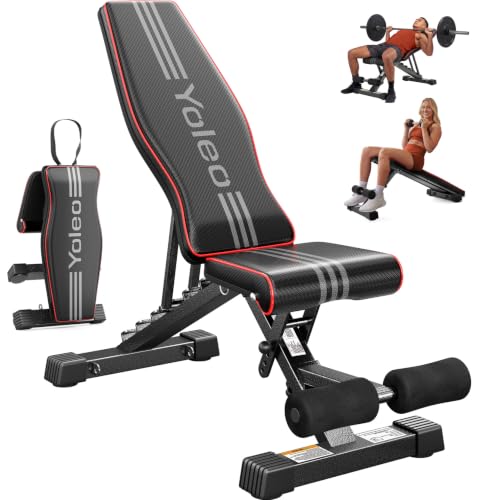
YOLEO Adjustable Weight Bench, ASTM-Certified 827LBS, 98% Pre-Assembled | Foldable Gym Bench with 84 Positions Incline Decline Flat, Wider Seat for Home Gym
Check price on Amazon
MAHANCRIS Dining Bench, Dining Table Bench, Industrial Kitchen Bench | 47.2 Inch Rustic Entryway Bench, Easy to Assemble, Steel Frame, for Kitchen, Living Room, Bedroom, Hallway, Rustic Brown
Check price on Amazon
Amazon Basics 6-Foot Portable Folding Bench with Carrying Handle, Safety Lock, Space-Saving Storage, for Indoor & Outdoor Use, White
Check price on Amazon
BSTOPHKL Outdoor Bench,Patio Garden Benches,Metal Weatherproof Porch Bench with Grid-Patterned Backrest and Armrest for Park Courtyard Porch,Bearing Capacity 480lbs,Black
Check price on AmazonFinal Thoughts
A bench is one of the most flexible pieces you can add to a dining room. It seats more people, saves space, and brings a casual warmth that chairs alone cannot match. Start with the measurements, choose a construction that matches your daily use, and pick a style that fits the room. Once those boxes are checked, the right bench for sale will serve your household for years of shared meals.