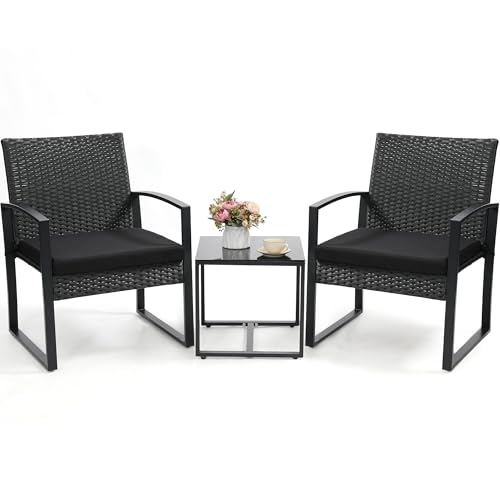
Why bistro table chairs deserve a closer look: A bistro set is one of the most versatile furniture investments you can make. It fits into spaces that a full dining set cannot reach — a kitchen corner, a balcony, a small apartment nook, or a sunlit patio. But not all bistro chairs are created equal. Seat height, frame material, back support, and weather resistance all determine whether your set becomes a daily favorite or a source of frustration. This guide walks you through every decision so you can buy with confidence.
What Exactly Is a Bistro Table and Chair Set?
The bistro set traces its roots to the small cafés of Paris, where space was limited and every table needed to serve quickly and comfortably. Today, a bistro table typically refers to a compact round, square, or rectangular table — often 24 to 32 inches in diameter or width — paired with two to four matching chairs. The chairs are usually lightweight, stackable or foldable, and designed to tuck neatly under the table when not in use.
What separates a bistro set from a standard dining set is scale and intent. A bistro table set is built for two to four people in a tight footprint. It is meant for coffee, breakfast, light meals, conversation, and sometimes work-from-home sessions — not for large holiday gatherings. That focused purpose is exactly why it works so well in small spaces.
If you are weighing whether a bistro set fits your room, our guide to indoor bistro sets breaks down layout options, while the outdoor bistro table and chairs guide covers weather-ready configurations for patios and balconies.
Sizing Your Bistro Table Chairs Correctly
Getting the dimensions right is the single most important step. A bistro chair that is too tall for its table forces you to hunch; one that is too short makes the table feel awkward. Here is a practical framework:
- Standard table height: Most bistro tables sit around 28 to 30 inches high. Pair them with chairs whose seat height is roughly 17 to 19 inches — the same ratio as a standard dining table and chair.
- Counter-height bistro sets: Tables around 34 to 36 inches pair with counter-height stools or chairs in the 24 to 26 inch seat-height range. For alternatives in this category, browse backless counter-height bar stools.
- Bar-height bistro sets: Tables near 40 to 42 inches pair with bar-height seating around 28 to 30 inches. Our 30-inch bar stools guide explains the fit in detail.
- Clearance: Leave at least 24 inches of chair pull-out space on the sides you use most, and about 12 inches between the table edge and any wall behind a chair.
Quick Measurement Tip
Measure the distance from the floor to the underside of your table apron — not just the tabletop. Your chair's seat plus the height of your thighs should clear that apron comfortably. A gap of roughly 10 to 12 inches between seat and tabletop is the sweet spot for most adults.
Choosing the Right Material for Bistro Chairs
Material choice affects durability, comfort, maintenance, and how the set feels in your space. Bistro chairs commonly fall into these material families:
Metal Frames — Aluminum, Steel, and Iron
Metal bistro chairs are the classic café choice. Powder-coated aluminum is lightweight, rust-resistant, and easy to move — ideal for balconies and patios. Steel is heavier and very stable, while wrought iron offers a traditional look with serious durability. Look for rust-proof finishes and reinforced weld points if the set will live outdoors. Pair metal chairs with a matching metal bistro folding table for a set that stores flat in seconds.
Wood and Rattan — Warmth and Texture
Wooden bistro chairs bring warmth and a natural feel to indoor kitchens and breakfast nooks. Solid hardwood frames with woven seats are a timeless combination. Rattan-style seating adds a breezy, coastal character that works especially well in sunrooms and covered patios. Keep in mind that natural wood needs occasional conditioning, and woven seats benefit from gentle cleaning to prevent drying and cracking.
Upholstered and Cushioned Seats
If you plan to sit for long coffee mornings or use the bistro set as a work spot, cushioned seats make a real difference. Faux-leather and performance-fabric cushions wipe clean easily, while bar stools with cushions show how much comfort a padded seat adds at higher heights. Removable, washable covers are a practical bonus for family households.
Bistro Chair Styles for Every Space
Bistro chairs come in a handful of recognizable silhouettes. Knowing the names helps you search smarter and match your existing décor:
- Classic café chairs: Round or square seats with curved backs, often in metal or rattan. The quintessential French bistro look.
- Backless stools and chairs: Tuck completely under the table and save visual space. See backless stools for compact options.
- Folding chairs: Perfect for balconies and tiny apartments where the set must disappear when not in use. Our folding bistro table guide covers the matching table side.
- Armchairs: A bistro armchair adds lounge-like comfort but needs a little more footprint. Ideal for a corner with breathing room.
- Swivel and adjustable chairs: Great for multi-use spaces where the set doubles as a desk or reading spot.
For a broader look at compact seating, the indoor bistro table and chairs collection page gathers the most popular configurations under one roof.
Bistro Chair Materials Compared
| Tier | Best For | Key Strengths | Considerations |
|---|---|---|---|
| Essential tier | Occasional indoor use, starter apartments | Lightweight, easy to move, simple styling | Lighter frames; check weld quality |
| Mid-range | Daily kitchen use, covered patios | Powder-coated finishes, cushioned seats, better stability | Confirm weather rating for outdoor placement |
| Premium | Full outdoor exposure, long-term use | Rust-proof hardware, heavy-duty frames, quality woven seats | Heavier to move; benefits from furniture pads |
| Luxury | Design-forward dining corners, hospitality-grade | Refined joinery, premium upholstery, distinctive silhouettes | Best paired with a dedicated, level surface |
| Commercial-grade | Cafés, rental units, high-traffic homes | Reinforced frames, stackable design, easy-clean surfaces | Prioritizes durability over decorative detail |
Indoor vs. Outdoor Bistro Sets: What Changes?
The core difference is exposure. Indoor bistro chairs can use wood, fabric, and lighter finishes freely because they are protected from rain and UV. Outdoor bistro chairs must handle sun, moisture, and temperature swings. Look for weather-resistant coatings, rust-proof hardware, and UV-stable materials. Quick-drying woven seats and powder-coated aluminum are excellent outdoor choices.
If your patio gets strong afternoon sun, a set with a weather-ready outdoor bistro configuration and a fade-resistant finish will hold its appearance far longer. For balconies specifically, our balcony table and chairs guide covers footprint-friendly options and wind considerations.
Comfort and Ergonomics: Small Details That Matter
A bistro set is small, so every comfort detail is amplified. Prioritize these features:
- Seat depth: Roughly 15 to 17 inches suits most adults. Deeper seats feel loungier but can push you away from the table.
- Back support: A gently curved backrest supports long conversations. Fully backless chairs are space-savers but not lounging chairs.
- Footrests: At counter and bar heights, a footrest is essential for posture. Compare bar-height stools with backs for higher-set options.
- Arm clearance: If the chairs have arms, confirm they slide under the table edge without scraping.
- Floor protection: Felt pads or rubber glides protect hardwood and tile, especially with metal legs.
Design Tips: Styling Your Bistro Corner
A bistro set is a design opportunity, not just a functional necessity. A few simple moves make the corner feel intentional:
- Anchor with a rug: A round or square indoor-outdoor rug defines the zone and softens hard floors.
- Layer lighting: A small pendant or wall sconce above the table instantly creates an intimate café mood.
- Add vertical interest: A slim shelf, wall hook, or hanging planter keeps the floor clear while adding personality.
- Choose a hero material: Let either the table or the chairs carry the visual weight — rattan chairs with a sleek metal table, or a wood table with metal chairs.
- Keep it flexible: Folding or stackable chairs mean the set can shift from breakfast spot to workspace to entertaining corner in minutes.
Small-Space Styling Rule
In tight corners, keep the palette to two or three tones and choose chairs with visible negative space — open backs, thin frames, or woven patterns — so the set reads light rather than heavy.
Your Pre-Purchase Bistro Set Checklist
- Measure your space, including chair pull-out clearance and door swing paths.
- Confirm table height and match chair seat height within the recommended ranges.
- Decide indoor versus outdoor placement before choosing materials.
- Check frame construction: welded joints, reinforced legs, and stable feet.
- Verify the finish: powder coating, rust-proof hardware, and UV stability for outdoor use.
- Test comfort factors: seat depth, backrest curve, footrest, and cushion quality.
- Plan storage: folding, stacking, or tuck-under capability for small rooms.
- Review assembly requirements, hardware quality, and care instructions.
Ready to Choose Your Bistro Set?
Compare top-rated bistro table chairs across styles, materials, and tiers — all curated for compact spaces and everyday comfort.
View Recommended SetsFrequently Asked Questions
How many chairs fit around a small bistro table?
A 24-inch round or square bistro table comfortably seats two. A 30 to 32-inch table can seat three or four slim chairs, but two chairs plus a small side item usually feels best. Always check that each chair can slide under the table edge without colliding with the legs.
Can bistro table chairs be used outdoors year-round?
Only if the set is explicitly rated for full outdoor exposure. Powder-coated aluminum, rust-proof hardware, and UV-stable woven seats handle the elements well. Wood, fabric, and untreated metal should be moved indoors or covered during harsh weather. A balcony with an overhang offers partial protection but is not equivalent to indoor storage.
Are bistro chairs comfortable enough for daily use?
Yes — with the right specification. Chairs with a gently curved backrest, a seat depth around 15 to 17 inches, and a cushioned seat are comfortable for meals and work sessions. Backless designs are best for short visits or space-critical setups.
What is the best height for a bistro table and chairs?
For standard-height sets, pair a 28 to 30-inch table with chairs that have 17 to 19-inch seat heights. Counter-height sets use tables around 34 to 36 inches with seats around 24 to 26 inches. Bar-height sets pair 40 to 42-inch tables with 28 to 30-inch seating. Matching heights correctly is more important than any specific number.
How do I keep a metal bistro set from rusting?
Choose a set with a powder-coated finish and rust-proof hardware, dry the frame after rain if possible, and touch up any chips or scratches promptly. Store or cover the set during extended wet seasons, and avoid leaving standing water on the tabletop or seat surfaces.
Where can a bistro set fit in a small apartment?
Common spots include a kitchen corner, beside a window, a balcony, or an entryway nook. Folding and stacking designs let you reclaim the space when the set is not in use. Look for sets where the chairs tuck fully under the table to keep the footprint tight.