
Buffet & Sideboard Buying Guide
Elevate your dining room with the perfect sideboard. From storage solutions to style statements, find everything you need to choose the ideal buffet for your home.
Why a buffet or sideboard? More than just storage, a well-chosen sideboard adds character, provides valuable surface space, and anchors your dining room. Whether you're hosting dinner parties or need extra kitchen storage, this guide covers every detail to help you make the right choice.
1. Key Considerations Before Buying
📐 Size & Proportions
Measure your space carefully. A standard sideboard is 54–72 inches wide, 30–36 inches tall, and 18–24 inches deep. Ensure there's at least 36 inches of clearance in front for chairs and traffic. For smaller dining rooms, consider a compact buffet or a dining table for small spaces that pairs well with a narrower sideboard.
🪵 Material & Style
Choose from solid wood (oak, walnut, mahogany), engineered wood, metal, or glass. Your sideboard should complement your existing dining room style. For a modern look, opt for sleek lines and metal accents; for a traditional feel, choose carved wood with warm finishes.
📦 Storage Needs
Consider what you'll store: dinnerware, linens, serving platters, or barware. Look for adjustable shelves, soft-close drawers, and wine racks. A buffet sideboard with ample storage can also serve as a bar cart alternative for entertaining.
🎨 Color & Finish
Neutral tones like walnut, espresso, or white are versatile. If you want a statement piece, consider a bold color or a contemporary buffet with a unique finish. Match or contrast with your dining room table and chairs for a cohesive look.
2. Types of Buffets & Sideboards
Traditional Buffet
Classic design with multiple drawers and cabinets. Often features turned legs and ornate hardware. Ideal for formal dining rooms and pairs beautifully with antique china cabinets.
Modern Sideboard
Sleek, minimalist designs with clean lines. Often made of wood veneer, metal, or glass. Fits contemporary dining room decor and open-concept spaces.
Buffet with Hutch
Combines a lower buffet with an upper hutch for display. Great for showcasing centerpieces or fine china.
Credenza
Low, long sideboard often used in dining rooms or hallways. Offers a flat top for serving and display, with storage below.
3. Materials & Durability
Solid Wood – Most durable and timeless. Oak, walnut, and mahogany are premium choices. Engineered Wood – Affordable and stable, often with a wood veneer. Metal & Glass – Modern and easy to clean, but may show fingerprints. Consider your lifestyle: if you have kids or pets, solid wood or a durable finish is recommended.
4. Styling Your Sideboard
Decorate the Top
Add a dining room mirror above, flanked by table lamps or sconces. Place a centerpiece like a vase or sculpture for visual interest.
Layer with Textiles
Use a table runner or placemats on top to soften the look. Add a tray for organizing keys or serving items.
Accessorize
Display art, books, or a collection of dining decor items. Keep it curated, not cluttered.
Lighting Matters
Highlight your sideboard with dining room lighting – a pendant or picture light above creates a focal point.
5. Price Guide & Budget
Entry-Level: $250–$600 (engineered wood, basic designs). Mid-Range: $600–$1,500 (solid wood, better finishes). Premium: $1,500–$4,000+ (solid hardwood, handcrafted, designer brands). For a high-quality sideboard that lasts, expect to invest around $800–$1,800. Remember to factor in delivery and assembly if needed.
6. Placement Ideas
- Against a Wall: Classic placement, ideal for serving and display.
- Behind a Dining Table: Creates a stylish backdrop and extra serving space.
- In a Hallway: Functions as a console table with storage.
- Under a Window: Use the natural light to highlight your decor.
7. Maintenance & Care
Dust regularly with a soft cloth. Use coasters and trivets to prevent water rings and heat damage. Polish wood with a quality furniture polish every few months. For glass or metal, use a gentle glass cleaner. Avoid direct sunlight to prevent fading.
8. Buffet vs. Sideboard vs. Credenza – What's the Difference?
Buffet
Typically taller and deeper, often with legs. Designed for serving food during meals.
Sideboard
Lower and wider, often with a flat top for display and storage below.
Credenza
Similar to a sideboard but often without legs, sitting directly on the floor. Popular in office and dining settings.
Which to choose?
For dining rooms, a sideboard or buffet is best. For hallways or living rooms, a credenza might be more suitable.
Explore more: dining room table and chairs set of 8 · centerpieces for dining room table · dining room lighting · dining room decor · antique china cabinets · bar cart · contemporary buffet
Top Buffet & Sideboard Picks
⚠️ AFFILIATE DISCLOSURE: This website contains affiliate links. As an affiliate Associate, we earn from qualifying purchases. If you make a purchase through these links, we may receive a small commission at no additional cost to you. Read our full affiliate policy.

IFGET 92.63" W Modern Arched Sideboard Buffet Cabinet with Storage, Natural

HOSTACK 60" W Sideboard Buffet Cabinet with Storage, Kitchen Cabinet, White

BOTLOG 71” Large Buffet Cabinet with Storage, Sideboard Buffet Cabinet with Adjustable Shelves and 6 Soft-Close Doors, Wood Coffee Bar Console Table for Kitchen, Dining Room, Black

VASAGLE Farmhouse Buffet Cabinet, Coffee Bar with 2 Drawers
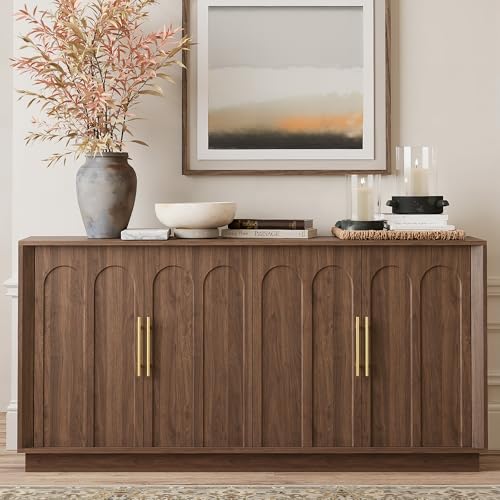
FORTUNETEC 67" Sideboard Buffet Cabinet with Storage, Arched Doors, Walnut

IFGET 92.63" W Modern Arched Sideboard Buffet Cabinet with Storage, Brown
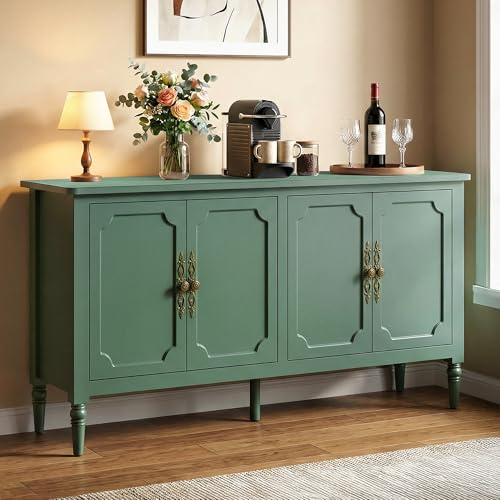
RoyalCraft Buffet Cabinet with Storage, 59" Vintage Sideboard with Adjustable Shelves, Mid Century Modern Painted Credenza Coffee Bar for Kitchen, Dining Room, Entryway, Living Room, Forest Green
Ready to Find Your Perfect Sideboard?
Use this guide to make an informed decision. Browse our top picks above and transform your dining space today.