
Cedar Picnic Table: The Complete Buying Guide
Discover why cedar is one of the finest woods for outdoor dining. Learn how to choose the right size, construction style, and finish for a picnic table that lasts for decades.
Why cedar? A cedar picnic table brings together natural beauty, weather resilience, and lightweight practicality. Whether you are furnishing a backyard patio, a garden dining corner, or a family campground, this guide walks you through wood grades, structural styles, sizing rules, and long-term care so you can buy with confidence.
Why Choose a Cedar Picnic Table?
Cedar has been a preferred material for outdoor furniture for generations, and for good reason. The wood contains natural oils and acids that repel moisture, insects, and fungal decay, allowing it to withstand rain, humidity, and seasonal temperature swings far better than many common softwoods. A cedar wood picnic table is also noticeably lighter than hardwood alternatives, which makes rearranging your patio or moving the table for lawn care considerably easier.
Beyond durability, cedar offers a warm, fine grain that looks elegant in both rustic and contemporary outdoor settings. Left untreated, it gradually develops a silvery-grey patina that many homeowners prefer for a natural, weathered look. If you want to preserve the original reddish-brown hue, a UV-protective outdoor oil will keep the color rich for years.
Compared with pressure-treated pine, cedar is naturally resistant without chemical treatment, which makes it a more comfortable choice for families who eat and gather around the table. It is also dimensionally stable, meaning it resists the warping, cracking, and twisting that can plague lesser woods when exposed to alternating wet and dry cycles.
Understanding Cedar Grades and Quality Tiers
Not all cedar is equal. The lumber is typically sorted into appearance grades, and the grade directly affects how many knots are visible, how uniform the grain appears, and how the table will look after years of weathering. Use the tier framework below to compare options on the market without relying on arbitrary figures.
| Tier | Typical Characteristics | Best For |
|---|---|---|
| Entry-level | Knotty grade with visible knots and color variation; functional construction | Casual backyard use, seasonal patios, first outdoor dining setup |
| Mid-range | Fewer knots, tighter grain, sanded surfaces, reinforced joinery | Family patios, garden dining areas, regular year-round exposure |
| Premium | Clear or near-clear grade, consistent color, precision-milled edges, heavy-duty hardware | Design-focused outdoor spaces, long-term residential use, covered porches |
| Luxury / commercial-grade | Select tight-knot or clear stock, marine-grade fasteners, engineered bracing, refined finish | Hospitality settings, high-traffic family estates, premium outdoor living rooms |
Construction Styles: A-Frame, Trestle, and More
The structural design of a picnic table influences stability, seating comfort, and how easy it is to get in and out. The three most common configurations are the classic A-frame, the trestle or pedestal style, and the convertible bench-table. Each suits a different setting.
A-Frame Picnic Table
The traditional A-frame is the most recognizable design, with angled legs that create a wide, stable footprint and attached benches on both sides. It is the most space-efficient option for seating six to eight people and works well on lawns, decks, and campsites. Look for cross-bracing and through-bolted joints to prevent wobble over time.
Trestle or Pedestal Base
A trestle base uses vertical end supports connected by a central stretcher, leaving the ends open so diners can slide in from the sides. This layout feels more like an indoor dining table and pairs well with separate benches or chairs. It is a strong choice for covered patios and semi-enclosed outdoor rooms where the table stays in one place.
Convertible Bench-Table
Convertible designs fold from a bench into a picnic table, making them ideal for small yards, balconies, and RV travel. They are lighter and more compact than fixed tables but generally land in the entry-level to mid-range tier because the folding mechanism limits overall rigidity. If portability matters more than permanent stability, a convertible model is a practical pick.
Whichever style you choose, check how the top slats are fastened. Screws driven from below with recessed plugs, or through-bolted frame connections, tend to outlast surface-mounted fasteners that can loosen as the wood expands and contracts. For related outdoor seating ideas, browse our chairs and benches section.
Sizing Your Cedar Picnic Table
Getting the size right is the difference between a table that feels generous and one that feels cramped. The general rule is to allow about 24 inches of bench length per adult diner. That translates to the following common configurations:
- Four-foot table: Seats four adults, two per side. Best for small patios, balconies, and children's seating.
- Six-foot table: Seats six adults comfortably. The most popular size for family backyards.
- Eight-foot table: Seats eight adults, four per side. Suited to large families and regular entertaining.
Also plan for clearance around the table. Allow at least 30 to 36 inches between the bench edge and walls, fences, or planters so people can pull out and walk behind seated diners. On a deck, confirm that the table's footprint, including leg spread, fits comfortably within the railing line. If your outdoor space is tight, a smaller table paired with separate chairs can be more flexible than an attached-bench design. You can explore compact outdoor options in our outdoor table and chairs guide.
Finishing and Caring for Cedar Outdoors
Cedar is low-maintenance, but a little attention each year keeps it in top condition. You have two main finishing paths: natural weathering or a protective oil finish.
Natural Weathering
If you like the silvery-grey look, simply leave the wood unfinished. Clean it once or twice a year with a soft brush and mild soap, rinse thoroughly, and let it dry. Avoid pressure washing at high settings, which can raise the grain and erode the soft earlywood between growth rings.
Protective Oil Finish
To retain the warm tone, apply a penetrating outdoor oil with UV protection. Reapply every one to two years depending on sun exposure. Penetrating oils are preferable to film-forming polyurethanes, which can crack, peel, and trap moisture against the wood. Always finish with the grain and wipe away excess oil so it does not become tacky.
Seasonal Care
- Clear snow and standing water promptly to prevent prolonged moisture contact.
- Place the table on a well-drained surface such as gravel, pavers, or a deck rather than bare soil.
- Check and tighten fasteners at the start of each season, since wood expands and contracts.
- Use a breathable cover during extended wet periods rather than a fully sealed tarp.
For a broader look at maintenance routines across outdoor furniture, our buying guides hub collects care checklists and product selection advice.
Cedar vs. Other Outdoor Woods
Cedar competes most directly with pressure-treated pine, teak, and acacia. Each has a distinct position in the market:
- Cedar: Naturally rot-resistant, lightweight, and stable. The best balance of longevity and ease of handling for most backyards. Sits comfortably in the mid-range and premium tiers.
- Pressure-treated pine: Usually entry-level in tier, with chemically treated wood for rot resistance. Heavier and more prone to checking over time but widely available.
- Teak: A luxury-tier material with exceptional density and oil content. Very durable but substantially heavier and typically positioned at the top of the market.
- Acacia: Often mid-range, with good hardness and an attractive grain. Requires more consistent oiling to prevent drying and cracking.
For shoppers comparing outdoor table formats more broadly, our guide to commercial picnic tables covers heavy-duty specifications that translate well to residential use, while the children's outdoor picnic table page addresses scaled-down versions for families with young kids.
Who Should Buy a Cedar Picnic Table?
A cedar picnic table is a strong fit for homeowners who want a durable, naturally beautiful outdoor dining surface without the weight and upkeep of denser hardwoods. It suits:
- Families who eat outside regularly and need a table that seats six to eight.
- Gardeners and patio hosts who want furniture that ages gracefully.
- Campers and cabin owners looking for a rugged but refined outdoor table.
- Anyone furnishing a deck, lawn, or covered porch who prefers natural wood over metal or plastic.
If your priority is a table that stays put year-round in a harsh climate, choose a mid-range or premium model with through-bolted joinery and a protective oil finish. If portability is the main goal, consider a convertible design. Either way, cedar gives you a dependable foundation for outdoor meals and gatherings.
Ready to Compare Cedar Picnic Tables?
Explore curated options that match each quality tier and construction style discussed in this guide.
Browse Recommended ModelsRecommended Cedar Picnic Tables & Outdoor Dining Products
⚠️ AFFILIATE DISCLOSURE: This website contains affiliate links. As an affiliate Associate, we earn from qualifying purchases. If you make a purchase through these links, we may receive a small commission at no additional cost to you. Read our full affiliate policy.

Jack and June Premium Cedar Wood Rectangular Picnic Table | Easy Assembly, Rounded Corners, Comfortable for Kids and Adults
Check price on Amazon
Global Industrial Outdoor 6' Rectangular Picnic Table, Recycled Plastic with Heavy Duty Base, Cedar
Check price on Amazon
Keystone Amish Co. 94" Heavy Duty Pressure Treated Pine ADA Compliant Park Picnic Table, Wheelchair Accessible Outdoor Wooden Table, Made in USA (No Umbrella Hole, Cedar Stain)
Check price on Amazon
"Generic" Kids Picnic Table Made from Cedar Lumber (Redwood)
Check price on Amazon
Global Industrial Outdoor 46" Hexagonal ADA Accessible Picnic Table with 3 Attached Benches, Recycled Plastic Construction, 1600 Lbs Weight Capacity, Cedar
Check price on Amazon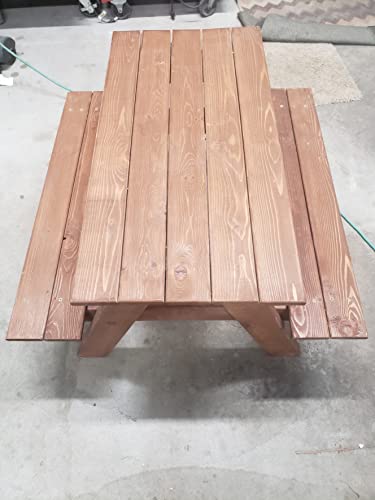
"Generic" Kids Picnic Table Made from Cedar Lumber (Dark Brown)
Check price on Amazon
"Generic" Kids Picnic Table Made from Cedar Lumber (White)
Check price on Amazon
COSTWAY Acacia Wood Picnic Table, 70” Tabletop with Umbrella Hole | Patented Design, Strong Metal Frame, 6 Person Outdoor Picnic Table Bench Set for Patio, BBQ, Dining
Check price on AmazonFrequently Asked Questions
Is cedar a good wood for a picnic table?
Yes. Cedar is naturally resistant to rot, decay, and insects, making it one of the best woods for outdoor picnic tables. It is lightweight, dimensionally stable, and develops a beautiful silver-grey patina over time if left unfinished.
How long does a cedar picnic table last outdoors?
A well-built cedar picnic table can last 15 to 20 years or more with basic care. The natural oils in cedar repel moisture and insects, and periodic cleaning plus an optional protective finish will extend its service life significantly.
Should I seal or stain a cedar picnic table?
Sealing is optional. Many owners let cedar weather naturally to a silver-grey patina. If you prefer to preserve the warm reddish-brown tone, apply a UV-protective outdoor oil or stain every one to two years. Avoid heavy film-forming finishes that can crack and trap moisture.
What size picnic table seats eight people?
An eight-foot cedar picnic table with attached benches typically seats eight adults comfortably, four per side. For six adults, a six-foot table is usually sufficient. Allow roughly 24 inches of bench length per person for comfortable seating.
Can a cedar picnic table stay outside in winter?
Yes. Cedar tolerates freezing temperatures and snow well. To maximize longevity, clear snow promptly, ensure the table sits on a well-drained surface, and consider a breathable cover during extended wet seasons so moisture does not sit on the wood.