
Cedar Wood Picnic Table: The Complete Buying & Care Guide
Everything you need to know before choosing a cedar picnic table — from wood grading and construction to finishes, weather resistance, and long-term care. Make a confident, informed decision for your outdoor space.
START YOUR RESEARCHWhy cedar? Cedar is one of the most trusted woods for outdoor furniture. Its natural oils repel moisture and insects, it resists warping, and it ages gracefully. This guide walks you through everything that matters when selecting a cedar wood picnic table — so you can choose the right one for your patio, garden, or backyard gathering space.
Why Choose a Cedar Wood Picnic Table?
Natural Durability That Works With the Outdoors
Cedar wood contains natural oils — particularly thujaplicin — that act as a built-in preservative. This compound inhibits fungal growth and repels insects, which is why cedar has been used for outdoor structures, fences, and furniture for centuries. Unlike treated pine, cedar does not rely on chemical pressure treatment to resist decay. Its resistance is inherent to the wood itself.
For a picnic table that lives outside year-round, this matters. A cedar wood picnic table is designed to handle rain, sun, and temperature swings without the rapid deterioration you might see in softer or untreated woods. The wood’s cellular structure also allows it to absorb and release moisture gradually, which reduces the risk of cracking and splitting compared with denser hardwoods that expand and contract more aggressively.
Lightweight Yet Sturdy
Cedar is significantly lighter than oak, teak, or even pine of comparable dimensions. That means a cedar picnic table is easier to move around your yard or patio when you need to reconfigure your space. Despite its lighter weight, cedar has excellent strength-to-weight ratio when properly constructed. A well-built cedar table with reinforced joinery can comfortably seat four to eight adults.
Natural Aesthetics and Aging
New cedar has a warm, reddish-brown hue that complements both natural landscapes and contemporary patios. Over time, untreated cedar weathers to a soft silver-grey — a look many homeowners actually prefer. If you want to preserve the original color, a periodic application of outdoor furniture oil or a UV-protective sealant will maintain the warm tone. This flexibility in appearance is one reason cedar picnic tables remain popular across a wide range of garden and patio styles.
What to Look For in Construction
Wood Grade and Milling
Not all cedar is equal. The wood is typically graded by the appearance and structural integrity of the boards. Clear-grade cedar has fewer knots and a more uniform appearance, while knotty grades offer a more rustic look at a lower tier of the market. For a picnic table, knotty cedar is perfectly functional — knots are natural features, not defects — but clear-grade boards tend to be straighter and more stable over time.
Look for boards that are kiln-dried rather than green. Kiln-dried cedar has already released most of its moisture, which means less shrinking and movement after assembly. Check that the tabletop slats are smoothly sanded and edges are rounded or chamfered — this reduces the chance of splinters and improves comfort when sitting or leaning against the table.
Joinery and Fasteners
The joinery is where a picnic table proves its quality. Basic models use simple butt joints secured with screws or bolts. Mid-range and high-end models use reinforced joinery — such as cross-lap joints, mortise-and-tenon connections, or heavy-duty carriage bolts — that distribute stress more evenly and resist loosening over time.
- Bolted vs. screwed: Bolted connections with washers are generally more durable for heavy use and easier to re-tighten if needed. Screws are acceptable in lighter-duty designs but can work loose with seasonal wood movement.
- Rust-proof hardware: Stainless steel or galvanized fasteners are essential for outdoor furniture. Standard steel hardware will corrode quickly, staining the wood and weakening the structure.
- Cross-bracing: A well-designed picnic table includes cross-bracing or a stretcher between the legs to prevent wobbling. Look for A-frame or trestle-style bases that distribute weight across the footprint.
Styles and Configurations of Cedar Picnic Tables
Classic A-Frame Picnic Table
The traditional A-frame design — with angled legs, attached benches, and a rectangular top — is the most recognizable picnic table style. It’s stable, spacious, and works well for family dining, backyard barbecues, and casual outdoor gatherings. A cedar A-frame table is a solid choice for a dedicated outdoor dining area where the table will stay in one place.
Trestle and X-Base Designs
Trestle-style cedar picnic tables feature two A-shaped or X-shaped supports connected by a central stretcher. This design is often easier to disassemble for storage or transport, and it can be slightly lighter than a fully integrated A-frame. Trestle tables also tend to have a more refined, furniture-like appearance that suits both rustic and modern outdoor settings.
Convertible and Folding Options
If your outdoor space is flexible or you need to store the table during colder months, a folding cedar picnic table is worth considering. These models use hinges and locking mechanisms to fold flat. The trade-off is that folding hardware introduces more potential points of wear — so look for heavy-duty hinges and a locking system that feels secure when deployed. For a permanent setup, a fixed-frame table will generally outlast a folding model in the same class.
Tables With Attached Benches vs. Separate Seating
Attached benches make the table a self-contained unit and are convenient for families with children. Separate benches or chairs offer more flexibility — you can rearrange seating, add chairs at the ends, or use the benches elsewhere. If you plan to use the table for both dining and as a general outdoor work surface, a table with detachable benches or a bench-free design paired with outdoor chairs and benches may suit you better.
Cedar Picnic Table Tiers at a Glance
The following table summarizes how cedar picnic tables differ across market tiers. Use it to align your expectations with the construction quality and features typically found at each level.
| Tier | Typical Construction | Wood Grade | Hardware | Best For |
|---|---|---|---|---|
| Entry-Level | Butt joints, screws, basic A-frame | Knotty, mixed grain | Coated steel or basic galvanized | Occasional use, seasonal setups |
| Mid-Range | Reinforced joints, bolted connections, cross-bracing | Knotty to semi-clear | Galvanized or stainless steel | Regular family use, year-round outdoor exposure |
| Premium | Mortise-and-tenon or cross-lap joinery, heavy-duty bolts | Semi-clear to clear-grade | Stainless steel throughout | Frequent entertaining, long-term outdoor placement |
| Luxury | Hand-finished joinery, architectural-grade detailing | Clear-grade, hand-selected boards | Marine-grade stainless steel | Design-focused outdoor spaces, commercial-grade durability |
Note: Tiers reflect relative market positioning and construction quality, not absolute pricing.
Recommended Cedar Wood Picnic Tables
⚠️ AFFILIATE DISCLOSURE: This website contains affiliate links. As an affiliate Associate, we earn from qualifying purchases. If you make a purchase through these links, we may receive a small commission at no additional cost to you. Read our full affiliate policy.

Jack and June Premium Cedar Wood Rectangular Picnic Table | Easy Assembly, Rounded Corners, Comfortable for Kids and Adults
Check price on Amazon
"Generic" Kids Picnic Table Made from Cedar Lumber (Redwood)
Check price on Amazon
COSTWAY Acacia Wood Picnic Table, 70” Tabletop with Umbrella Hole | Patented Design, Strong Metal Frame, 6 Person Outdoor Picnic Table Bench Set for Patio, BBQ, Dining
Check price on Amazon
VINGLI 8-Person Wood Picnic Table Sqaure Picnic Table with Umbrella Hole and 4 Built-in Benches, Outdoor Dining Tables and Chairs 500 LBS Bench Capacity (Natural, Sqaure)
Check price on Amazon
QUAWIP 75" Rectangular Outdoor Picnic Table with Built-in Benches & Umbrella Hole,8-Person Heavy-Duty Solid Wood Dining Table,2220lb Capacity Natural for Camping, Garden & BBQ Social Events
Check price on Amazon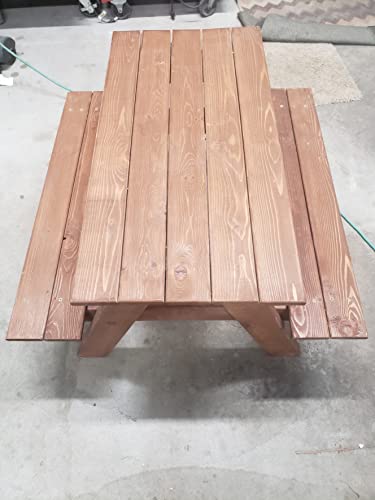
"Generic" Kids Picnic Table Made from Cedar Lumber (Dark Brown)
Check price on Amazon
"Generic" Kids Picnic Table Made from Cedar Lumber (White)
Check price on Amazon
Lifetime 60105 Wood Grain Picnic Table and Benches, 6 Feet
Check price on AmazonCaring for Your Cedar Picnic Table
Cleaning
Regular cleaning keeps cedar looking good and prevents dirt and mildew from settling into the grain. A gentle wash with mild soap and water is usually enough. Avoid harsh chemical cleaners or pressure washing at high intensity — both can strip the wood’s natural oils and raise the grain. For stubborn spots or mild mildew, a diluted solution of white vinegar and water works well without damaging the wood.
Sealing and Oiling
Sealing is optional but recommended if you want to preserve the original color and maximize the table’s lifespan. A penetrating outdoor furniture oil (often linseed- or tung-oil based) nourishes the wood and enhances its water resistance. Apply a fresh coat every season or when the surface starts to look dry. If you prefer a film-forming finish, choose a UV-protective outdoor sealant designed for cedar — these products slow the natural greying process and provide an extra layer of moisture protection.
Seasonal Checks
Inspect the table at the start of each outdoor season. Check that bolts and screws are tight, look for any signs of rot at the leg-to-seat connections, and sand down any rough spots. Tightening hardware annually prevents wobbling and extends the life of the joinery. If the table stays outside through winter, covering it or storing it in a sheltered spot will reduce exposure to prolonged moisture and freeze-thaw cycles.
What to Avoid
- Standing water: Ensure the tabletop has slight gaps between slats for drainage. If water pools on the surface, it can accelerate wear and promote mildew.
- Direct heat sources: Placing a hot grill or fire pit too close to the table can scorch the wood and dry out the natural oils.
- Heavy abrasive scrubbing: Steel wool and stiff wire brushes can scratch the surface and remove the softer earlywood, leaving a rougher texture.
Cedar vs. Other Picnic Table Woods
Understanding how cedar compares with other common outdoor furniture woods helps you make a more informed decision. Here’s a quick comparison:
| Wood Type | Natural Rot Resistance | Weight | Appearance | Maintenance Needs |
|---|---|---|---|---|
| Cedar | High (natural oils) | Light | Warm reddish-brown, ages to silver-grey | Low to moderate |
| Pine | Low without treatment | Light to medium | Pale, uniform | Moderate to high |
| Teak | Very high | Heavy | Golden brown, rich grain | Low |
| Oak | Moderate (tannins help) | Very heavy | Strong grain, light to medium brown | Moderate |
| Acacia | High | Medium to heavy | Deep brown, contrasting grain | Low to moderate |
Cedar strikes a balance that many outdoor furniture buyers find appealing: it’s lighter than teak or oak, more naturally resistant than untreated pine, and it offers a warm aesthetic that fits a wide range of outdoor décors. For a deeper look at how wood choice affects outdoor furniture, explore our broader buying guides.
Sizing and Placement Considerations
How Many People Will You Seat?
A standard rectangular cedar picnic table measures around 6 to 8 feet in length and typically seats six to eight adults when benches run the full length. Smaller 4-foot tables are better suited to children or intimate settings. If you regularly host larger groups, consider an 8-foot table or a design that allows chairs at the ends for additional seating.
Space Planning
Allow at least 30 to 36 inches of clearance around the table on all sides so people can pull benches out and move comfortably. On a patio, check that the table’s footprint leaves room for walking paths and other furniture. A cedar table is lighter than many alternatives, so you have more flexibility to reposition it — but it still needs a level surface to sit stably.
Surface and Anchoring
On a hard patio, consider felt pads or rubber feet under the legs to protect both the table and the patio surface. On grass or gravel, the legs may sink slightly over time — a wider foot profile or a small paver under each leg helps distribute weight. If your area experiences strong winds, a heavier-tier table or one with the option to anchor the legs is worth considering.
Frequently Asked Questions
How long does a cedar wood picnic table last?
A well-maintained cedar picnic table can last for decades. Cedar naturally resists rot and insects, and with regular cleaning and periodic sealing, it will remain a durable outdoor centerpiece for many years. Entry-level tables may need more frequent hardware checks, while premium and luxury tiers with stainless steel fasteners and reinforced joinery are built for extended outdoor exposure.
Is cedar better than pine for a picnic table?
For outdoor furniture, cedar is generally the stronger choice. It has natural rot and insect resistance that untreated pine lacks, it’s lighter, and it’s more dimensionally stable. Pine can work well if it’s pressure-treated, but cedar offers comparable or better durability without relying on chemical treatment — making it a preferred option for many homeowners.
Do I need to seal a cedar picnic table?
Sealing is not strictly required — cedar will weather naturally to a silver-grey patina without it. However, applying an outdoor furniture oil or UV-protective sealant is recommended if you want to preserve the original color and maximize the table’s lifespan. Sealing also helps prevent moisture absorption and surface cracking, particularly in climates with wet winters or intense sun.
Can a cedar picnic table stay outside in winter?
Yes, cedar is built for outdoor exposure. However, prolonged freeze-thaw cycles and heavy snow loads can stress the joinery over time. If possible, cover the table or move it to a sheltered location during the coldest months. At minimum, clear snow off the tabletop promptly and check that drainage gaps between slats remain clear.
What’s the difference between clear-grade and knotty cedar?
Clear-grade cedar has fewer knots and a more uniform appearance, which generally makes it straighter and more stable. Knotty cedar has visible knots and a more rustic character. Both are structurally sound for picnic tables, but clear-grade boards are typically found in premium and luxury tiers, while knotty grades are common in entry-level and mid-range models.
Ready to Choose Your Cedar Picnic Table?
You now have the knowledge to evaluate construction quality, wood grade, and design features with confidence. Browse our recommended cedar picnic tables above, or explore related outdoor dining guides to complete your setup.
EXPLORE CEDAR PICNIC TABLESContinue Your Research
Looking for more outdoor and dining furniture guidance? These resources will help you build a complete, cohesive outdoor entertaining space:
- Cedar Picnic Table: Alternative Styles and Sizes — Compare different cedar table configurations and find the right fit for your space.
- Outdoor Chairs and Benches — Pair your table with comfortable, durable seating.
- Commercial Picnic Tables — Heavy-duty options for shared spaces and high-traffic use.
- Children’s Picnic Benches — Scaled-down seating for younger family members.
- Dining Furniture Buying Guides — Broader guidance on selecting tables, seating, and storage for every dining space.
- Outdoor Candles and Lighting — Set the mood for evening meals and gatherings.