
Counter Height Stools for Kitchen: The Complete Buying Guide
Everything you need to know before choosing counter height stools for your kitchen island, breakfast bar, or counter. Compare heights, materials, back styles, and swivel options with confidence.
START READINGWhy this guide matters: Counter height stools are among the most-used seating pieces in a home, yet they are often chosen by guesswork. The wrong seat height, back style, or material leads to discomfort, footrest mismatch, and premature wear. This guide walks you through every decision so you can buy once and buy right.
What You'll Learn
What Are Counter Height Stools for Kitchens?
Counter height stools are seating designed to pair with standard kitchen counters, which typically stand 36 inches high. Their seat heights usually fall between 24 and 27 inches, giving you roughly 9 to 12 inches of clearance between the seat and the countertop — the sweet spot for comfortable legroom and safe, natural posture. Unlike bar height stools built for taller 42-inch bars, counter height stools are engineered for daily kitchen use: quick breakfasts, casual dinners, homework sessions, and conversation while cooking.
For many households, these stools replace or supplement a traditional dining setup entirely. A well-chosen pair at a kitchen island becomes the most-used seat in the house. That is why the selection process deserves more thought than simply picking a color you like. The right stool must match your counter height, fit the available knee space, suit the traffic flow around the island, and hold up to the daily rhythm of family life. If you are still weighing whether a full dining set or an island-based setup suits your space better, our overview of counter height dining helps clarify the trade-offs.
This guide is organized as a decision path. We start with the single most important factor — height — then move through measurement, materials, back and swivel options, comfort features, and style matching. Each section is written for buyers in the research phase who already know they want counter stools but need clarity on the specifics before committing.
Counter Height vs. Bar Height: Getting the Height Right
Height is the make-or-break specification. A stool that is too tall leaves your knees jammed against the counter; one that is too short forces an awkward reach and poor posture. The table below summarizes how counter height and bar height compare in practice.
| Seating Category | Typical Seat Height | Pairs With | Best For |
|---|---|---|---|
| Counter height stools | 24–27 inches | 36-inch kitchen counters and islands | Kitchen islands, breakfast bars, peninsulas, casual daily seating |
| Bar height stools | 28–33 inches | 42-inch bar counters | Home bars, pub tables, raised entertainment counters |
| Adjustable height stools | Varies (often 22–32 inches) | Multiple surfaces | Rental homes, dual-purpose counters, flexible spaces |
| Standard dining chairs | 17–19 inches | 30-inch dining tables | Formal dining rooms, standard tables |
The clearance rule of thumb is simple: aim for 9 to 12 inches between the top of the stool seat and the underside of the counter. Less than 9 inches and your thighs will feel compressed; more than 12 inches and you will find yourself leaning forward to eat comfortably. If you are working with a taller counter and need to verify your measurements, our guide on how tall a counter height table should be offers a useful cross-check.
Pro tip: Measure from the floor to the top of your counter, not to the bottom edge. Then subtract 9 to 12 inches. That number is your target seat height. If your counter includes a thick stone top or a raised lip, factor that thickness in — it changes the effective clearance.
How to Measure Your Kitchen Space
Height is only half the equation. Width and depth determine how many stools fit and whether the seating zone feels comfortable or cramped. The following checklist covers the measurements worth taking before you shop.
If you are still deciding whether a counter stool setup or a dedicated dining surface is the better fit for your layout, comparing options like a counter height dining table can help you weigh the footprint and function of each approach.
Materials and Durability: What to Look For
Counter stools take a beating. They are pulled in and out multiple times a day, sat on by children and adults alike, and often placed near splashes, heat, and foot traffic. Material choice directly affects how long the stools look and feel good.
When comparing stools, pay attention to weight capacity ratings and warranty coverage. A generous warranty on the frame and finish usually signals confidence in the build. For households with children, prioritize stability and rounded edges over purely decorative designs.
Back Styles and Swivel Options
Back style and swivel function change how a stool feels in daily use. Neither is inherently better — the right choice depends on your space, your habits, and who will sit there most often.
Backless Stools
Slide completely under the counter when not in use, maximizing floor space. Ideal for tight kitchens, shallow overhangs, and minimalist interiors. Less supportive for long sitting sessions.
Low-Back Stools
Offer gentle lumbar support without blocking sightlines. A popular middle ground for open-concept kitchens where you want comfort but not visual bulk. Great for islands facing living areas.
Full-Back Stools
Provide the most support for long meals, homework, and remote work at the island. Choose models with a slight recline and contoured back for the best ergonomics. Visually heavier in small spaces.
Swivel Stools
Make it easy to get in and out and encourage conversation around the island. Look for smooth, quiet swivel mechanisms with a return feature. A solid choice for social households.
Fixed Stools
Feel more planted and are typically more durable since there are no moving parts. A cleaner, calmer look for minimalist and traditional kitchens alike.
Adjustable-Height Stools
Useful when counter heights vary or when stools double as extra seating elsewhere. Gas-lift or screw mechanisms vary in quality — prioritize smooth, wobble-free operation.
If you are furnishing a peninsula or island where stools are visible from the living room, our guide to counter height stools for kitchen islands explores how back style and footprint affect visual flow in open layouts.
Comfort and Footrest Design
Comfort at a counter stool comes down to three contact points: the seat, the back, and the feet. Get all three right and the stool disappears into daily life. Get one wrong and you will notice it every single meal.
Comfort check: Before buying, sit on a stool at counter height and confirm three things — your feet rest flat on the footrest, your thighs are roughly parallel to the floor, and your forearms rest comfortably on the counter without hunching. If any of these fail, adjust the seat height or footrest position.
Matching Your Kitchen Style
Counter stools are prominent visual elements, especially at an island in an open-plan home. The style you choose should either complement the surrounding materials or act as a deliberate accent.
Consistency matters more than trend. Two or three counter stools at one island should share the same frame, finish, and seat height. Mixing heights at a single counter looks accidental rather than intentional. If your kitchen opens directly into a dining space, you can echo the same wood tone or metal finish across counter height dining room chairs for a cohesive transition.
Choosing the Right Tier for Your Needs
Instead of focusing on price points, think in terms of construction tier and expected use. The descriptors below are relative — they describe market position and build quality, not any specific figure.
Essential Tier
Entry-level stools with basic construction. Suitable for occasional seating, secondary spaces, or first apartments. Expect simpler joinery and lighter frames.
Balanced Tier
Mid-range stools offering solid build quality and better materials. The sweet spot for daily family use. Look for reinforced joinery and durable upholstery.
Top-Tier
High-end and premium stools with heavy-duty frames, precision swivel mechanisms, and high-grade materials. Built for long-term daily use and frequent entertaining.
A balanced-tier stool with a solid wood frame, high-density foam seat, and a well-placed footrest is usually the most sensible starting point for a family kitchen. Top-tier construction makes sense when the stools double as primary seating or when the kitchen is a high-traffic social hub. For a deeper look at how height, back, and swivel options combine in practice, explore the full range of counter height stools by category.
Common Buying Mistakes to Avoid
If you are still deciding how your kitchen seating will integrate with the rest of the room, comparing counter stool setups with full counter height dining set configurations can help you plan the transition from casual island seating to a dedicated eating area.
Ready to Find the Right Counter Height Stools?
Use the product recommendations below to compare leading options on Amazon. Every listing links directly to the retailer so you can review specifications, verify dimensions, and read verified buyer feedback before deciding.
Browse Recommended StoolsRecommended Counter Height Stools for Kitchens
⚠️ AFFILIATE DISCLOSURE: This website contains affiliate links. As an affiliate Associate, we earn from qualifying purchases. If you make a purchase through these links, we may receive a small commission at no additional cost to you. Read our full affiliate policy.
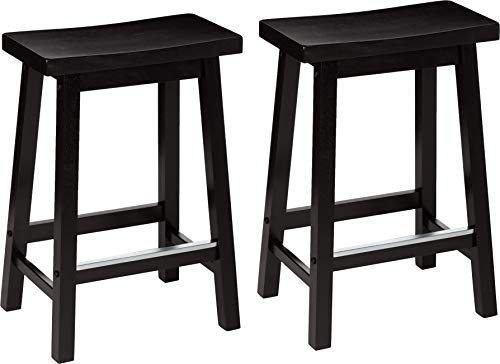
Amazon Basics Solid Wood Saddle-Seat Counter Height Bar Stools for Kitchen Island with Footrest, 24-Inch Height, Black, Set of 2
Check price on Amazon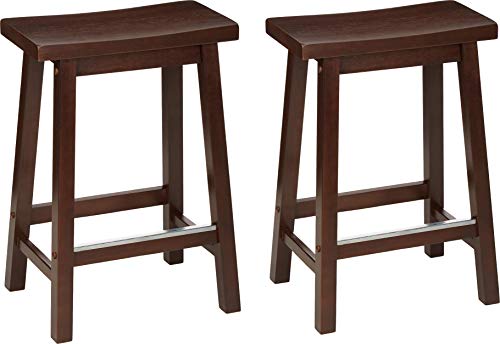
Amazon Basics Solid Wood Saddle-Seat Counter Height Bar Stools for Kitchen Island with Footrest, 24-Inch Height, Walnut, Set of 2
Check price on Amazon
HOOBRO Bar Stools, Set of 2 Bar Chairs, Counter Height Stools, Saddle Barstools with Curved Surface, 24.8 Inches, 2.4" Thick Upholstery, for Kitchen, Dining Room, Cafe Black BB10BY01
Check price on Amazon
Nalupatio Modern Bar Stools Set of 2, Adjustable Faux Leather Upholstered Swivel Bar Stools, Counter Height Bar Chairs with Back for Kitchen Island, Black
Check price on Amazon
HOOBRO Bar Stools, Set of 2 Bar Chairs, 23.6 Inch Saddle Stools, Kitchen Counter Seat with Footrests, Industrial Barstools for Dining Room, Kitchen, Counter, Rustic Brown and Black BF02MD01
Check price on Amazon
VASAGLE Bar Stools Set of 2, Counter Height, PU Leather, 26-Inch | Mid-Century Modern Bar Stool with Stitching, Kitchen, Home Bar, Dining Room, Caramel Brown, EKHO Collection ULBC086K01
Check price on Amazon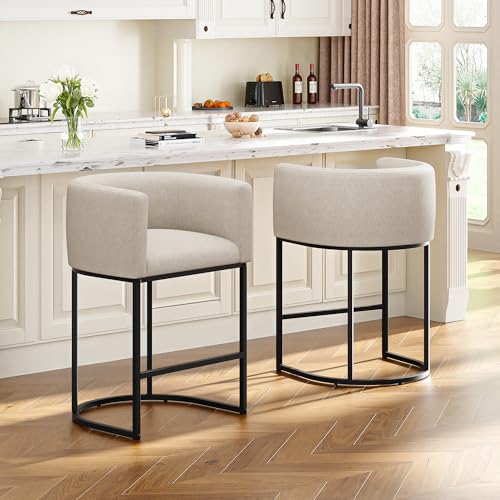
VATROS 26" H Counter Height Bar Stools Set of 2, Modern Barrel Counter Stools with Backrest and Arms, Linen Fabric Upholstered Accent Barstools for Kitchen Island,Support 450 LBS (Beige)
Check price on Amazon
FERFALDER Counter Height Bar Stools with Full Back – Swivel Counter Stools Set of 2 with Linen Padded Back, Metal Footrest, Modern Barstools for Kitchen Counter, Island, Dining Room, Grey 24 inch
Check price on AmazonFrequently Asked Questions
How tall should counter height stools be?
Counter height stools typically measure 24 to 27 inches in seat height, designed to pair with 36-inch kitchen counters. The ideal clearance between the seat top and the underside of the counter is 9 to 12 inches. Measure your counter height first, then subtract that clearance to find your target seat height. For a deeper breakdown of counter heights, see our guide on how tall a counter height table should be.
What is the difference between counter height and bar height stools?
Counter height stools have seat heights of 24 to 27 inches for 36-inch counters, while bar height stools measure 28 to 33 inches for 42-inch bars. Using a bar stool at a kitchen counter leaves too little clearance and forces poor posture. Using a counter stool at a bar leaves you reaching upward. Always match the stool category to the surface height. You can explore the full range of counter height bar stools with backs and arms if you want support plus a slightly higher profile.
Are swivel counter stools better than fixed ones?
Swivel stools make it easier to get in and out and encourage conversation around a kitchen island, which is ideal for social households. Fixed stools offer a more stable feel and have fewer moving parts to wear out. If you choose swivel, prioritize a smooth, quiet mechanism with a return feature. If stability and simplicity matter more, a fixed stool with a solid frame is the more durable long-term choice.
How many counter stools fit at a kitchen island?
Allow about 24 inches of width per stool for comfortable seating. A 6-foot island typically accommodates three stools, while an 8-foot island fits four. You can tighten to 21 inches per stool if the stools are backless and used briefly, but avoid overcrowding — elbow room matters as much as seat count. For layout guidance at smaller islands, see counter height stools for kitchen islands.
Do I need a backrest on my counter stool?
Not necessarily. Backless stools tuck neatly under the counter and keep small kitchens feeling open. Low-back stools offer gentle support without blocking sightlines. Full-back stools are best if the counter is used for long meals, homework, or remote work. Match the back style to how long people typically sit and how visible the stools are from adjacent rooms.
What is the best material for kitchen counter stools?
Solid hardwood and high-grade metal frames are the most durable choices for daily kitchen use. For seats, faux leather and performance fabrics wipe clean easily, while contoured wood seats are both durable and easy to maintain. Look for reinforced joinery, sealed finishes, and a footrest with protective caps. Rattan and woven seats work well in low-traffic or decorative settings.