
DIY Dining Table: Build Your Dream Custom Table
Discover how to build a stunning DIY dining table with our complete step-by-step guide. From choosing the right wood to the final finishing touches, create a custom centerpiece that perfectly fits your style and space.
Start Your Project Today →Why Build Your Own DIY Dining Table?
Building your own dining table is one of the most rewarding home improvement projects you can undertake. A DIY dining table allows you to create a piece that perfectly matches your style, fits your exact dimensions, and becomes a cherished family heirloom. Whether you're a seasoned woodworker or a beginner looking for a challenging project, constructing your own homemade dining table offers numerous advantages over buying ready-made furniture.
When you build a custom dining table, you gain complete control over every aspect of the design—from the type of wood and finish to the size, shape, and style. This level of customization ensures your table complements your existing dining room design perfectly. Plus, the satisfaction of gathering family and friends around a table you built with your own hands is truly priceless.
💡 Did You Know? A well-built DIY dining table can last for generations and often costs 40-60% less than comparable store-bought tables. The average DIY dining table project costs between $350–$900 depending on wood choice and size, compared to $1,500+ for a similar quality retail table.
Before diving into the building process, it's essential to consider how your new table will fit into your small dining room or larger space. Take accurate measurements of your dining area, consider the dining area size you need, and think about how many people you typically host. A standard table is 30 inches high, but you can adjust for comfort or specific needs like high dining table configurations for bar-style seating.
Choosing the Right Wood for Your DIY Dining Table
The choice of wood is one of the most critical decisions when building a wood dining table. Different woods offer varying levels of durability, appearance, and workability. Here are the most popular options for DIY dining table projects:
🪵 Pine
Price: $3–$6 per board foot
A softwood that's affordable and easy to work with. Ideal for beginners. Takes stain well but dents easily. Great for a rustic or modern farmhouse dining room look.
🪵 Oak
Price: $8–$15 per board foot
Hard, durable, and beautiful grain. Red oak is more common, white oak is more moisture-resistant. Classic choice for a oak dining table that will last generations.
🪵 Walnut
Price: $12–$20 per board foot
Rich, dark color with beautiful grain. Premium hardwood that's stable and works well. Adds warmth to any dining room inspiration.
🪵 Maple
Price: $7–$12 per board foot
Hard, dense, and light-colored. Great for a modern dining set or contemporary look. Takes paint very well and is highly durable.
🔨 Pro Tip: For your first DIY dining table, consider starting with pine or poplar. These woods are more forgiving and cost less, allowing you to practice techniques before investing in premium hardwoods like walnut or oak. You can always build a second table later!
Wood Grade Considerations
When purchasing lumber, you'll encounter different grades:
- Select/Common: Affordable but may have knots and imperfections. Perfect for rustic styles or painting.
- Clear/FAS (First and Second): Minimal knots, premium appearance. Best for staining and clear finishes.
- Number 1 Common: Balance of quality and price, some character marks acceptable for boho dining table styles.
DIY Dining Table Design Options
Your custom dining table design should reflect your personal style and complement your existing furniture. Consider these popular design approaches:
Tabletop Styles
- Plank Style: Multiple boards joined side by side. Classic and versatile. Can be enhanced with breadboard ends for a farm dining chairs aesthetic.
- Butcher Block: End-grain or edge-grain construction. Extremely durable and beautiful. Perfect for a rustic wood dining bench matching set.
- Parquet: Patterned arrangement of wood pieces. Adds visual interest to a formal dining room.
- Live Edge: Preserves the natural edge of the wood. Creates a stunning organic look for a brown dining table with natural character.
Base Styles
Four-Legged
Classic and stable. Easy to build and accommodate. Works with any dining chair set combination. Best for traditional dining rooms.
Trestle
Minimalist design with a central base. Great for farmhouse style and dining bench nook configurations.
Pedestal
Single center column. Ideal for round dining set designs and maximizing legroom.
Hairpin Legs
Modern metal legs. Perfect for contemporary style and easy to install. Works well for a black dining table with industrial flair.
Step-by-Step Guide to Building Your DIY Dining Table
Follow these steps to create your homemade dining table. This guide assumes you're building a standard 30-inch high, 60-72 inch long rectangular table suitable for most dining area configurations.
Plan and Design
Determine your table dimensions based on your space and needs. Consider the dining area size and how many people you'll seat regularly. A 60-inch table seats 4-6 people, while a 72-inch table accommodates 6-8 people. Sketch your design, including joinery methods and finish preferences.
- Measure your dining space carefully
- Decide on dimensions: typical dining table height is 30 inches
- Consider seat width: each person needs 24-30 inches of table space
- Choose your base style and joinery method
Gather Materials and Tools
Collect all necessary materials. For a standard wood dining table, you'll need:
Materials
- Lumber for tabletop (1x8 or 1x10 boards)
- Lumber for legs and base (4x4 or 2x4 lumber)
- Wood glue
- Wood screws or dowels
- Wood filler
- Sandpaper (80, 120, 220 grit)
- Stain or finish of choice
- Protective finish (polyurethane, varnish, or oil)
Tools
- Circular saw or table saw
- Drill with bits
- Kreg jig (for pocket holes)
- Clamps (at least 4)
- Sander (orbital recommended)
- Measuring tape and square
- Level
- Safety gear (goggles, dust mask)
Cut and Prepare Tabletop Boards
Cut your tabletop boards to the desired length. If using multiple boards, arrange them for the best grain pattern and color match. Cut them slightly oversized (about 1-2 inches) for final trimming later.
- Joint the edges if possible for tighter seams
- Number each board to maintain your arranged order
- Apply wood glue to the edges
- Clamp boards together firmly and allow to dry for 24 hours
- Use pocket holes from the underside for additional strength
Build the Table Base
Construct your chosen base design. For a simple four-leg base:
- Cut legs to length (30 inches including casters or feet if desired)
- Build an apron frame connecting the legs
- Use mortise and tenon or pocket hole joinery for strength
- Ensure the base is square and level before attaching to the tabletop
💡 Tip: Add stretchers between legs for additional stability. This is especially important for long dining table designs.
Attach Tabletop to Base
Secure the tabletop to the base using appropriate methods:
- Use figure-8 fasteners or tabletop clips to allow for wood movement
- Pre-drill holes to prevent splitting
- Position the base centrally on the tabletop
- Attach with screws, ensuring the top is level and square
- Consider using a dining table pads underneath for protection
Sanding and Finishing
This step transforms your diy dining table from functional to beautiful:
- Start with 80-grit sandpaper to remove rough spots and machine marks
- Progress to 120-grit, then 220-grit for a smooth finish
- Fill any gaps or knots with wood filler and sand smooth
- Wipe down with a tack cloth to remove all dust
- Apply wood stain if desired (test on scrap wood first)
- Apply protective finish: polyurethane (3 coats), oil, or varnish
- Lightly sand between coats with 320-grit for a smooth finish
🎨 Style Tip: For a modern farmhouse dining room look, consider a whitewash or pickled finish. For a contemporary aesthetic, a clear matte finish highlights the natural wood grain.
DIY Dining Table Budget Breakdown
Here's a typical cost breakdown for a 6-foot custom dining table project. Prices are estimated for a basic design and can vary based on location, wood choice, and finish type.
| Item | Estimated Cost | Notes |
|---|---|---|
| Pine lumber (tabletop) | $80–$150 | For a 6-foot table |
| Hardwood lumber (oak/walnut) | $200–$500 | Premium alternative |
| Legs/base materials | $50–$150 | Depending on design |
| Wood glue and screws | $20–$40 | Hardware and adhesives |
| Sandpaper | $15–$25 | Multiple grits |
| Stain and finish | $30–$70 | Depending on quality |
| Total (Pine) | $195–$435 | Basic materials |
| Total (Hardwood) | $315–$785 | Premium materials |
💰 Savings Tip: Compare this to a similar quality store-bought table that would cost $1,200–$2,800. Building your own wood dining table can save you 50-70% while giving you a custom piece. Consider shopping at local lumber yards for better prices than big-box stores.
Pros and Cons of Building a DIY Dining Table
Before starting your project, consider these advantages and challenges of building a homemade dining table:
✅ Benefits
- Total customization in size, design, and finish
- Significant cost savings over retail
- High-quality materials and construction
- Personal satisfaction and pride of ownership
- Potential to become a family heirloom
- Perfect fit for unique spaces, including small dining room configurations
- Can match existing dining room design perfectly
❌ Challenges
- Requires time and patience (typically 3-5 days)
- Need basic woodworking skills and tools
- Working space needed for assembly
- Risk of mistakes (measure twice, cut once!)
- Heavy materials to handle
- Wood movement must be accounted for
- Finishing can be tricky for beginners
Expert Tips for a Professional-Looking DIY Dining Table
Elevate your custom dining table with these professional tips:
Joinery Tips
- Breadboard Ends: Add breadboard ends to prevent warping and give a classic look. Essential for a farm dining chairs complementary style.
- Pocket Holes: Use a Kreg jig for strong, hidden joinery. Perfect for beginner builds.
- Doweling: A traditional method that provides strong alignment. Great for oak dining table projects.
- Mortise and Tenon: The strongest joinery, recommended for long dining table designs.
Finishing Tips
- Always sand with the grain to avoid scratches
- Apply finish in thin coats for better results
- Use a foam brush or rag for even application
- Consider a dining table cloth for extra protection during use
- Test your stain on a scrap piece first
- Allow full curing time before heavy use (1-2 weeks)
Wood Movement Considerations
🌳 Important: Wood expands and contracts with humidity changes. Always:
- Allow wood to acclimate to your home for 1-2 weeks before building
- Use proper fasteners that allow for movement
- Consider using a dining table pads to protect the surface
- Keep your table in a stable environment
Alternative Dining Table Options
If building a diy dining table from scratch seems too ambitious, consider these alternatives:
- Modular Design: Consider a modular dining set that allows for expansion and reconfiguration.
- Refinishing: Find a used table and refinish it with your preferred dining colour scheme.
- Tabletop Only: Build just the tabletop and pair with ready-made legs or a dining table top solution.
- Kitchen Islands: A kitchen island can serve dual purpose as casual dining space.
- Outdoor Options: For al fresco dining, consider a patio dining table project.
Remember, the perfect table is one that serves your needs and brings joy to your dining room design. Whether you build from scratch or adapt an existing piece, creating a space you love is what matters most.
Tools & Materials for Your DIY Dining Table Project
⚠️ AFFILIATE DISCLOSURE: This website contains affiliate links. As an affiliate Associate, we earn from qualifying purchases. If you make a purchase through these links, we may receive a small commission at no additional cost to you. Read our full affiliate policy.

GarveeHome Farmhouse Dining Table for 6-8 People, 71 in Long Kitchen Tables

Tribesigns Square Dining Table for 2, 31.5" Industrial Dinner Table with Metal Base, Kitchen Table for Dining Room, Small Space, Apartment

Dining Tables: Outstanding Projects from America's Best Craftsmen (Furniture Projects)
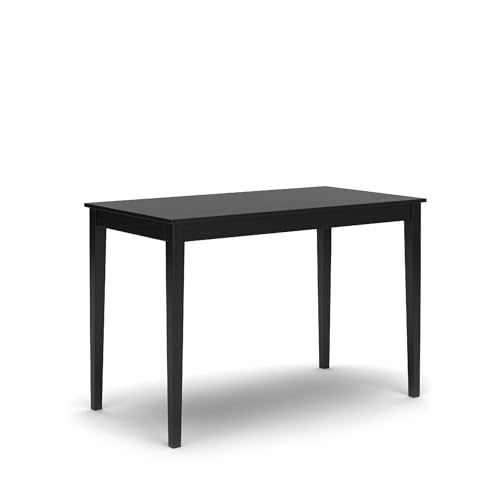
Signature Design by Ashley Kimonte Rectangular Dining Room Table, Black

QLLY 29.5 inch / 75cm Adjustable Metal Desk Legs, Heavy Duty Furniture Table Legs with 1" Leveling Adjustment for DIY Office Desk, Workbench, Dining Table, Set of 4 (Black)

ALLCOS 28 Inch X-Shape Table Legs - Metal Coffee Table Legs, Steel Desk Legs for DIY Furniture Dining Table, Set of 2, Black
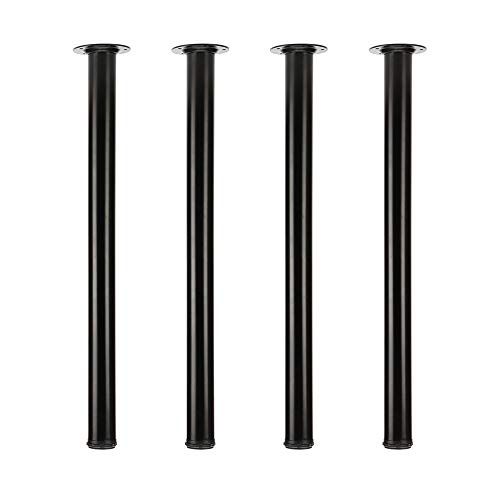
QLLY 27.5 inch/ 70cm Adjustable Metal Desk Legs, Heavy Duty Furniture Table Legs with 1" Leveling Adjustment for DIY Office Desk, Workbench, Dining Table, Set of 4 (Black)
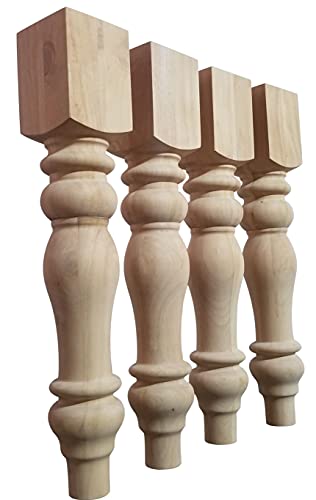
DESIGN 59 Chunky Hardwood Unfinished Farmhouse Dining Table Legs Set of 4 Turned Legs
Disclaimer
The information provided on DiningFit is for educational and informational purposes only. We are not professional interior designers or contractors, and our content should not replace professional advice. Always consult with a qualified expert regarding structural, safety, or design-related concerns. Some content may use AI assistance. Always check product warranties and safety standards before purchasing. If you do not agree, please do not use this website. Read the full disclaimer.