
Fireplace Buying Guide: How to Choose the Right Fireplace
Understand fireplace types, fuel options, sizing, venting, and safety before you buy. This research-ready guide helps you match the right fireplace to your room, your home, and your lifestyle.
Explore Fireplace TypesWhy this guide matters: A fireplace is a long-term investment that affects warmth, indoor air quality, safety, and the overall feel of your home. Buyers who research venting, sizing, and fuel type before shopping make better decisions and avoid costly installation surprises. This guide walks you through every decision point so you can shortlist the right fireplace with confidence.
Fireplace Types at a Glance
The first decision is the fireplace type. Each type differs in installation requirements, heat output, maintenance, and the kind of flame experience it delivers. Below is a practical comparison to help you narrow your options before you compare specific models.
Electric Fireplaces
Plug-in or built-in units that need no venting. They are the simplest to install and work well in apartments, bedrooms, and spaces without a chimney. Many models offer flame-only operation for ambiance without heat.
Gas Fireplaces
Direct-vent and ventless gas models deliver realistic flames with convenient controls. They suit living rooms and dining areas where a permanent heat source is welcome. Professional installation is typically required.
Wood-Burning Fireplaces
Traditional masonry or factory-built fireplaces offer the most authentic experience. They require a chimney or flue, seasoned firewood, and regular chimney maintenance, but deliver strong radiant heat and atmosphere.
Fireplace Inserts
Inserts convert an existing fireplace opening into a more efficient heat source. Gas, wood, and electric inserts improve efficiency and reduce heat loss while preserving the look of a traditional hearth.
If you are still weighing a freestanding heat feature against a built-in hearth, consider how the unit will relate to your seating and dining layout. A fireplace that anchors a conversation area works differently from one placed beside a dining table, and our guide to dining room table and chairs arrangements can help you plan circulation around the hearth.
Vented vs. Ventless: The Decision That Shapes Installation
Venting is the single biggest factor in where and how a fireplace can be installed. Vented fireplaces send exhaust and moisture outdoors through a chimney or flue. Ventless fireplaces are designed to burn fuel cleanly enough that exhaust remains minimal, but they still require manufacturer-approved clearances and, in many cases, oxygen depletion sensors.
| Feature | Vented Fireplace | Ventless Fireplace |
|---|---|---|
| Installation | Requires chimney or flue routing | No chimney needed; easier retrofit |
| Indoor air quality | Exhaust routed outdoors | Minimal exhaust; sensors and clearances required |
| Flame realism | Generally more authentic | Improved realism on premium models |
| Best for | New builds and homes with a flue | Apartments and rooms without a chimney |
Sizing a Fireplace for Your Room
Sizing is about heat output and physical clearance, not just visual proportion. A fireplace that is too large for the room can overheat the space; one that is too small will not deliver meaningful warmth. Start by measuring the room's length, width, and ceiling height to calculate volume, then compare that volume with the manufacturer's rated heating capacity.
As a general rule of thumb, plan for roughly 25 to 30 BTU per cubic foot for primary heating, and less when the fireplace is mainly decorative. Also respect the listed clearances to combustibles, and leave at least 36 inches of clear space in front of the firebox for safety and hearth comfort. If the fireplace will sit near a dining area, factor in chair pull-out space so seating does not crowd the hearth.
Fuel Options and Running Considerations
Fuel choice affects convenience, maintenance, and how the fireplace fits your daily routine. Electric units need only a standard outlet, while gas models may require a gas line and professional connection. Wood-burning fireplaces need seasoned firewood, ash removal, and an annual chimney sweep.
- Electric: Simplest installation, flexible placement, flame-only mode for ambiance.
- Natural gas or propane: Convenient ignition, steady heat, professional connection advised.
- Wood: Authentic radiant heat, requires chimney maintenance and seasoned hardwood.
- Pellet and bio-ethanol: Niche options with specific venting and fuel-handling requirements.
If the fireplace is part of a larger dining or entertaining space, think about how the unit complements the rest of the room. A hearth often pairs well with a kitchen hutch or a dining area storage piece, and the warmth of a fire can make a dining room table and chairs set for 6 feel more inviting during cooler months.
Safety, Clearances, and Installation
Safety requirements vary by fuel type, but a few principles apply across the board. Always follow the manufacturer's clearances to combustibles, keep flammable materials away from the firebox, and install smoke and carbon monoxide detectors nearby. Gas and wood units should be installed by qualified professionals, and any new electrical circuit for a built-in electric fireplace should be handled by a licensed electrician.
Matching the Fireplace to Your Space
Fireplaces work best when they feel integrated into the room rather than added on. In a dining area, a linear fireplace can sit beneath a sideboard-style wall, while a compact electric unit can warm a breakfast nook without major construction. In living spaces, a fireplace often becomes the focal point, so plan seating around it and keep the mantel uncluttered.
Consider how the fireplace relates to nearby furniture. A buffet and sideboard placed opposite the hearth can balance the room, and a dining bench banquette can create a cozy corner near the fire. In open-plan homes, a kitchen island table can share the same sightline, so choose a fireplace style that complements the surrounding materials.
Comparing Tiers Without Guessing
Fireplaces span a wide range of build quality and features. Rather than shopping by number, compare models by tier. Entry-level units typically offer basic flame effects and simpler controls. Mid-range models add improved heating efficiency, remote controls, and better flame realism. Premium and luxury tiers focus on realistic logs, advanced thermostats, and higher-grade surrounds and materials.
| Tier | Typical Characteristics | Best For |
|---|---|---|
| Entry-level | Basic flame effects, manual controls, simpler surrounds | Occasional ambiance and smaller rooms |
| Mid-range | Better heating efficiency, remotes, improved realism | Everyday use in living and dining areas |
| Premium | Advanced thermostats, high-grade materials, refined flame | Primary heat and design-focused spaces |
| Luxury | Custom surrounds, commercial-grade build, smart controls | Statement hearths and high-end renovations |
Installation Checklist
- Measure the room and confirm the required heat output.
- Choose vented or ventless based on your home's structure and local codes.
- Confirm the fuel supply, electrical circuit, or chimney condition.
- Check clearances to combustibles and plan the hearth or surround.
- Book a qualified installer for gas, wood, or hardwired electric units.
- Test detectors and review the manufacturer's maintenance schedule.
Ready to Compare Fireplaces?
Use the checklist above to shortlist the right type, then explore curated fireplace options to compare features, venting, and build quality side by side.
Explore Fireplace OptionsRecommended Fireplaces & Hearth Products
⚠️ AFFILIATE DISCLOSURE: This website contains affiliate links. As an affiliate Associate, we earn from qualifying purchases. If you make a purchase through these links, we may receive a small commission at no additional cost to you. Read our full affiliate policy.

Home Expert Guide to Fireplace Installation and Maintenance: Lasting Safety and Efficiency in Your Home's Hearth
Check price on Amazon
Fire Places: A Practical Design Guide to Fireplaces and Stoves
Check price on Amazon
Constructing a Fireplace Mantel: Step-by-Step from Plywood and Stock Moldings (Schiffer Book for Woodworkers)
Check price on Amazon
The Backyard Fire Pit & Outdoor Fireplace Building Bible: Design and Build Your Own Fire Pit, Fireplace & Outdoor Hearth - Footings, Stone, Brick & Safe Drafting, with 3 Complete Build Plans
Check price on Amazon
Better Homes and Gardens Fireplace Design & Decorating Ideas
Check price on Amazon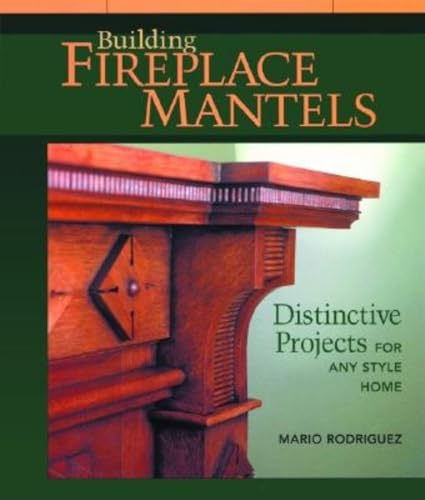
Building Fireplace Mantels: Distinctive Projects for Any Style Home
Check price on Amazon
Fireplace & Mantel Ideas: Over 100 Classic Fireplace Mantel Designs
Check price on Amazon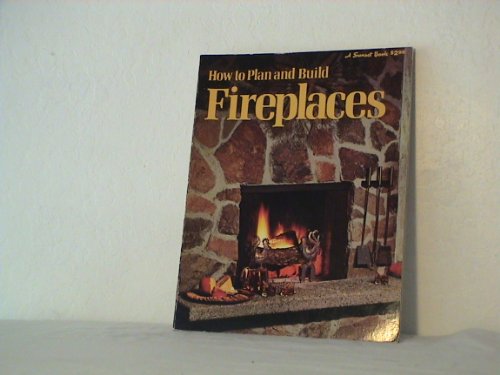
Sunset How to Plan and Build Fireplaces
Check price on AmazonFrequently Asked Questions
What is the difference between vented and ventless fireplaces?
Vented fireplaces route exhaust gases and moisture through a chimney or flue to the outdoors. Ventless fireplaces burn fuel so completely that they release minimal exhaust into the room, but they still require proper clearance, oxygen monitoring, and manufacturer-approved ventilation. Ventless options are easier to install in rooms without a chimney, while vented models generally deliver a more authentic flame and better indoor air quality.
How do I choose the right size fireplace for my room?
Match the fireplace output to the room volume rather than floor area alone. As a rule of thumb, a fireplace should provide roughly 25 to 30 BTU per cubic foot for primary heating and less for decorative use. Measure the room length, width, and ceiling height, then compare that volume with the manufacturer's rated heating capacity. Also leave at least 36 inches of clearance in front of the firebox and respect all listed clearances to combustibles.
Can I install an electric fireplace without professional help?
Many electric fireplaces are designed for straightforward DIY installation because they need only a standard electrical outlet and no venting. However, built-in and wall-mounted units may require framing, dedicated circuits, or hardwiring, and local codes can apply. Always confirm the electrical requirements, follow the manufacturer's clearances, and consult a licensed electrician when a dedicated circuit or new wiring is needed.
What maintenance does a wood-burning fireplace require?
A wood-burning fireplace needs regular ash removal, an annual chimney sweep and inspection, and periodic checking of the firebox, damper, and cap. Burn only seasoned hardwood to reduce creosote buildup. Gas and electric fireplaces require less upkeep but still benefit from cleaning glass, checking seals, and following the manufacturer's service schedule.
Continue Planning Your Space
If the fireplace will anchor a dining or entertaining area, these related guides can help you complete the room:
- Firepit dining table outdoor for extending the hearth concept to your patio.
- Dining room table and chairs set of 8 for larger gatherings around the hearth.
- Solid wood farmhouse dining table and chairs for warm, natural materials that pair well with fireplaces.
- Dining area storage to keep fire tools and linens organized nearby.
- Kitchen hutch for display and storage in adjacent kitchen spaces.
- Antique sideboard for a classic balance opposite the hearth.