
Formal Place Setting: The Complete Step-by-Step Guide
Learn the exact order of plates, flatware, glassware, and napkins so every formal dinner looks polished, balanced, and effortlessly elegant.
START THE GUIDEWhy a formal place setting matters: A properly arranged table tells guests you care about the occasion before a single dish is served. It also makes the meal flow smoothly — every utensil sits exactly where it is needed, in the order it will be used. This guide walks you through each element of a classic formal place setting so you can set the table with confidence, whether you are hosting an intimate dinner or a large holiday gathering.
What Is a Formal Place Setting?
A formal place setting is the arrangement of dinnerware, flatware, glassware, and linens for a multi-course meal. Unlike a casual setting, it includes more utensils, additional glasses, and a carefully structured layout where each piece has a defined position. The goal is order and symmetry: everything a guest needs sits within easy reach, and the placement follows a consistent etiquette that has been refined over generations.
The classic formal setting is built around a central dinner plate, with forks to the left, knives and spoons to the right, glasses above the knife, and a napkin either on the plate or to the left of the forks. Once you understand the logic behind each position, the arrangement becomes intuitive.
Step-by-Step: Building a Formal Place Setting
Work through the following steps in order. Each one adds a layer to the setting, and by the end you will have a complete formal arrangement that is both functional and visually balanced.
Start With the Dinner Plate
Place the dinner plate in the center of the setting, about one inch from the table edge. This plate is the anchor for everything else, so take a moment to position it evenly relative to the chair.
Add the Salad Plate on Top
For a formal multi-course meal, rest the salad plate directly on the dinner plate. If a soup course is served, the soup bowl sits on top of the salad plate instead.
Place Forks on the Left
Arrange forks to the left of the plate, working from the outside in. The salad fork goes on the far left, then the dinner fork closest to the plate. This order mirrors the sequence of courses.
Place Knives and Spoons on the Right
Knives go to the right of the plate with blades facing inward toward the plate. The dinner knife sits closest to the plate, with the soup spoon to its right and any smaller spoon farther out.
Position the Glasses
Place glasses above the knives on the right. The water goblet sits closest to the center, with wine glasses arranged in the order they will be used, slightly to the right and above the goblet.
Add the Napkin
The napkin can sit folded on the salad plate or to the left of the forks. A simple fold or a neat roll keeps the setting clean and lets the dinnerware take visual priority.
Place the Bread Plate and Butter Knife
Set the bread plate above and to the left of the forks, with a small butter knife resting across it. This is the one piece that sits on the upper-left side of the setting.
Finish With Centerpiece and Lighting
Keep the center of the table low and uncluttered so guests can see each other. A small floral arrangement and soft lighting complete the formal look without distracting from the place setting.
Flatware Order: The Outside-In Rule
The single most important rule for formal flatware is simple: use utensils from the outside in. The piece farthest from the plate is used first, and you work your way inward with each course. This is why the salad fork sits on the far left and the dinner fork sits next to the plate.
A standard formal setting includes a salad fork, dinner fork, dinner knife, soup spoon, and sometimes a dessert spoon or butter knife. If more than three forks are needed, the extra pieces are brought out with the relevant course rather than placed at the start. Keeping the arrangement to the essentials avoids a crowded look and keeps the setting easy to read.
Glassware: Which Glass Goes Where
Glassware follows a clear hierarchy. The water goblet is always the largest and sits closest to the center, directly above the dinner knife. Wine glasses are arranged to the right of the water goblet in the order they will be used: white wine first, then red wine if both are served. A champagne flute, when included, sits at the far right.
A useful habit is to imagine a diagonal line running from the dinner knife up to the glasses. Each glass steps slightly upward and outward along that line, which keeps the arrangement balanced and prevents crowding.
Choosing Dinnerware for a Formal Setting
The dinnerware you select shapes the overall tone of a formal table. Rather than focusing on numbers, think in terms of quality tiers. The table below describes what each tier typically offers so you can match the dinnerware to the occasion and to how often you entertain.
| Tier | What It Typically Offers | Best For |
|---|---|---|
| Entry-level tier | Simple porcelain or stoneware with clean glazes and reliable everyday durability | First formal dinners, occasional hosting, building a basic set |
| Mid-range tier | Refined shapes, consistent glazing, chip-resistant edges, and coordinated serving pieces | Regular entertaining, holiday meals, mixed-course menus |
| Premium tier | Bone china or high-fired porcelain with delicate rims and elegant detailing | Frequent formal hosting, anniversary dinners, refined table styling |
| Luxury tier | Hand-finished porcelain, platinum or gold accents, and heirloom-level craftsmanship | Special occasions, collector sets, long-term investment pieces |
A practical approach is to choose a mid-range tier as your core formal set and add premium or luxury accent pieces over time. This keeps the table cohesive while letting you build toward a more refined collection. Whatever tier you choose, look for dinnerware that is dishwasher-safe if you entertain often, and check that the plates stack neatly in your cabinet.
Flatware and Glassware: Matching the Setting
Flatware and glassware should complement the dinnerware without competing with it. For flatware, entry-level tier sets in stainless steel are durable and easy to maintain, while mid-range tier sets offer a heavier hand-feel and more refined finishes. Premium and luxury tier flatware often uses higher-grade steel with a mirror or brushed finish that holds up beautifully over years of use.
For glassware, the essential tier covers a water goblet and a universal wine glass. A balanced tier adds a separate red wine glass and a champagne flute, which covers most formal menus. Top-tier glassware is typically lead-free crystal with thin rims and a clearer finish, and it is best reserved for occasions where the table is the centerpiece of the evening.
Common Formal Place Setting Mistakes to Avoid
- Placing the knife blade outward. The blade should always face the plate, both for safety and for a polished look.
- Crowding the setting. Leave about 15 inches of space per guest so elbows and glassware do not collide during the meal.
- Putting more than three forks on the table. Bring additional utensils out with their course instead of lining up every piece at once.
- Forgetting the bread plate position. The bread plate belongs above and to the left of the forks, not on the right side.
- Using a tall centerpiece. Keep the centerpiece low so guests can converse across the table without leaning.
Recommended Dinnerware and Flatware for Formal Place Settings
⚠️ AFFILIATE DISCLOSURE: This website contains affiliate links. As an affiliate Associate, we earn from qualifying purchases. If you make a purchase through these links, we may receive a small commission at no additional cost to you. Read our full affiliate policy.

Rubtlamp 175 Pcs Plastic Dinnerware Set (25 Guests), Clear And Gold Plastic Plates, Hammered Party Plates Include Dinner Plates,Dessert Plates,Cups, Gold Cutlery Set And Napkins for Party&Thanksgiving
Check price on Amazon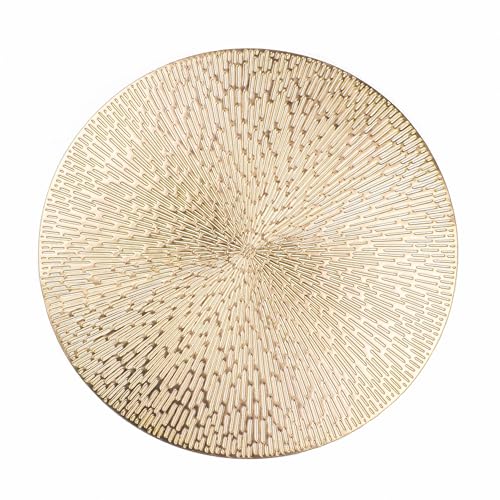
Snowkingdom Gold Placemats Round Set of 8, Gold Metallic Hollow Vinyl 15 Inch Round Placemat, Washable Wipeable Easy Clean Non Slip Stain Kitchen Dining Table Place Mats for Wedding Party Decoration
Check price on Amazon
Juvale 10 Pack Gold Vinyl Placemats - 14.4" x 14.4" Round Table Mats and Plate Chargers with Leaf Design for Elegant Table Decor and Protection - Stylish Charger Plates for Events and Wedding Parties
Check price on Amazon
Gold Placemats Set of 8 Table Mats Gold Charger Plates Place Mats & 8 Pcs Coasters Wipeable Modern Holiday Round Placemats for Christmas Thanksgiving Farmhouse Wedding Dining Table Setting Decor
Check price on Amazon
125 Pack Ivory and Gold Scalloped Thanksgiving Plates Dinnerware Set, 25 Place Settings with Plates, Forks, Spoons and Knives, Heavy Duty Gold Rimmed Set for Holiday Dinners and Parties
Check price on Amazon
Reed & Barton Dalton 5Pc Flatware Place Setting, 5 Piece, Silver | silver | flatware set | 1 place setting | service for 1 | 1 knife, 2 spoons & 2 forks | heavy duty cutlery kitchen & dining
Check price on AmazonSetting the Mood Around the Place Setting
A formal place setting works best when the surrounding table supports it. Keep the linens simple and pressed, choose a low centerpiece that does not block sightlines, and use soft, warm lighting rather than bright overhead light. Candles should sit above eye level or be kept short enough that they do not interfere with conversation.
If you are building a complete formal dining space, it helps to think about the table and seating as well. A round table encourages conversation and gives every guest an equal view of the setting, while a rectangular table with a long runner can make a formal arrangement feel even more deliberate. Pairing your place setting with a considered centerpiece and the right lighting completes the experience.
Continue Exploring DiningFit
Ready to Set a Formal Table?
Browse our recommended dinnerware and flatware selections to complete your formal place setting with confidence.
Explore RecommendationsFrequently Asked Questions
How far from the table edge should a plate be placed?
Place the dinner plate about one inch from the edge of the table. This gives guests comfortable room to sit and keeps the setting visually balanced.
Which fork is used first in a formal setting?
The fork farthest from the plate is used first. This follows the outside-in rule, so the salad fork on the far left is typically used before the dinner fork.
Where does the napkin go in a formal place setting?
The napkin can be folded on the salad plate or placed to the left of the forks. Both are acceptable; choose the option that looks cleanest with your napkin style.
Do I need a charger plate for a formal setting?
A charger plate is optional. When used, it sits under the dinner plate as a decorative base and is removed before the main course is served.
How many glasses should a formal place setting have?
A classic formal setting includes a water goblet and one or two wine glasses. Add a champagne flute only if that course is being served.