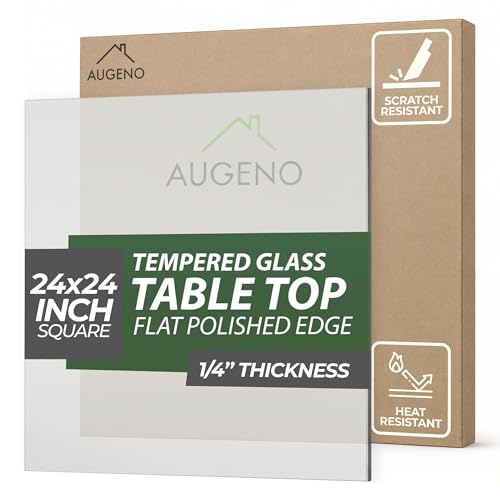
If your glass table top is cracked, scratched, or simply outdated, a glass table top replacement can breathe new life into your dining space. Whether you're dealing with a shattered tempered glass table top or want to upgrade to a more durable option, this comprehensive guide covers everything you need to know.
Why Replace Your Glass Table Top?
Replacing a damaged glass top is often more cost-effective than buying an entirely new table. Modern replacement options offer improved durability, safety features, and custom sizing that can perfectly match your existing base or furniture style.
Types of Glass for Table Top Replacement
Choosing the right glass type is crucial for safety, durability, and aesthetics. Here are the most common options for glass table top replacement:
Tempered Glass
Tempered glass table top is the industry standard for modern dining tables. It's heat-treated to be four to five times stronger than standard glass. When shattered, it breaks into small, rounded pieces rather than dangerous shards, making it the safest choice for homes with children or pets. Tempered glass is required by law in many regions for furniture applications.
Laminated Glass
Laminated glass consists of two glass layers bonded with a plastic interlayer. This construction holds the glass together even when shattered, providing excellent impact resistance and sound insulation. It's an ideal choice for custom glass table top installations where safety is a primary concern.
Annealed Glass
While less expensive, annealed glass is not recommended for table tops. It breaks into sharp, dangerous shards and lacks the strength of tempered options. If budget is a concern, consider plexiglass table tops as a safer, more affordable alternative.
Safety First
Always choose tempered or laminated glass for your glass tops for tables. This is not just a recommendation—it's a matter of safety. Never compromise on glass quality for the sake of saving money.
How to Measure for a Replacement Glass Top
Accurate measurement is essential for a perfect fit when ordering a glass table top replacement. Follow these steps to ensure you get the right size:
- Measure the base dimensions: If replacing an existing glass top, measure the current top's length and width. For custom orders, measure the table base's outer edges.
- Consider overhang: Standard overhang ranges from 1 to 2 inches on each side, depending on your preference and table style.
- Round corners: If your existing table has rounded corners, specify the radius. Common radii include 1/2-inch, 1-inch, or 2-inch.
- Note thickness: Standard table top thickness is 1/4 inch (6mm) or 3/8 inch (10mm). Thicker glass offers more stability and a premium look.
- Edge finish options: Choose from polished (smooth and reflective), beveled (angled edge), or flat-polished for different aesthetic effects.
Pro Tip
When measuring for custom glass table top projects, always measure at least twice. Consider ordering a template from your glass supplier to ensure perfect fit, especially for irregularly shaped tables.
Glass Table Top Replacement Cost
The cost of replacing a glass table top varies based on size, thickness, glass type, and finish. Here's a breakdown of typical pricing:
| Glass Type | Size (in inches) | Estimated Cost |
|---|---|---|
| Tempered Glass (1/4") | 24" x 48" | $800+ |
| Tempered Glass (3/8") | 36" x 60" | $800–$2,500 |
| Tempered Glass (1/2") | 42" x 72" | $2,500 |
| Laminated Glass (1/4") | 30" x 54" | $800–$2,500 |
| Plexiglass / Acrylic | 36" x 60" | $800+ |
For custom glass table top orders with special edge finishes, beveling, or unique shapes, expect to pay at the higher end of these ranges. Installation services may add an additional $100–$300 depending on complexity and location.
Installation Guide for Your Replacement Glass Top
Installing a glass table top replacement is straightforward, but proper technique ensures safety and longevity. Follow this step-by-step guide:
- Prepare the base: Clean the table base thoroughly and remove any old adhesive or cushioning.
- Add bumpers or pads: Apply clear silicone bumpers or felt pads to the base where the glass will sit. This prevents direct contact and reduces stress on the glass.
- Position the glass: Carefully lift the glass—using suction cups for safety—and lower it onto the pads. Ensure even alignment on all sides.
- Check stability: Gently test the glass's stability by applying light pressure. Ensure it doesn't wobble or shift.
- Clean and polish: Use a glass cleaner and microfiber cloth to remove fingerprints and smudges.
If you're replacing a top on a table with metal base or similar structure, ensure the mounting hardware is compatible with your new glass. Some modern tables use specialized clips or brackets that require specific glass edge treatments.
When to Replace Your Glass Table Top
Consider a glass table top replacement in these situations:
- Visible damage: Cracks, chips, or deep scratches that compromise safety or aesthetics.
- Cloudiness or discoloration: Permanent stains or etching from acidic spills or improper cleaning.
- Upgrading style: Transitioning from clear to frosted, tinted, or patterned glass for a fresh look.
- Changing size: Moving to a larger table base or adjusting dimensions for a different space.
- Safety concerns: If your current top is made of annealed glass or shows signs of weakness.
Care and Maintenance for Your New Glass Top
Proper care ensures your glass table top replacement stays beautiful for years. Follow these maintenance tips:
- Clean with a microfiber cloth and glass cleaner formulated for tempered glass.
- Avoid abrasive cleaners, scouring pads, or razor blades that can scratch the surface.
- Use coasters, trivets, and placemats to protect the glass from heat and scratches.
- For outdoor tables, consider a waterproof cover for table to protect your glass from weather damage.
- Inspect bumpers and pads annually, replacing worn ones to maintain proper cushioning.
Important Reminder
Even tempered glass can break under extreme pressure or impact. Always handle your glass table top with care, especially during cleaning or when rearranging furniture. For added protection, consider toughened glass table options with enhanced durability.
Making the Right Choice for Your Space
A glass table top replacement is an investment in both safety and style. Whether you opt for a tempered glass table top for maximum safety, a custom glass table top for the perfect fit, or explore plexiglass table tops for a lightweight alternative, this guide has provided the essential knowledge needed to make an informed decision.
Remember to choose certified suppliers who comply with safety regulations, verify your measurements multiple times, and always prioritize tempered or laminated glass for peace of mind. A well-chosen replacement glass top can transform your dining space and serve your family safely for years to come.