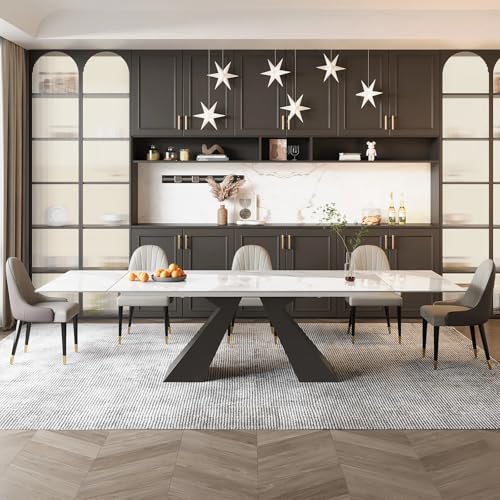
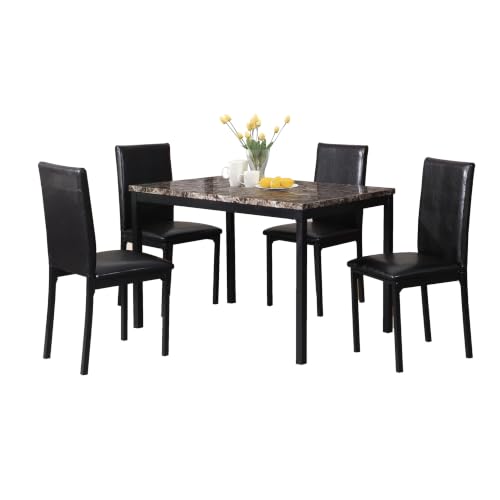
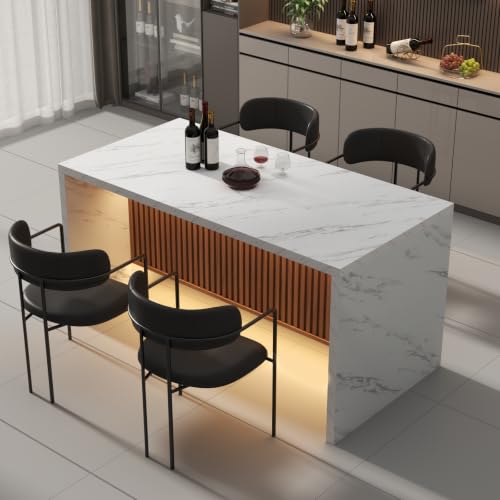
A granite dining table is more than just a piece of furniture; it's an investment in style, durability, and the heart of your home. Known for its natural beauty and incredible resilience, granite has become a top choice for homeowners seeking a dining table that can withstand daily life while making a stunning visual statement.
When you're in the market for a granite dining table, you're choosing a surface that is naturally resistant to scratches, heat, and stains. This makes it an ideal choice for families, those who love to entertain, or anyone who wants a table that will look beautiful for decades. However, with so many options available, from color and finish to edge profiles and base styles, the buying process can feel overwhelming. This comprehensive guide is designed to demystify everything you need to know, helping you make a confident and informed decision.
Key Takeaway: A granite dining table is a long-term investment that offers unmatched durability and a unique aesthetic. The following guide will help you navigate the selection process, ensuring you choose a table that perfectly fits your lifestyle, space, and design preferences.
Why Choose a Granite Dining Table?
Granite is a natural stone, which means every table is one-of-a-kind. It offers a sophistication that is hard to replicate with other materials. Here are some of the primary benefits that make granite a superior choice for your dining room.
Unmatched Durability
Granite is one of the hardest natural stones. It's incredibly resistant to chips, scratches, and cracks, making it perfect for a high-traffic area like the dining room. You can place hot pots and pans directly on the surface without worry.
Unique Aesthetic
Each slab of granite features a unique pattern of flecks, veins, and color variations. This natural artistry ensures your table will be a true original, adding character and elegance to your space.
Easy Maintenance
Once properly sealed, a granite surface is highly resistant to staining and bacteria. Daily cleaning is simple, requiring only mild soap and water, ensuring your table stays hygienic and beautiful.
Beyond its practical benefits, granite adds a sense of permanence and luxury to a dining room. It can be a striking focal point, whether you're going for a classic formal look or a more contemporary, modern vibe. Its versatility is unmatched, pairing beautifully with materials like wood, metal, and upholstery. For those who love the aesthetic but are working with a smaller footprint, exploring compact dining table designs in granite can be a fantastic solution.
Choosing the Perfect Granite Table for Your Home
Selecting the right granite dining table involves considering several factors. This section will break down the key decisions you'll need to make, from the color of the stone to the style of the base.
1. Granite Color and Pattern
Granite comes in a vast array of colors, from classic whites and blacks to rich blues, greens, and browns. The choice often depends on your existing decor and the mood you want to create. A luxury dining table in a deep black granite, for example, can create a dramatic and sophisticated atmosphere, while a lighter, speckled granite can make a small space feel more open and airy. Consider the "movement" of the stone—the swirls and veins—as this adds to the table's character. If you prefer a more uniform look, stones like Absolute Black or White Ice are excellent choices. For a more dynamic pattern, look at stones like Blue Pearl or Santa Cecilia.
2. Edge Profile
The edge of your granite table might seem like a minor detail, but it significantly impacts the overall style and safety. Common edge profiles include:
- Eased Edge: A simple, squared-off edge that is clean and modern.
- Beveled Edge: Features a slight angle, adding a touch of classic elegance.
- Bullnose Edge: A fully rounded edge that is soft to the touch, making it a great choice for families with children.
- Ogee Edge: An elegant, S-shaped profile that is typical in more formal or traditional settings.
3. Base Style
The base of your dining table is as important as the top. It dictates the table's overall silhouette and can dramatically change the feel of the room. You can choose from a variety of styles, including:
- Pedestal Base: A central column, which offers more legroom and a classic look. You can find a beautiful pedestal dining table style that fits your aesthetic.
- Trestle Base: Features two or more supports connected by a beam, offering a rustic or farmhouse charm. This style works well in farmhouse dining room settings.
- Leg Base: The most traditional style, with four legs at each corner. This is a versatile option that suits any decor.
- Metal Base: For a modern or industrial look, a sleek metal base can contrast beautifully with the natural stone top.
When choosing the base, consider the number of people you typically need to seat. A base style that doesn't allow for chairs to slide under easily can limit seating. For smaller spaces, a standard dining table size in granite with a clever base design can be the perfect fit.
Granite Dining Table Price Guide
The cost of a granite dining table can vary widely based on the quality of the stone, the size, and the complexity of the base. Here’s a general overview of what to expect:
- Entry-Level (Smaller or less unique granite): $1,200+
- Mid-Range (Standard sizes, popular colors): $1,800–$3,500
- Premium (Large, unique, or high-end granite): $4,000–$8,000+
For the most accurate pricing, use the product widgets below to explore current listings on Amazon, which offer real-time prices and a wide variety of styles.
Granite Table Maintenance: A Simple Guide
One of the main reasons people choose granite is its low maintenance. However, to keep your table looking its best, a few simple steps are required.
- Sealing: Granite is naturally porous. A high-quality sealant is applied to protect the stone from absorbing liquids that can stain. This sealant doesn't last forever. As a rule of thumb, you should test and reseal your table at least once a year. You can test it by dropping a few drops of water on the surface. If they bead up, the seal is still good. If they soak in, it's time to reseal.
- Daily Cleaning: For everyday cleaning, use a soft cloth, warm water, and a mild dish soap. Avoid harsh chemicals, acidic cleaners (like vinegar or lemon), and abrasive scrubbers, as these can damage the sealant and dull the surface.
- Protecting the Surface: While granite is heat-resistant, using trivets or hot pads for cookware is still a good practice. Using coasters for acidic drinks like wine or fruit juice will help protect the sealant and prevent any possible etching.
By following these simple maintenance steps, your durable dining table will retain its luster and beauty for generations, making it a worthwhile investment for your home.
Styling Your Granite Dining Table
A granite table is a stunning foundation for any dining room, but the right decor can truly make it shine. The key is to balance the weight and solidity of the stone with softer, more textured elements.
- Table Linens: Dining table runners are a fantastic way to add color, pattern, and texture to your granite top. A simple runner can break up the stone's surface and create a central focal point.
- Centerpieces: Greenery in a beautiful vase, a collection of candles, or a decorative bowl can add visual interest and soften the formality of the stone. The natural beauty of granite provides a perfect backdrop for both modern and rustic centerpieces.
- Chairs: The choice of dining chairs is crucial. The color and material of the chairs can dramatically alter the room's vibe. For a modern look, pair the table with sleek modern dining room chairs in a contrasting color. For a warmer feel, opt for wood or upholstered chairs. If you're considering a more classic look, granite pairs exceptionally well with the clean lines of Parsons dining chairs.
Remember: The goal is to create a cohesive and inviting space. Use your dining table as the anchor and build the room around it with complementary lighting, decor, and seating.