
Height Chairs: The Complete Guide to Bar and Counter Seating
Everything you need to know about bar height chairs, counter height chairs, and tall dining seating — measurements, styles, comfort, and how to match the right chair to your space.
Explore the Buying FactorsWhy height chairs matter: A chair that is even a few inches off from your counter or table can turn a comfortable perch into a daily annoyance. This guide explains the standard seat heights, the ergonomic gap you should aim for, and the design choices that separate a good height chair from a great one — so you can decide with confidence before you buy.
What Exactly Are Height Chairs?
Height chairs is an umbrella term for seating built taller than a standard dining chair, which typically sits at a seat height of about 17 to 19 inches. This taller family includes bar stools, counter stools, high stool chairs, and tall dining chairs designed for raised tables. The one thing they share is a seat height that lifts you to the level of a higher surface — whether that is a kitchen island, a pub-style table, or a home bar.
Because these chairs are defined by their vertical proportions rather than a single style, they range from sleek backless metal stools to fully upholstered high-back dining room chairs with arms. The right choice depends on the surface you are pairing them with, the amount of floor space you have, and how long you expect people to sit.
Many shoppers begin by browsing high stool chairs for casual counter seating, while others start with high stools when they want a more compact footprint. Either way, the measurements below are the foundation of every good decision.
Standard Seat Heights at a Glance
Before comparing styles, get the numbers straight. The table below shows the typical seat heights and matching surface heights for the three main categories of raised seating. Use it as a starting point, then fine-tune based on the people who will use the chairs most.
| Category | Typical Seat Height | Matching Surface Height | Best For |
|---|---|---|---|
| Standard dining chair | 17–19 inches | 28–30 inches | Everyday meals and formal dining rooms |
| Counter height chair | 24–26 inches | 35–37 inches | Kitchen islands and breakfast bars |
| Bar height chair | 28–30 inches | 40–42 inches | Home bars, pub tables, and high-top counters |
| Extra-tall / spectator stool | 32 inches and up | 44 inches and up | Specialty bars and standing-height counters |
The universal rule is to leave a gap of about 9 to 12 inches between the seat and the underside of the surface. Too little and your knees hit the counter; too much and the chair feels disconnected. This simple ratio is the single most reliable way to avoid a mismatched set.
If you are still working out the surface side of the equation, our guide to the height of a standard kitchen table explains how dining surfaces are sized, and the piece on bar height covers the vertical standards used in home entertaining areas.
How to Measure Before You Choose
Measure twice, sit once. A five-minute measuring session prevents the most common height chair mistake: ordering a stool that is two inches too short or too tall for the counter.
- Measure floor to countertop. Use a tape measure from the floor to the top edge of the counter or table, not to the overhang underneath.
- Subtract the clearance gap. Take 9 to 12 inches off that surface height to find your target seat height. For a 36-inch counter, a 24- to 26-inch seat is the sweet spot.
- Check the overhang depth. Counter overhangs should be at least 12 inches deep for comfortable knee room; a shallow overhang means a backless stool is a smarter fit than a bulky upholstered chair.
- Account for the user. Shorter diners benefit from the lower end of the range, taller users from the upper end. If children will use the seating regularly, consider a mid-range counter height chair rather than a tall bar stool.
- Factor in the footrest. A footrest should sit roughly 7 to 9 inches below the seat so feet rest naturally rather than dangling.
For raised dining arrangements, the same logic applies to table-and-chair pairings. Our guides to high table and chairs and high-top table and chairs walk through matched sets, while high-top seating covers the broader category of elevated dining arrangements.
Bar Height vs. Counter Height: Which Do You Need?
The choice between bar height and counter height seating usually comes down to the room you already have. Kitchen islands, peninsulas, and breakfast bars are almost always built at counter height, which makes counter height chairs the natural match. Dedicated home bars, pub tables, and high-top bistro tables sit taller and call for bar height seating.
It helps to know that mixing the two categories rarely works. A bar height chair at a counter height island leaves users perched too high, with knees banging the countertop. If your space has both a kitchen island and a separate bar, choose each set independently rather than trying to split the difference with one universal chair.
For homeowners planning a complete raised dining setup, the guides to high-top dining tables and high-top dining table sets for four show how chairs and tables are matched by height. Those building a lounge-style bar area can browse home bar sets and home bars for coordinated pieces.
Styles of Height Chairs and Where They Fit
Once the height is settled, style becomes the deciding factor. These are the main types you will encounter and the spaces they suit best.
Backless Bar Stools
Compact and easy to tuck under an overhang, backless stools suit casual kitchen counters and short sit-downs. They read as a clean, uncluttered choice in modern and industrial rooms.
Counter Stools with Backs
Adding a low or mid-height backrest improves support for longer meals. These are the workhorses of kitchen island seating and work well in family homes.
Upholstered High-Back Chairs
Padded tall dining chairs bring a sense of occasion to raised tables. They are heavier and need more clearance, but they offer the most comfort for extended dining.
Swivel and Adjustable Stools
Gas-lift or screw-adjustable models let one chair serve multiple surfaces. They are practical for multipurpose rooms and home offices with standing desks.
Wooden High Stools
Solid wood frames with a rustic or farmhouse finish pair naturally with timber counters and cottage-style kitchens. Durable and easy to refinish over time.
Metal and Industrial Stools
Powder-coated steel and distressed metal finishes bring a loft aesthetic. They are typically heavy-duty and wipe clean easily, making them good for busy households.
If your room leans toward a specific aesthetic, browsing industrial dining chairs or green dining chairs can help you visualise how a colour or finish plays against your counter and cabinetry. For a more classic raised table setup, high-back dining room chairs and high-back upholstered dining chairs with arms show how taller backs change the feel of a dining zone.
Comfort and Ergonomics: What Separates Good from Great
Height chairs are often used in short bursts, but that does not mean comfort should be an afterthought. A well-designed chair supports the body at every contact point: feet, thighs, and lower back.
- Footrest placement. A footrest positioned about 7 to 9 inches below the seat keeps feet from dangling, which reduces pressure on the thighs and lower back.
- Seat depth and contour. A gently contoured seat with a slight waterfall front edge helps circulation during longer meals.
- Backrest angle. A slight recline of 5 to 10 degrees is more comfortable than a perfectly vertical back, especially for chairs used at dining height.
- Cushioning and upholstery. Firm, high-density foam holds its shape better than soft fill. Removable covers are a practical bonus in homes with pets or children.
- Stability. A wide base, splayed legs, or a ring footrest all improve stability at taller heights where tipping risk is higher.
For those planning a full raised dining set, pairing these comfort features with the right table makes all the difference. Our guide to high table and chairs covers coordinated sets, and high-top cocktail tables shows how standing-height surfaces pair with stools.
Materials and Durability
Because height chairs often live in high-traffic zones — kitchen islands, breakfast bars, and open-plan living areas — material choice has a direct impact on how long they last.
| Material | Key Strength | Considerations | Tier Guidance |
|---|---|---|---|
| Solid hardwood | Long-term durability and refinishability | Heavier; needs occasional polishing | Mid-range to premium |
| Powder-coated steel | Heavy-duty build and easy cleaning | Can scratch without protective feet | Entry-level to mid-range |
| Rattan and woven | Light, airy look for coastal rooms | Best kept away from direct moisture | Entry-level to balanced tier |
| Upholstered frames | Comfort for long meals | Fabric needs spot cleaning | Mid-range to high-end tier |
| Aluminum (outdoor-rated) | Rust-proof finish and light weight | Confirm outdoor rating before buying | Balanced tier to top-tier |
Whatever material you choose, look for a solid build at the joints and a finish that matches the way the chair will be used. In a busy family kitchen, a reinforced metal frame often makes more sense than a delicate timber one; in a formal raised dining room, a hardwood frame with upholstery is the more fitting long-term investment.
If your height chairs will sit near a dining table with a statement top, our guide to the handcrafted dining table explains how finishes and proportions can be coordinated.
Space Planning: How Many Chairs Will Actually Fit
Taller chairs take up more visual and physical space than standard dining chairs. As a rule of thumb, allow about 24 inches of width per chair along the counter or table edge, plus a couple of inches of breathing room between seats so elbows do not collide.
Depth matters too. A stool with a backrest needs roughly 15 to 18 inches of clearance from the edge of the counter to the wall behind it so it can be pulled out comfortably. Backless stools need less, but still require enough room for someone to step up.
In a compact kitchen, a two- or three-seat arrangement along an island is often more comfortable than squeezing in four. For inspiration on making a small footprint work, the guides to islands with seating and kitchen island chairs show practical layouts, while kitchen bar seating covers the options for a dedicated bar zone.
If you are layering lighting over the seating area, our article on the height of a chandelier over a dining table helps you keep pendants and fixtures at a comfortable level above taller chairs.
Outdoor Height Chairs: What Changes
Outdoor raised seating has to survive sun, rain, and wind, so the material rules are stricter. Choose chairs explicitly rated for exterior use, with weather-resistant coatings and rust-proof finishes. Avoid indoor upholstery outdoors unless it is specifically designed for the purpose.
Wind is an underrated factor for tall, lightweight seating on patios and decks. Heavier frames or weighted bases are the safer choice in exposed locations. Our guide to heavy outdoor dining furniture for windy areas covers the practical considerations.
For covered patios and balconies, matched outdoor sets make the planning easier. Browse high-top outdoor dining table sets for six, high-top outdoor table sets, and high-top patio table and chairs with umbrella to see how outdoor height seating is typically assembled.
Five Common Mistakes to Avoid
1. Ignoring the clearance gap
Buying a chair without measuring the counter is the most frequent error. Always subtract 9 to 12 inches from the surface height.
2. Mixing bar and counter heights
Bar height chairs at a counter height island leave users perched too high. Keep the categories separate within one seating zone.
3. Overlooking the footrest
Dangling feet strain the lower back over time. A footrest at the right level is not a luxury — it is basic ergonomics.
4. Crowding the counter
Allowing less than 24 inches of width per chair creates elbow collisions and makes the seating feel cramped.
5. Forgetting outdoor ratings
Indoor stools used outside will warp, fade, or rust. Confirm the weather resistance of the frame and finish before buying.
Recommended Height Chairs & Bar Stool Products
⚠️ AFFILIATE DISCLOSURE: This website contains affiliate links. As an affiliate Associate, we earn from qualifying purchases. If you make a purchase through these links, we may receive a small commission at no additional cost to you. Read our full affiliate policy.

Nalupatio Modern Bar Stools Set of 2, Adjustable Faux Leather Upholstered Swivel Bar Stools, Counter Height Bar Chairs with Back for Kitchen Island, Black
Check price on Amazon
GRUSIGN Bar Stools Set of 2, Modern Swivel Adjustable Bar Chairs, Faux Leather Upholstered Counter Height Bar Stools with Backrest, Comfort Barstools for Kitchen Island, Home Bar, Black
Check price on Amazon
BestOffice Ergonomic Office Chair | Mid-Back Swivel Desk Chair | Dark Black | with Lumbar Support, Adjustable Height & Breathable Backrest | Sponge Seat & Rolling Wheels | for Home, Office | Pack of 1
Check price on Amazon
HOOBRO Bar Stools, Set of 2 Bar Chairs, Counter Height Stools, Saddle Barstools with Curved Surface, 24.8 Inches, 2.4" Thick Upholstery, for Kitchen, Dining Room, Cafe Black BB10BY01
Check price on Amazon
Baby Trend Sit Right 2.0 3-in-1 High Chair - Cozy Grey
Check price on Amazon
Baby Trend Sit Right 2.0 3-in-1 High Chair, Cozy Pink
Check price on Amazon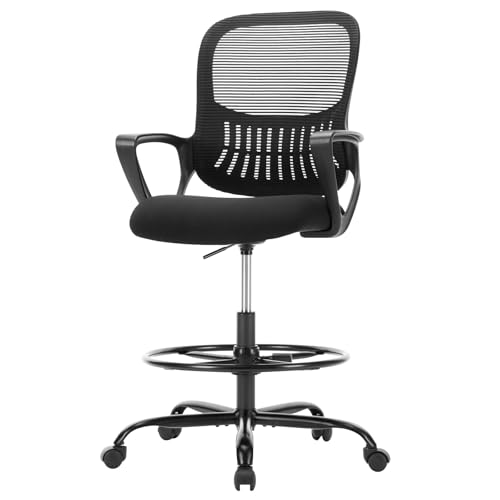
Sweetcrispy Ergonomic Tall Drafting Chair, High Office Desk Chair | Comfy Lumbar Support, Adjustable Height, Footrest, Fixed Arms, Counter, Dark Black
Check price on Amazon
Primy Drafting Chair Tall Office Chair with Flip-up Armrests Executive Ergonomic Computer Standing Desk Chair with Lumbar Support and Adjustable Footrest Ring (Black)
Check price on AmazonFrequently Asked Questions About Height Chairs
What is the difference between bar height and counter height chairs?
Counter height chairs typically have seat heights around 24 to 26 inches and pair with counters roughly 35 to 37 inches tall. Bar height chairs usually have seat heights of 28 to 30 inches and are designed for bars and high tables standing about 40 to 42 inches tall.
How much clearance should I leave between the seat and the counter?
A comfortable gap of about 9 to 12 inches between the top of the seat and the underside of the counter or table leaves room for your legs and keeps the seating ergonomic.
Can height chairs be used outdoors?
Only if the chair is explicitly rated for outdoor use. Look for weather-resistant coatings, rust-proof finishes, and materials such as powder-coated aluminum or treated hardwood. Indoor chairs may warp or fade when exposed to moisture and direct sun.
Should height chairs have a backrest?
Backless stools are easier to tuck under a counter and suit casual, short sit-downs. Chairs with backrests provide better lumbar support and are preferable for longer meals or for anyone who spends extended time seated.
How many height chairs fit along a kitchen island?
Allow about 24 inches of width per chair along the counter edge. A standard six-foot island comfortably seats three to four people, while a smaller four-foot island is best with two.
Do I need to match height chairs to my dining chairs?
Not necessarily. Height chairs usually live in a separate zone from the main dining table, so they can follow a different style. What matters is that they match the surface they are paired with and feel cohesive with the surrounding room.
Final Thoughts
Height chairs are one of those purchases where a little research goes a long way. The difference between a chair that feels natural and one that feels awkward usually comes down to a few inches of seat height and a handful of ergonomic details. Measure your surface, subtract the clearance gap, then let style and material guide the rest.
From there, the choice becomes about the room you are building: a casual breakfast bar, a formal raised dining table, or an outdoor entertaining space. Whichever direction you take, the guides on high-top kitchen tables, high-top dining room tables, and high-top dining room table sets with six chairs offer a natural next step once your chair measurements are set.