Your Complete Guide to Marble Dining Tables
Choosing a marble dining table is an investment in style and longevity. Whether you're furnishing a new home or upgrading your current space, marble offers unmatched elegance. This guide covers everything from types of marble to maintenance, helping you make an informed decision.
Types of Marble for Dining Tables
Carrara Marble
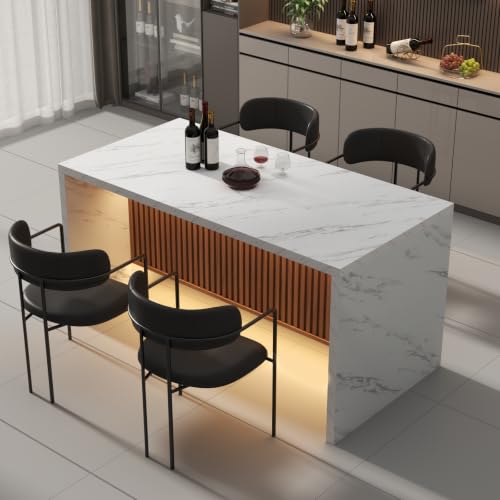
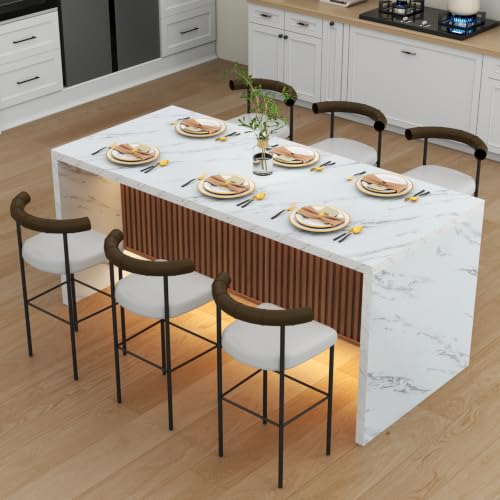
The classic choice — soft white background with subtle gray veining. It's versatile and blends with any decor style, from modern to traditional. Ideal for those who love a light, airy aesthetic.
- Pros: Timeless, brightens room, pairs with any color.
- Cons: Porous, requires sealing.
Calacatta Marble
Luxurious and dramatic — white base with bold, thick gray or gold veining. Often used in high-end designs. It makes a statement and elevates the entire dining room.
- Pros: Striking visual impact, unique veining.
- Cons: More expensive, delicate.
Nero Marquina (Black)
Deep black with white veining — creates a bold, contemporary look. Perfect for modern or industrial spaces. It hides stains better than white marbles.
- Pros: Dramatic, stains less visible, versatile.
- Cons: Shows dust and fingerprints.
Travertine & Onyx
Travertine offers earthy tones with natural pits and holes, while onyx provides translucent beauty. Both are unique but require more care.
- Pros: Natural, organic texture, warm colors.
- Cons: Highly porous, needs frequent sealing.
Shapes & Sizes: Finding the Right Fit
Marble dining tables come in various shapes to suit your space and seating needs. A round dining table for 6 encourages conversation, while a rectangular table fits formal settings. For smaller spaces, consider a round dining table for 4 or a compact oval table.
- Rectangular: Classic and spacious, ideal for large gatherings. Fits well in long, narrow rooms.
- Round: Intimate and space-saving; no sharp corners, great for conversation.
- Oval: Blends the best of both — elongated but with soft curves.
- Square: Perfect for square rooms or open-plan areas.
Consider your dining room furniture layout and the number of seats you need. Most marble tables seat 4 to 8 people comfortably.
💡 Pro Tip: Measure your room and leave at least 36 inches of space between the table edge and walls or other furniture for easy movement and chair pull-out.
Pros & Cons of Marble Dining Tables
✅ Advantages
- Timeless elegance and natural beauty
- Each table is unique with distinct veining
- Durable and long-lasting if properly maintained
- Heat-resistant — perfect for serving hot dishes
- Adds value to your home
❌ Disadvantages
- Porous — prone to staining if not sealed
- Can scratch or etch (especially with acidic liquids)
- Heavy and difficult to move
- Requires regular sealing and careful cleaning
- Higher price point than wood or glass
Care & Maintenance: Keep Your Marble Pristine
Proper care ensures your marble dining table stays beautiful for decades. Here are essential tips:
- Seal regularly: Apply a quality stone sealer every 6–12 months.
- Clean with pH-neutral cleaner: Avoid acidic or abrasive products.
- Wipe spills immediately: Especially wine, coffee, and citrus.
- Use coasters and trivets: Protect from heat and moisture.
- Dust regularly: Use a soft, dry cloth to prevent scratches.
For more detailed guidance, check our care & maintenance section.
Style Inspiration: Marble in Every Dining Room
Marble works with any design aesthetic. For a modern dining table, choose a sleek white marble with clean lines. A farmhouse dining room table pairs beautifully with a distressed marble top and wooden legs. For glamorous settings, opt for Calacatta or black marble with gold accents.
Pair your marble table with upholstered dining chairs for comfort or leather dining chairs for a sleek look. Add a centerpiece to enhance the natural beauty of the stone.
Price Range & What to Expect
Marble dining tables vary widely in price based on marble type, size, thickness, and craftsmanship. Below is a general price guide:
Carrara
Most affordable, classic white
Calacatta
Luxury, bold veining
Nero Marquina
Dramatic black
Onyx / Travertine
Unique, earthy tones
Prices reflect current market trends (2026). Always check for sales and compare options.