
Outdoor Extendable Dining Table: The Complete Buying Guide
Everything you need to know about choosing an extendable outdoor dining table — from sizing and materials to extension mechanisms, weather resistance, and styling for your patio or deck.
An outdoor extendable dining table is one of the smartest investments for anyone who loves entertaining alfresco. It gives you the flexibility to seat a small household for everyday meals and then expand for weekend gatherings, holiday celebrations, or impromptu dinner parties. But with so many materials, mechanisms, and sizes on the market, choosing the right one requires understanding how these tables actually work in real outdoor conditions.
This guide walks you through every decision point: how to measure your space, which extension mechanism suits your lifestyle, which materials survive the elements, and how to style your table so it looks as good as it functions. By the end, you will have a clear picture of exactly what to look for — and what to avoid — before you commit.
Why Choose an Extendable Outdoor Dining Table?
The core appeal of an extendable table is adaptability. A fixed table forces you to choose between a size that is comfortable daily but cramped for guests, or one that is spacious for parties but overwhelming for a quiet breakfast. An extendable model solves this by letting you resize the table to match the occasion.
There are practical benefits beyond seating capacity as well. Extendable tables can be pushed against a wall or tucked into a corner when not in use, freeing up patio space for other activities. Many designs also allow you to use the table in two configurations — a compact square for four, or a long rectangle for eight — which makes them ideal for decks, balconies, and small yards where space is at a premium.
If your outdoor area is on the smaller side, you may also want to explore compact alternatives like a bistro table for outdoor spaces or a drop-leaf folding dining table that can be tucked away entirely. But for households that regularly host, an extendable table is the most versatile single piece you can buy.
How to Measure Your Outdoor Space
Before you look at a single table, measure your patio or deck carefully. The most common mistake buyers make is choosing a table that fits the space but leaves no room for chairs to pull out comfortably.
Here is a simple measurement framework:
- Table footprint in closed position: Measure the length and width of the table when fully collapsed. Add at least 30 inches (75 cm) on every side that will have chairs. This is the minimum clearance needed for someone to pull out a chair and sit down.
- Table footprint in extended position: Repeat the measurement with the table fully extended. This is the maximum space you will need during entertaining. Make sure your patio can accommodate this configuration without blocking walkways or doors.
- Chair storage: Decide where chairs will go when not in use. Some extendable tables have chairs that tuck underneath; others require separate storage. Account for this in your layout.
- Circulation paths: Leave at least 36 inches (90 cm) of clear space between the table and any wall, railing, or grill so people can move around comfortably.
If you are working with a particularly tight space, a round outdoor dining table with an umbrella hole can be a more efficient shape because it eliminates corners and allows more flexible chair placement. But if you need maximum seating capacity in a rectangular footprint, an extendable rectangular table is hard to beat.
Extension Mechanisms: Which One Is Right for You?
The extension mechanism is the heart of any extendable table. It determines how easy the table is to resize, how sturdy it feels when extended, and how much maintenance it requires. There are three main types used in outdoor furniture.
1. Butterfly Leaf (Self-Storing Leaf)
A butterfly leaf folds in half and stores inside the table when not in use. To extend the table, you pull the two halves apart and the leaf unfolds automatically. This is the most convenient mechanism for outdoor use because there is no separate leaf to store, and the operation takes seconds.
Butterfly mechanisms are common in mid-range and premium outdoor tables. The trade-off is that the folding hinge creates a seam in the middle of the table surface, which can collect water and debris if not properly sealed. Look for tables with a tight-fitting hinge and a drainage channel or cover.
2. Draw-Leaf (Pull-Out Leaf)
Draw-leaf tables have leaves that slide out from underneath the tabletop. You pull the leaf out, then slide the table halves back together to lock it in place. This mechanism is very sturdy and creates a seamless surface when extended, which is ideal for outdoor dining where you want a flat, easy-to-clean surface.
Draw-leaf tables are typically found in the mid-range to high-end tier. They are heavier and more complex than butterfly tables, but the stability and clean look are worth it for many buyers. Just make sure the sliding tracks are made from stainless steel or another rust-resistant material, since outdoor humidity can corrode lesser metals.
3. Drop-Leaf
Drop-leaf tables have leaves that hang down at the sides and fold up to extend the surface. They are the simplest and most space-efficient design, but they are generally smaller than butterfly or draw-leaf tables and are better suited to casual seating for two to four people.
For a dedicated outdoor dining table that needs to seat six or more, a butterfly or draw-leaf mechanism is usually the better choice. Drop-leaf designs are better suited to balconies and small breakfast nooks. If you are interested in this style, a foldable leaf table is worth considering for very tight spaces.
| Mechanism | Best For | Ease of Use | Stability When Extended | Maintenance |
|---|---|---|---|---|
| Butterfly Leaf | Frequent resizing, casual entertaining | Very easy | Good | Low — hinge needs occasional lubrication |
| Draw-Leaf | Formal outdoor dining, larger groups | Moderate | Excellent | Moderate — tracks need cleaning |
| Drop-Leaf | Small spaces, two to four people | Easy | Moderate | Low |
Materials: What Survives the Outdoors?
Outdoor furniture has to withstand sun, rain, humidity, and temperature swings. The material you choose affects durability, maintenance, and appearance. Here is how the most common options compare.
Aluminum Frames
Powder-coated aluminum is the most popular frame material for outdoor extendable tables. It is lightweight, rust-proof, and resistant to corrosion. The powder coating adds a layer of UV protection and scratch resistance. Aluminum tables are typically in the mid-range tier and are a solid choice for most climates, including coastal areas where salt air can be aggressive.
Teak and Hardwood
Teak is the gold standard for wooden outdoor furniture. Its natural oils make it resistant to rot and insects, and it weathers to a beautiful silver-gray patina if left untreated. Teak tables are in the premium to luxury tier and require periodic oiling if you want to maintain the original honey-brown color. Other hardwoods like eucalyptus and acacia are more attainable alternatives, though they may need more frequent sealing.
If you prefer the look of wood but want a lower-maintenance option, a mango hardwood dining table offers a good balance of durability and natural grain, though it is best used under a covered patio.
Powder-Coated Steel
Steel frames are heavy and extremely stable, which is ideal for large tables that need to feel solid when extended. However, steel is susceptible to rust if the coating chips. Look for tables with a rust-proof finish and reinforced welds. Steel tables sit in the mid-range tier and are a good choice for windy locations where a lightweight aluminum table might shift.
Tabletop Materials
The tabletop is where you will notice wear first. Common options include:
- Slatted wood or composite: Allows water to drain and looks classic. Composite materials are lower-maintenance than natural wood.
- Ceramic or porcelain tile: Scratch-resistant and easy to clean, but can crack if dropped. Often paired with an aluminum frame.
- Glass: Elegant and easy to wipe down, but heavy and prone to chipping. Tempered glass is essential for safety.
- High-density polyethylene (HDPE): Weather-proof and virtually maintenance-free, though it can look less refined than wood or stone.
For a table that will be exposed to the elements year-round, slatted wood or composite with an aluminum frame is the most forgiving combination. If your table will live under a covered patio, you have more flexibility to choose glass or tile.
Size and Seating Capacity
Extendable outdoor tables come in a range of sizes. The key is to match the closed size to your everyday needs and the extended size to your maximum entertaining capacity.
- Compact (seats 4 closed, 6 extended): Typically 47–55 inches (120–140 cm) closed and 63–71 inches (160–180 cm) extended. Ideal for small patios and couples who occasionally host.
- Standard (seats 6 closed, 8 extended): Typically 63–71 inches (160–180 cm) closed and 79–87 inches (200–220 cm) extended. The most popular size for families.
- Large (seats 8 closed, 10–12 extended): Typically 79–87 inches (200–220 cm) closed and 95–110 inches (240–280 cm) extended. Best for large decks and frequent entertainers.
Remember that seating capacity depends on chair width as well. Chairs that are 20 inches (50 cm) wide allow more people to sit comfortably than chairs that are 24 inches (60 cm) wide. If you are planning to seat eight, measure your chairs before committing to a table length.
If you prefer a round shape, a 54-inch round dining table can seat six comfortably and works well with an umbrella. For larger round tables, a 60-inch round dining table (if available in your chosen material) offers more room for place settings.
Weather Resistance and Care
Even the most weather-resistant outdoor table needs some care to stay in good condition. Here is what to prioritize:
- Drainage: Choose a tabletop with gaps or slats that let water drain. Pooling water is the fastest way to damage wood and promote mold.
- Covers: A fitted cover protects the table from UV damage, bird droppings, and pollen when not in use. Breathable fabric is better than plastic, which can trap moisture.
- Cleaning routine: Wipe down the table weekly with mild soap and water. Avoid abrasive cleaners that can strip powder coating or sealant.
- Seasonal storage: If you live in an area with harsh winters, store the table indoors or under a sturdy cover during the off-season. Extendable mechanisms benefit from being cycled a few times a year to keep them moving freely.
- Hardware checks: Tighten bolts and lubricate hinges at the start of each outdoor season. Loose hardware is the most common cause of wobble in extended tables.
If your table has moving parts that start to stick, a little silicone spray on the tracks or hinges usually solves the problem. For more detailed repair advice, see our guide on chair and furniture repair, which covers common fixes for outdoor furniture hardware.
Styling Your Extendable Outdoor Table
Once you have chosen the table, the fun part begins. An outdoor dining table should feel like an extension of your indoor style, but with materials that can handle the elements.
Start with a neutral base. A wood or composite tabletop provides a warm, natural foundation. Add color through chairs, cushions, and table linens rather than committing to a bold table color that may fade in the sun.
Choose weather-resistant seating. Stackable chairs are practical for smaller spaces, while upholstered outdoor chairs add comfort for long dinners. Look for quick-drying foam and solution-dyed fabrics that resist fading.
Layer in texture. An outdoor rug, woven placemats, and a linen table runner add warmth without blocking the table surface. Avoid heavy tablecloths on windy days — runners and placemats are more practical.
Lighting matters. String lights, lanterns, or a small centerpiece with LED candles create ambiance for evening meals. If your table has an umbrella hole, a patio umbrella provides shade during the day and can be paired with clip-on lights at night.
For more inspiration on tabletop styling, see our guides on dining room centerpieces and formal place settings — many of the same principles apply outdoors, just with more durable materials.
Comparing Extendable Outdoor Table Tiers
Extendable outdoor tables fall into three broad tiers. Understanding what each tier offers helps you set realistic expectations and choose the right one for your needs.
| Tier | Frame & Materials | Mechanism Quality | Best For |
|---|---|---|---|
| Entry-Level | Powder-coated aluminum or steel, composite or slatted wood top | Basic butterfly or drop-leaf; may feel less smooth over time | Occasional use, covered patios, first outdoor dining setup |
| Mid-Range | Reinforced aluminum, teak or acacia wood, ceramic tile tops | Smooth butterfly or draw-leaf with stainless hardware | Regular entertaining, families, exposed patios in mild climates |
| Premium / Luxury | Marine-grade aluminum, Grade-A teak, premium stone or porcelain tops | Precision draw-leaf or self-storing butterfly with sealed tracks | Frequent hosting, coastal locations, long-term investment |
Entry-level tables are a good starting point if you are testing how much you will actually use an outdoor dining table. Mid-range tables offer the best balance of durability and mechanism quality for most households. Premium tables are worthwhile if you entertain often and want a table that will last a decade or more with proper care.
Common Mistakes to Avoid
Even careful buyers can run into problems. Here are the most common pitfalls and how to sidestep them:
- Buying too small: It is tempting to choose a compact table for a small patio, but if you regularly host more than four people, you will regret not having more extension capacity. Measure your maximum guest count, not your average.
- Ignoring the stored footprint: An extendable table only saves space if you actually collapse it. Check how much room the table takes up when closed and whether the leaves store internally or need separate storage.
- Choosing the wrong material for your climate: A steel table in a coastal area will rust faster than an aluminum one. A wood table in a rainy climate needs more sealing than one under a covered patio. Match the material to your environment.
- Skipping the cover: A cover is the single best way to extend the life of an outdoor table. It protects against UV, rain, and debris and costs very little compared to replacing the table.
- Forgetting about chairs: The table is only half the equation. Make sure your chairs fit under the table when collapsed and that you have a storage plan for them when the table is extended.
Frequently Asked Questions
Can an extendable outdoor table be left outside year-round?
It depends on the material and your climate. Aluminum and teak tables can generally stay outside year-round in mild climates, though a cover is still recommended. In areas with freezing winters or heavy rain, store the table indoors or under a waterproof cover during the off-season to prevent damage to the extension mechanism.
How many people can an extendable outdoor table seat?
Most extendable outdoor tables seat four to six people when closed and six to ten when fully extended. The exact capacity depends on the table length and chair width. As a rule of thumb, allow 24 inches (60 cm) of table length per person for comfortable dining.
What is the easiest extension mechanism to use?
Butterfly leaves are generally the easiest because the leaf stores inside the table and unfolds automatically when you pull the halves apart. Draw-leaf tables are also easy but require a bit more effort to slide the leaf into place. Drop-leaf tables are simple but usually smaller.
Do extendable outdoor tables wobble when extended?
Higher-quality tables with reinforced frames and sturdy locking mechanisms do not wobble noticeably when extended. Entry-level tables may feel less stable at full extension. Look for tables with a central support leg or a reinforced apron for better stability.
Can I use an indoor extendable table outdoors?
Not recommended. Indoor tables are not built to withstand moisture, UV exposure, or temperature changes. The finish may peel, the wood may warp, and the extension mechanism may corrode. Always choose a table specifically designed for outdoor use.
How do I protect the extension mechanism from rust?
Choose tables with stainless steel or aluminum mechanisms, keep the table covered when not in use, and lubricate the moving parts with silicone spray at the start of each outdoor season. Avoid leaving water pooling on the table surface or in the tracks.
Final Checklist Before You Buy
Before you commit to an extendable outdoor dining table, run through this checklist:
- Measured your patio in both closed and extended configurations?
- Accounted for chair clearance and circulation paths?
- Chosen a material that suits your climate and maintenance preferences?
- Selected an extension mechanism that matches how often you will resize the table?
- Confirmed that the table has a drainage-friendly top and rust-resistant hardware?
- Planned for a cover or indoor storage during the off-season?
- Checked that the table's style complements your outdoor seating and decor?
If you can answer yes to all of these, you are ready to choose with confidence. An extendable outdoor table is a long-term investment in your home's entertaining space — treat the decision with the same care you would give to any major furniture purchase, and it will serve you well for years.
Ready to Explore Your Options?
Browse our curated selection of extendable outdoor dining tables and find the one that fits your space and style.
Explore Outdoor Dining SetsRecommended Extendable Outdoor Dining Tables
⚠️ AFFILIATE DISCLOSURE: This website contains affiliate links. As an affiliate Associate, we earn from qualifying purchases. If you make a purchase through these links, we may receive a small commission at no additional cost to you. Read our full affiliate policy.
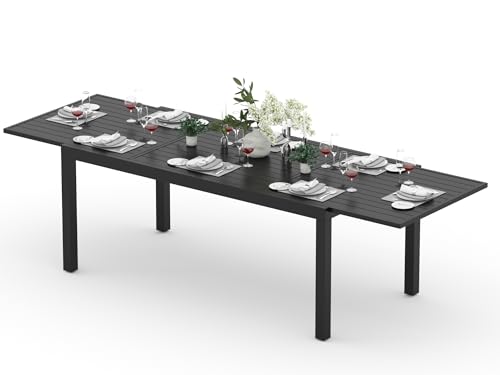
PIZZELLO Patio Dining Table for 10, 71"-106" Aluminum Expandable Tables | All-Weather Extendable Slat Top and Umbrella Hole, Rectangular Metal Dinner Tables for Garden, Backyard
Check price on Amazon
NTC Flexa Extendable Outdoor Dining Table, 63"–94.5" Solid Wood Patio Table for Patio Dining Sets with Umbrella Hole, Seats 6–10, Weather Resistant, Easy Assembly, Natural
Check price on Amazon
bigget Extendable Patio Dining Table for 8, 78.8" Long Rectangular Expandable Outdoor Dining Table for 8, 500LBS Powder-Coated Black Metal Extra Large Outdoor Patio Table for Outside, Garden, Lawn
Check price on Amazon
HAPPATIO Expandable Aluminum Outdoor Dining Table,Wood-Like Aluminum Rectangular Table for 4-8 Person,Large Rectangular Table with Safe Lock for Patio, Deck, Backyard, Porch
Check price on Amazon
Tangkula 55"-71" Acacia Wood Extendable Patio Dining Table for 6-8 People | Large Expandable Outdoor Table, Slatted Tabletop, Rectangular Outdoor Dinner Table for Garden, Lawn, Yard and Poolside
Check price on Amazon
Oasbira Aluminum Expandable Outdoor Patio Dining Table (48"-79") with Smooth Cilde Rails & Secure Locking Handle, All-Weather Rectangular Outdoor Dining Table Seats 4-8, for Garden, Indoor, Gray
Check price on Amazon
MEOOEM Expandable Patio Dining Table for 8, 78.8" Large Long Adjustable Rectangular Outdoor Table for 4-8 Person, 500LBS Sturdy Black Metal Extendable Patio Table for Outside,Garden, Lawn, Backyard
Check price on Amazon