
Poly Wood Bench: The Complete Buying Guide
Everything you need to know about poly lumber benches — from material science and durability to styles, placement, and care. Make a confident, well-informed decision for your patio, garden, or dining space.
Why research a poly wood bench before you buy? A poly wood bench is a long-term outdoor and indoor seating investment. Unlike natural wood, poly lumber is engineered from high-density plastic, often recycled, that resists moisture, rot, insects, and UV damage. This guide breaks down what matters — construction, comfort, styles, and how to match a bench to your space — so you can choose with confidence.
What Is a Poly Wood Bench?
A poly wood bench is a seating piece built from poly lumber — a dense, synthetic material made from high-density polyethylene (HDPE), frequently derived from recycled plastic containers and bags. The material is molded or extruded into plank-like boards that mimic the look of painted or stained wood while eliminating the maintenance headaches of natural timber.
Because poly lumber does not absorb water, it will not rot, warp, crack, or splinter like traditional wood. It also resists termites, mold, and mildew, and modern formulations include UV inhibitors that slow color fading in direct sunlight. This makes poly benches a strong fit for year-round patios, decks, gardens, and even high-humidity indoor spaces such as mudrooms and covered porches.
Compared with natural wood benches — for example a reclaimed wood bench or a plastic picnic bench — poly benches sit in a distinct category: more weather-tolerant than untreated wood, heavier and more substantial than many hollow plastic benches, and designed for years of low-maintenance use.
Key Benefits of Poly Wood Benches
Weather Resistance
Poly lumber shrugs off rain, humidity, salt spray, and temperature swings. It will not rot, warp, or splinter, making it ideal for exposed patios and coastal settings.
Low Maintenance
No sanding, staining, or sealing. A quick wash with mild soap and water restores the surface. This is a major advantage over natural wood benches that need seasonal upkeep.
UV & Fade Resistance
Quality poly benches include UV stabilizers that preserve color and structural integrity under prolonged sun exposure — important for south-facing decks and open gardens.
Insect & Rot Proof
Unlike timber, poly lumber is not a food source for termites, carpenter ants, or wood-boring beetles. It also resists mold and mildew growth.
Eco-Friendly Options
Many poly benches are made from recycled HDPE, diverting plastic waste from landfills. Brands often highlight recycled content as part of their sustainability story.
Comfort & Design Range
From classic slat-back garden benches to modern backless designs, poly benches come in many shapes, colors, and sizes — including contoured seats and armrests for added comfort.
Poly Wood Bench Tiers: Understanding Market Positioning
Poly benches vary widely in build quality, board thickness, hardware, and finish. To compare fairly without referencing specific figures, we use a consistent tier framework across this guide.
| Tier | Typical Characteristics | Best For |
|---|---|---|
| Entry-level | Thinner boards, basic hardware, simpler joinery, fewer color options. Adequate for light use and covered areas. | Occasional seating, budget-conscious buyers, seasonal setups. |
| Mid-range | Thicker poly lumber, stainless or coated hardware, better contoured seating, broader color palette, reinforced joints. | Year-round outdoor use, family patios, everyday comfort. |
| Premium | Heavy-duty board thickness, commercial-grade hardware, precise joinery, UV-stable color-through material, ergonomic curves. | High-traffic decks, coastal homes, long-term investment seating. |
| Luxury / commercial-grade | Flagship construction, exceptional weight and stability, refined finishes, extensive customization, top-tier hardware and fasteners. | Hospitality settings, premium residential landscapes, design-forward spaces. |
In practice, mid-range and premium benches tend to offer the most balanced ownership experience. Entry-level models are fine for light, covered use, while luxury and commercial-grade benches are built for intensive daily seating and demanding climates. Use the tier framework as a relative comparison tool — a mid-range bench from one maker may be closer to a premium bench from another, so always review construction details rather than relying on labels alone.
Popular Poly Wood Bench Styles & Where to Place Them
Garden and park-style benches typically feature slatted backs, curved armrests, and a classic silhouette. They suit flower beds, lawns, and front-yard landscapes, and pair naturally with a picnic table with benches for a coordinated outdoor seating zone.
Backless poly benches are versatile space-savers. They slide under tables, work as foot-of-bed seating, and double as casual perches in entryways. A backless bench is also a practical companion to a patio dining table when you want flexible seating that tucks away neatly.
Glider and rocking poly benches add motion and relaxation. Smooth-gliding mechanisms are common in mid-range and premium tiers, and these benches are popular on porches and decks where a gentle sway enhances the outdoor experience.
Dining-adjacent benches are increasingly used indoors and on covered patios. Poly benches work well beside a rectangle dining table with bench and chairs, offering easy-clean seating for families with children. For outdoor meals, a poly bench can complement a patio dining set outdoor arrangement or a picnic table outdoor setup.
Mudroom and entryway benches benefit from poly's moisture resistance — wet coats, boots, and umbrellas won't damage the surface. The same qualities make poly benches a smart choice near pools and hot tubs, where splashing and humidity are constant.
What to Check Before You Buy
Construction & Material Checklist
- Board thickness: Thicker poly lumber generally means greater rigidity and longevity. Compare board dimensions across models in the same tier.
- Hardware quality: Stainless steel or coated fasteners resist corrosion far better than basic metal hardware, especially in coastal or humid climates.
- Joinery and assembly: Look for reinforced joints, hidden fasteners, and clear assembly instructions. Some premium benches arrive fully assembled.
- UV stabilization: Confirm the material includes UV inhibitors. Color-through poly (color embedded throughout the board) hides scratches better than surface-coated versions.
- Weight and stability: Heavier benches are less likely to shift in wind. Check whether the bench includes leveling feet for uneven surfaces.
- Comfort details: Contoured seats, wide armrests, and appropriate seat height (typically 17–18 inches for standard seating) improve long-term comfort.
- Recycled content: If sustainability matters to you, check whether the manufacturer specifies recycled HDPE content.
- Warranty: Poly furniture often carries multi-year warranties. Review what is covered — structural integrity, fading, and hardware are common categories.
Care & Maintenance for Poly Wood Benches
One of the strongest arguments for poly lumber is its minimal upkeep. Routine cleaning with mild soap, water, and a soft brush removes dirt and pollen. For stubborn marks, a diluted household cleaner or a light scrub with a non-abrasive pad is usually sufficient. Avoid harsh solvents and abrasive pads that can dull the surface finish.
Unlike natural wood, poly benches do not require annual sealing or staining. If you are accustomed to maintaining a real wood dining table or a reclaimed wood dining table, the reduced maintenance schedule will feel like a significant upgrade. For indoor poly benches used in dining areas, standard dusting and occasional wiping keep them looking fresh.
During extreme temperature swings, poly lumber expands and contracts slightly. This is normal and is typically accounted for in quality construction. Ensure assembly fasteners remain snug after the first season of use, and tighten if needed.
Frequently Asked Questions
Is a poly wood bench durable for year-round outdoor use?
Yes. Poly lumber is engineered to resist moisture, rot, insects, and UV fading, making it a strong choice for patios, decks, and gardens in most climates. Premium and commercial-grade benches are especially well suited to exposed, high-traffic outdoor settings.
How much maintenance does a poly wood bench need?
Very little. A simple wash with mild soap and water a few times per season is usually enough. Unlike natural wood, it does not need sanding, staining, or sealing, which makes it a low-effort long-term seating option.
Can a poly wood bench be used indoors?
Absolutely. Poly benches work well in mudrooms, entryways, breakfast nooks, and dining areas where easy cleanup and moisture resistance are useful. They pair nicely with a pedestal kitchen table or a rectangular kitchen table set for casual family seating.
How does poly lumber compare with natural wood for benches?
Poly lumber wins on weather resistance and maintenance — no rot, no sealing, no splinters. Natural wood offers traditional aesthetics and can be refinished over time. If you want the look of wood with minimal upkeep, a poly bench is the practical choice. If authenticity and refinishability matter most, a wood bench may appeal more.
What size poly wood bench should I choose?
Measure your space first. A common approach is to leave at least 18–24 inches of clearance around the bench for comfortable movement. For dining use, bench length should roughly match the table side it sits against, allowing 24 inches of seating width per person.
Ready to Choose Your Poly Wood Bench?
Explore our curated selection of poly lumber benches — from entry-level garden benches to premium gliders — and find the right fit for your patio, deck, or dining space.
Explore OptionsRecommended Poly Wood Benches
⚠️ AFFILIATE DISCLOSURE: This website contains affiliate links. As an affiliate Associate, we earn from qualifying purchases. If you make a purchase through these links, we may receive a small commission at no additional cost to you. Read our full affiliate policy.

Psilvam 2-Person Outdoor Bench With 700 Lbs Weight Capacity, Teak | Poly Lumber Weatherproof Garden Bench Seating for Porch, Balcony and Park, All-Weather Patio Bench Furniture
Check price on Amazon
POLYWOOD GNB48BL Vineyard 48" Bench, Black
Check price on Amazon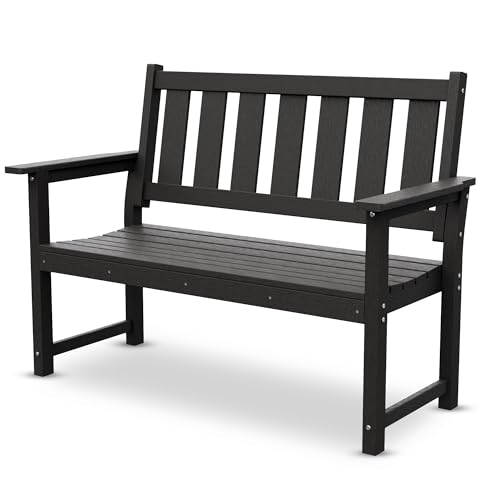
ACUEL 50" HDPE Outdoor Bench, 2-Person Weatherproof Patio Seating, Black | Poly Lumber Garden Bench with 800 lbs Weight Capacity, All-Weather Patio Furniture for Porch, Backyard, Lawn, Park, Balcony
Check price on Amazon
ACUEL 50" HDPE Outdoor Bench Weatherproof Patio Seating, Mocha Brown | 2-Person Poly Lumber Garden Bench with 800 lbs Weight Capacity for Porch, Backyard, Lawn, Park, Balcony and Church Furniture
Check price on Amazon
Psilvam 2-Person Outdoor Bench With 700 Lbs Weight Capacity, Brown | Poly Lumber Weatherproof Garden Bench Seating for Porch, Balcony and Park, All-Weather Patio Bench Furniture
Check price on Amazon
Psilvam 2-Person Outdoor Bench With 700 Lbs Weight Capacity, Grey | Poly Lumber Weatherproof Garden Bench Seating for Porch, Balcony and Park, All-Weather Patio Bench Furniture
Check price on Amazon
Psilvam 47" Backless Outdoor Bench for 2-Person, Brown | All-Weather HDPE Garden Bench, 700 Lbs Weight Capacity, Poly Lumber Patio Furniture Bench for Porch, Park and Garden
Check price on Amazon