
Rattan Counter Height Stools: The Complete Buying Guide
Everything you need to know about choosing natural woven counter stools for your kitchen island, breakfast bar, or open-plan dining space.
EXPLORE THE GUIDERattan counter height stools bring a rare combination of warmth, texture, and everyday practicality to the kitchen. If you are researching this category before a purchase, you are in the right place. This guide walks through the details that matter most: seat height and clearance, frame construction, weave quality, comfort features, style compatibility, and long-term care.
Counter height seating sits at a specific niche in the market. It is taller than a standard dining chair but shorter than a full bar stool, which makes it ideal for kitchen islands and breakfast bars. Rattan adds a natural, organic quality that pairs well with many interior styles, from coastal and bohemian to modern farmhouse and contemporary minimalism. Below, we break down each decision point so you can choose with confidence.
Why Choose Rattan for Counter Height Stools?
Rattan is a climbing palm harvested from tropical forests, and its flexibility and strength have made it a furniture staple for generations. For counter stools, rattan offers several practical advantages:
- Natural warmth and texture: The woven surface adds visual softness that breaks up hard surfaces like stone, tile, and stainless steel.
- Lightweight structure: Rattan frames are generally lighter than solid wood or metal, which makes them easier to move when cleaning or rearranging.
- Breathable seating: The open weave allows air to circulate, which keeps the seat cooler in warm climates.
- Style versatility: Natural, honey, whitewashed, and dark-stained rattan finishes each pull a room in a different direction, making the material adaptable across design aesthetics.
- Sustainability angle: Rattan grows quickly and is typically harvested by hand, making it a renewable material when sourced responsibly.
That said, rattan is not a fit for every environment. It performs best indoors or in covered outdoor areas. Prolonged moisture and direct sun can degrade the weave over time, so placement matters. If you need seating for an exposed patio, a weather-resistant synthetic weave is the safer route.
Counter Height Stool Dimensions: Seat Height and Clearance
The single most important measurement is seat height. Counter height stools are designed to pair with standard kitchen counters, which sit around 36 inches from the floor. A seat height of 24 to 27 inches leaves the recommended 9 to 12 inches of clearance between the seat and the counter, giving you comfortable legroom and a natural sitting posture.
Here is a quick reference for the three common seating heights:
| Stool Type | Typical Seat Height | Pairs With | Best For |
|---|---|---|---|
| Standard Chair | 17–19 inches | 30-inch dining tables | Full dining room seating |
| Counter Height Stool | 24–27 inches | 36-inch countertops and islands | Kitchen islands and breakfast bars |
| Bar Height Stool | 28–32 inches | 40–42-inch bar counters | Home bars and pub tables |
Measure twice before ordering. Use a tape measure from the floor to the underside of your counter, not to the top surface. If your counter has an overhang, also account for the depth of the overhang so the stool tucks in comfortably without hitting the base. For a broader look at seating options that pair with different table heights, browse our bar and counter stool category overview.
Frame Construction and Weave Quality
The visible weave gets the attention, but the frame underneath determines how long the stool will last. Rattan stools are typically built on one of three frame types:
Solid Hardwood Frames
Hardwood frames, often made from mahogany, teak, or acacia, provide the most stable base for woven seating. They hold screws and joinery well and can support substantial weight. Mid-range and premium tier stools commonly use hardwood frames with reinforced corner blocks.
Metal Frames
Powder-coated steel or aluminum frames paired with rattan wraps combine industrial strength with organic texture. These are a strong option for high-traffic households and for stools that need to support heavier users. Look for rust-proof finishes if the stool will sit near a sink or in a humid area.
Bamboo and Composite Frames
Bamboo frames are lighter and more eco-friendly but generally less rigid than hardwood. They can work well for entry-level stools in low-traffic spaces, but check the weight rating carefully.
Weave quality matters just as much. Tight, even binding with no loose strands indicates careful construction. Handwoven rattan with reinforced bindings at stress points (seat corners, leg joints, and stretchers) is a strong signal of durability. Entry-level stools sometimes use thinner peel or paper-fiber imitation rattan, which may look similar at first but tends to wear faster. If longevity is a priority, choose stools that specify natural rattan peel or core rattan.
Comfort Features to Look For
A stool can be beautiful and still be uncomfortable after twenty minutes. Since counter stools often double as casual dining seating, comfort deserves real attention. Key features include:
Contoured Seat
A gently dished or saddle-shaped seat distributes weight better than a flat woven surface. This is especially important if you use the stools for full meals.
Cushion Options
Removable seat cushions add softness and can be replaced when they wear out. Look for ties or non-slip backing so the cushion stays put. Our guide to rattan chair cushions covers sizing and material choices.
Backrest Support
Backless stools slide under the counter neatly but offer no lumbar support. Low-back or full-back rattan stools provide more comfort for longer sitting sessions.
Footrest Height
A footrest positioned a few inches below the seat keeps legs from dangling. Confirm the footrest is integrated into the frame rather than tacked on.
Swivel vs. Fixed
Swivel seats make it easier to get in and out of tight island spaces. Fixed seats are simpler and typically more stable over time.
Weight Capacity
Check the manufacturer's stated weight rating. Mid-range and premium tier stools usually publish this figure clearly; entry-level models sometimes do not.
Matching Rattan Counter Stools to Your Kitchen Style
Rattan is unusually adaptable, but the finish and silhouette determine which interiors it suits best. Consider these pairings:
Coastal and Beach Style
Natural or whitewashed rattan with light wood frames, paired with linen cushions and pale countertops. Keep the palette soft and airy.
Modern Farmhouse
Honey-toned or slightly darker rattan with a curved back and a simple frame. These work well against shiplap, open shelving, and matte black hardware.
Bohemian and Eclectic
Mix rattan stools with patterned textiles, layered rugs, and plants. Darker stained rattan or stools with decorative weave patterns add depth.
Contemporary and Minimalist
Choose streamlined, backless rattan stools with clean lines and neutral finishes. The texture does the talking without adding visual clutter.
If you want to extend the look beyond the island, our guides to rattan dining chairs and rattan sideboards show how the material can tie a whole room together.
Quality Tiers: What to Expect at Each Level
Rather than focusing on numbers, it helps to understand how rattan counter stools are positioned across the market. The table below groups the category into four tiers based on construction, weave quality, and finish.
| Tier | Frame | Weave | Best For |
|---|---|---|---|
| Entry-Level | Light bamboo or composite frame; basic joinery | Thinner peel or synthetic imitation; looser binding | Occasional use, low-traffic spaces, staging |
| Mid-Range | Solid hardwood or powder-coated metal; reinforced joints | Natural rattan peel with tighter, more consistent binding | Daily family use, kitchen islands, breakfast bars |
| Premium | Kiln-dried hardwood; corner blocks and doweled joints | Handwoven core rattan; even tension; protective finish | High-traffic homes, long sitting sessions, design-led spaces |
| Luxury | Hardwood with artisan detailing; commercial-grade construction | Master-weaver quality; bespoke finishes and patterns | Statement interiors, hospitality-grade durability |
As a rule of thumb, mid-range stools offer the most balanced combination of durability and design flexibility for typical households. Premium and luxury tiers make sense when the stools will see constant use or when the room's design language demands a higher level of craft. Entry-level options can work well for seasonal setups or guest spaces where the seating is not used every day.
Care and Maintenance for Rattan Counter Stools
Rattan is durable, but it responds to its environment. A few habits will keep the weave tight and the finish intact for years:
- Dust regularly: Use a soft brush or a vacuum with a brush attachment to clear dust from the weave.
- Wipe spills promptly: Use a slightly damp cloth, then dry immediately. Do not soak the rattan.
- Avoid direct sun: Prolonged UV exposure can dry and fade the material. Use curtains or blinds during peak afternoon sun.
- Control humidity: Rattan prefers moderate indoor humidity. In very dry climates, a light application of natural oil can help prevent cracking.
- Keep away from heat sources: Radiators, fireplaces, and hot appliances can dry out the weave.
- Check hardware: Tighten screws and bolts periodically, especially on swivel models.
If the stools live near a sink or in a humid kitchen, consider a protective sealant recommended by the manufacturer. For a deeper dive into material care, see our dining care and maintenance section.
Final Buying Checklist
Before you commit, run through this list. It covers the details that are easy to overlook but hard to fix after delivery:
- Measure the counter height and confirm a 24–27 inch seat height.
- Check the clearance between seat and counter (aim for 9–12 inches).
- Confirm the frame material and weight capacity.
- Inspect the weave for tightness and reinforced bindings.
- Decide between backless, low-back, and full-back designs.
- Confirm whether a cushion is included or sold separately.
- Verify the footrest position and stability.
- Match the finish to your kitchen palette and hardware.
- Read care instructions and check the warranty terms.
- Order a single stool first if you are unsure about scale.
If you are still comparing seating categories, our overview of padded bar stools offers a useful contrast for comfort-focused buyers, and our rattan benches guide covers another way to add woven seating to a dining space.
Frequently Asked Questions
What is the ideal seat height for a rattan counter height stool?
A counter height stool typically has a seat height between 24 and 27 inches, which pairs with standard kitchen counters around 36 inches tall. Always measure from the floor to the underside of your counter and leave about 9 to 12 inches of clearance between the seat and the counter for comfortable legroom.
Are rattan counter height stools durable enough for daily use?
Quality rattan stools built on a solid hardwood or metal frame can handle daily use. Look for tightly woven, reinforced bindings and a protective finish. Keep them away from prolonged moisture and direct sun to preserve the weave. Mid-range and premium tier options usually offer better frame construction and tighter weaving than entry-level models.
How do I clean and maintain rattan counter stools?
Dust regularly with a soft brush or vacuum attachment. Wipe spills quickly with a slightly damp cloth and dry immediately. Avoid soaking the weave. For deeper cleaning, use a mild soap solution sparingly, then air-dry away from direct heat. Reapply a natural oil or sealant periodically if the manufacturer recommends it.
Can rattan counter height stools work in modern or minimalist kitchens?
Yes. Natural rattan adds warmth and texture that balances sleek cabinetry and stone surfaces. Choose streamlined silhouettes with clean lines and neutral finishes for a modern look, or pair darker stained rattan with industrial elements. Rattan is versatile and works across coastal, farmhouse, bohemian, and contemporary styles.
Recommended Rattan Counter Height Stools
⚠️ AFFILIATE DISCLOSURE: This website contains affiliate links. As an affiliate Associate, we earn from qualifying purchases. If you make a purchase through these links, we may receive a small commission at no additional cost to you. Read our full affiliate policy.

DUHOME Rattan Bar Stools Set of 4, 24'' Bohemian Counter Height Stools | Rattan Stools with Woven Seagrass Seat and Back, Solid Wood Legs and Footrest for Kitchen Island Dining Room Home Bar
Check price on Amazon
Upholstered Rattan Bar Stools Set of 4, Wooden Island Chairs, Cream White | STHOUYN, Counter Height, Solid Wood Frame, Rattan Woven Back, Chenille Fabric Seat, Mid-Century Modern, Kitchen
Check price on Amazon
Nathan James Beacon Bohemian Boucle Bar Stool, Upholstered Counter Height Chair with Solid Wood Frame and Woven Seagrass Back for Kitchen Island, Light Brown/Seagrass/Cream Boucle
Check price on Amazon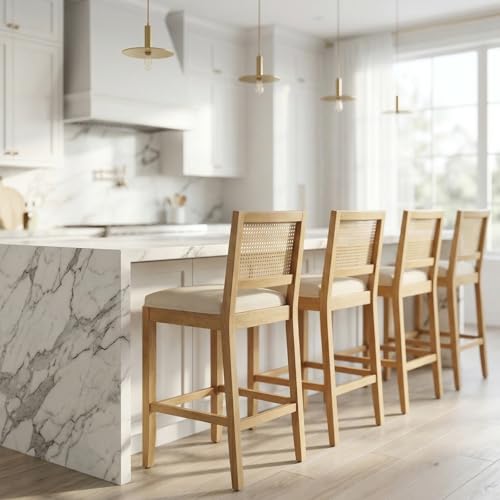
French Country Bar Stools Set of 4, Beige Rattan Counter Height Stools, Linen Upholstered, Farmhouse Wooden Barstools with Cane Back, Kitchen Island Chairs, Sillas para Barra de Cocina (Beige, 4 Pcs)
Check price on Amazon
Natural Rattan Bar Stools Set of 3, 24" Cesca Design Counter Stools | Solid Wood Back and Cane Mesh, Metal Chrome Legs, Mid Century Modern, Upholstered Frabic Barstools for Kitchen, Brown
Check price on Amazon
HNY Rattan Counter Bar Stools Set of 4, Farmhouse Bar Stools with Back and Wood Legs, Upholstered Mid Century Modern Fabric Barstools Breakfast Island Chairs for Kitchen Island - White/ 26"
Check price on Amazon
EALSON Mid Century Rattan Bar Stools Set of 4 Modern Farmhouse Barstools with Leather Woven Backs 26 Inch Wooden Counter Stool Breakfast Upholstered Bar Chairs for Kitchen Island, Brown
Check price on AmazonMaking the Final Decision
Rattan counter height stools are a category where the details separate a satisfying long-term purchase from a short-lived one. Focus on the fundamentals: correct seat height, a solid frame, tight weave, and comfort features that match how you actually use the space. From there, the finish and silhouette become a matter of style preference rather than structural risk.
If this guide has narrowed your shortlist, the product recommendations above are a practical next step. Each listing can be explored in more detail, and you can compare features against the checklist in this article. For related reading, the rattan table guide and our dining room styles section offer further inspiration for tying the whole room together.