


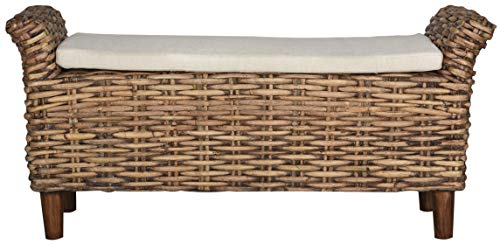


What Is a Rattan Bench and Why Choose One?
A rattan bench is a seating piece built with a frame — often wood, metal, or synthetic material — wrapped or woven with rattan, the flexible climbing palm native to Southeast Asia. The result is a light, airy, and textural piece that works beautifully in dining rooms, kitchens, breakfast nooks, and even entryways. Unlike upholstered benches that can feel heavy, rattan benches bring a sense of breathability and organic elegance to a space.
Homeowners increasingly choose rattan benches for practical reasons. A bench seats more people in less linear space than individual chairs, making it ideal for long rectangular tables and rectangle dining tables. Benches also tuck neatly beneath the table when not in use, which helps smaller dining areas feel less cluttered. And because rattan has a natural, warm aesthetic, it bridges casual and formal styles with ease — whether your room leans modern, farmhouse, coastal, or boho.
If you are still comparing seating options, it helps to understand how benches differ from traditional dining chairs. Our guide to padded dining chairs covers comfort-focused alternatives, while rattan dining chairs explains how matching chair-and-bench sets can unify a room. Many dining rooms pair a bench on one side with chairs on the other for a balanced, flexible arrangement.
Natural Rattan vs. Synthetic Rattan: Which Should You Choose?
The single most important decision when buying a rattan bench is the material type. Both natural and synthetic rattan offer distinct advantages, and the right choice depends on where the bench will live and how much maintenance you are comfortable with.
Natural Rattan
Natural rattan is a plant-based material harvested from rattan vines. It has a warm, organic appearance and develops a subtle patina over time. It is lightweight yet strong, and it accepts stains and finishes well. Natural rattan is best suited to indoor environments or covered outdoor spaces that are protected from direct rain and prolonged sunlight. It is an entry-level to premium material depending on the weaving quality and frame construction. Higher-tier natural rattan benches use tighter weaves, thicker cane, and reinforced joints for longevity.
Synthetic Rattan (All-Weather Wicker)
Synthetic rattan is made from materials such as polyethylene or PVC woven to mimic the look of natural rattan. It is engineered for weather resistance, UV stability, and easy cleaning. Synthetic rattan benches are the better choice for covered patios, sunrooms, and homes in humid climates. Within the category, synthetic rattan ranges from essential tier to premium depending on weave density, UV additives, and frame quality. High-end synthetic rattan can look remarkably close to natural cane while offering superior durability.
Natural Rattan — Pros & Considerations
- Warm, authentic organic look
- Lightweight and easy to move
- Accepts stains and custom finishes
- Best for indoor or covered use
- Requires occasional oiling and humidity awareness
Synthetic Rattan — Pros & Considerations
- Excellent weather and UV resistance
- Easy to wipe clean
- Consistent color and weave
- Suitable for outdoor and humid spaces
- Can feel less tactile than natural cane
Rattan Bench Styles for Every Dining Space
Rattan benches come in several style families. Understanding these will help you match a bench to your existing dining table and room layout.
Backless Rattan Benches
Backless benches are the most versatile and space-efficient option. They slide completely under the table, which makes them ideal for small dining rooms and open-concept kitchens. A backless rattan bench works especially well alongside a pedestal dining table or a rectangular wooden dining table, where clean lines are the priority. Because there is no back, backless benches are also easy to move and can double as a low console or entryway seat.
Benches with Backs and Armrests
For longer meals and more comfortable lingering, a rattan bench with a supportive back and optional arms is a better fit. These benches resemble a settee and work well in formal dining rooms or as part of a rectangle dining table set. A backed rattan bench often pairs naturally with parson dining chairs on the opposite side for a balanced, layered look.
Corner and L-Shaped Rattan Benches
Corner benches maximize seating in breakfast nooks and compact dining corners. An L-shaped rattan bench can transform an underused corner into a cozy dining destination. These work beautifully with round or oval wooden dining tables, where the curved bench follows the table's silhouette.
Storage Rattan Benches
Some rattan benches include a lift-up seat or a lower shelf for storing linens, board games, or table accessories. A storage bench is a smart choice for dining rooms that double as multi-purpose spaces, especially in apartments and open-plan homes.
How to Choose the Right Size Rattan Bench
Getting the size right is critical for both comfort and aesthetics. A bench that is too long will crowd the table and block walkways; a bench that is too short leaves awkward gaps and reduces seating capacity.
- Length: Choose a bench slightly shorter than your table length so it can tuck underneath. As a rule, allow about 24 inches (60 cm) of bench length per person.
- Seat height: The bench seat should be within 2 inches (5 cm) of your dining chair seat height — typically 17–19 inches (43–48 cm) for standard dining tables.
- Depth: A seat depth of 15–18 inches (38–46 cm) is comfortable for dining. Deeper benches suit lounging but may not tuck under the table.
- Clearance: Leave at least 30 inches (76 cm) of clearance between the bench edge and nearby walls or counters for easy movement.
If you are furnishing a compact dining area, our guide to rectangle small dining tables pairs well with a backless rattan bench. For larger gatherings, a rectangle dining table for 8 can be paired with a long rattan bench on one side and chairs on the other to seat a crowd comfortably.
Comparing Rattan Bench Tiers at a Glance
Rattan benches vary widely in construction quality, weave density, and frame strength. The table below uses universal tier descriptors to help you understand what to expect at each level — without reference to any specific currency or figure.
| Tier | Best For | Typical Characteristics |
|---|---|---|
| Entry-level | Occasional use, first apartments, staging | Lighter frames, looser weaves, basic finishes; solid choice for the tier when used indoors |
| Mid-range | Everyday family dining, covered patios | Tighter weaving, reinforced joints, better frame materials; good value for its tier |
| Premium | Daily use, design-forward dining rooms | Dense hand-finished weave, solid hardwood or high-grade metal frames, refined details |
| Luxury | Formal dining, statement interiors | Artisan weaving, premium materials, custom finishes; a long-term investment piece |
Mid-range models typically offer smoother joinery and more consistent weave patterns than entry-level pieces, while premium and luxury tiers focus on longevity and craftsmanship. For most households, the mid-range to premium range delivers the best balance of durability and design.
Styling a Rattan Bench in Your Dining Room
A rattan bench is a natural focal point, and styling it well elevates the entire room. Here are proven approaches that work across design styles.
Layer with Cushions and Textiles
Add a thin seat cushion or a pair of throw pillows in neutral or earthy tones to soften the bench and boost comfort. Natural linen, cotton, and wool blends complement rattan's texture. If you prefer a cushioned seat, explore rattan chair cushions for matching options that fit standard bench dimensions. A table runner in a complementary tone ties the bench and table together visually.
Pair with the Right Table
Rattan benches look especially at home beside wood tables. A real wood dining table or a reclaimed wood dining table provides a warm, grounding contrast to the light weave. For a more modern look, pair a rattan bench with a rectangle glass top table — the transparency keeps the room feeling open while the rattan adds texture.
Coordinate with Chairs and Storage
If you use a bench on one side of the table, choose chairs on the other that share a material or color thread. Rattan dining chairs create a cohesive set, while padded dining room chairs add contrast and comfort. Complete the room with a rattan sideboard for storage that echoes the bench's weave. A rattan table can also anchor a smaller breakfast area.
Lighting and Ambiance
Rattan's open weave interacts beautifully with light. Hang a pendant light for kitchen island and dining table above the bench to cast warm, patterned shadows. For a more formal room, a rectangular chandelier for dining room balances the linear shape of a long bench.
Rattan Bench Care and Maintenance
With proper care, a quality rattan bench can last for many years. The routine differs slightly between natural and synthetic rattan.
- Dust regularly: Use a soft brush, microfiber cloth, or vacuum brush attachment to remove dust from the weave.
- Clean gently: Wipe with a damp cloth and mild soap. Avoid soaking natural rattan, and dry thoroughly after cleaning.
- Control humidity: Natural rattan can dry out and crack in very dry environments. A light application of furniture oil once or twice a year helps maintain flexibility.
- Avoid direct heat and sun: Keep natural rattan away from radiators, fireplaces, and prolonged direct sunlight.
- Protect outdoor synthetic rattan: Rinse with water and mild soap, and store or cover during extreme weather to extend its lifespan.
For broader furniture upkeep guidance, see our refinishing wood table guide if your bench has a wooden frame that needs refreshing. If you are maintaining a full dining set, our refinishing tables resource covers surface restoration techniques.
Rattan Benches in Different Room Contexts
Dining Room
The dining room is the most natural home for a rattan bench. A long backless bench along one side of a rectangle dining table for 6 maximizes seating and keeps sightlines open. For a more formal arrangement, pair a backed rattan bench with a rectangle dining room set.
Kitchen and Breakfast Nook
In kitchens, rattan benches work well in breakfast nooks and along kitchen islands. A bench paired with a pedestal kitchen table creates a cozy morning spot. If you have a portable kitchen island with storage and seating, a rattan bench can supplement the built-in seating for larger gatherings.
Entryway and Mudroom
A rattan bench with a lower shelf is a practical entryway addition — a place to sit while putting on shoes, with storage below for baskets and bags. Its natural texture welcomes guests and softens hard entryway floors.
Covered Patio and Sunroom
For covered outdoor spaces, choose synthetic rattan. A rattan bench pairs naturally with a patio dining set outdoor or a patio dining table, and it can extend seating for a patio dining table 8 person arrangement. If you are mixing indoor and outdoor pieces, keep the bench under cover to protect natural rattan.
Rattan Bench vs. Other Bench Materials
Rattan is not the only bench material, and comparing alternatives helps clarify when rattan is the right choice.
- Rattan vs. wood benches: Wood benches such as reclaimed wood benches are heavier and more rustic. Rattan is lighter and more textured, with a breezier feel.
- Rattan vs. upholstered benches: Upholstered benches offer more cushioning but can feel bulky. Rattan is easier to move and visually lighter.
- Rattan vs. metal benches: Metal benches are extremely durable and often industrial in style. Rattan brings warmth and organic character that metal cannot match.
- Rattan vs. plastic benches: Plastic and picnic bench plastic options are practical for outdoor utility use. Rattan is the choice when design and comfort matter.
For outdoor utility seating, a poly wood bench or picnic benches may be more appropriate. But for dining rooms and kitchens where aesthetics matter, rattan is hard to beat.
Frequently Asked Questions About Rattan Benches
Are rattan benches durable for everyday dining use?
Yes. High-quality rattan benches are durable for daily use. Natural rattan is a resilient material that resists wear when maintained, while synthetic rattan offers even greater durability. A solid frame and tight weaving are the key indicators of a long-lasting bench.
How do I measure for a rattan dining bench?
Measure your table length and choose a bench slightly shorter so it tucks underneath. Allow about 24 inches of seating space per person. Ensure the bench seat height is within 2 inches of your dining chair seat height for comfortable dining.
Can rattan benches be used outdoors?
Natural rattan is best for indoor or covered outdoor use because prolonged moisture and direct sun can damage it. Synthetic rattan is designed for outdoor use and withstands rain, sun, and temperature changes well.
How do I clean and maintain a rattan bench?
Dust regularly with a soft brush or vacuum brush attachment. Wipe with a damp cloth and mild soap, then dry thoroughly. Avoid soaking natural rattan, and apply a light furniture oil occasionally to prevent drying. Keep it away from direct heat.
What is the difference between natural and synthetic rattan?
Natural rattan is plant-based with a warm organic look and needs occasional maintenance. Synthetic rattan is made from weather-resistant materials like polyethylene, offering UV protection and easy cleaning — ideal for outdoor and humid spaces.
Ready to Bring a Rattan Bench Home?
Browse our curated selection of rattan benches for dining rooms, kitchens, and beyond. Each pick is chosen for construction quality, design versatility, and long-term value within its tier.
View Recommended Rattan Benches