
Solid Oak Dining Table: The Ultimate Buying Guide
Discover why solid oak is the gold standard for dining tables. From wood grades to finishes, we cover everything you need to choose the perfect oak table for your home.
A solid oak dining table is more than just a piece of furniture—it's a legacy piece that can last for generations. Oak's natural strength, beautiful grain patterns, and warm tones make it one of the most sought-after materials for dining tables. Whether you're furnishing a formal dining room or a casual eat-in kitchen, a solid oak table offers unmatched durability and timeless appeal.
In this comprehensive guide, we'll walk you through everything you need to know about solid oak dining tables, including wood grades, construction types, finish options, and essential care tips. By the end, you'll feel confident in choosing the perfect oak table that fits your style, space, and budget.
Why Choose a Solid Oak Dining Table?
Oak has been a favorite among furniture makers for centuries. Its dense, hardwood nature makes it highly resistant to scratches and dents, while its pronounced grain adds character and warmth to any room. Unlike veneer or engineered wood, a solid oak dining table can be refinished multiple times, allowing you to update its look as trends change.
When you invest in a solid oak table, you're choosing:
- Durability: Oak is incredibly strong, making it perfect for daily family meals.
- Timeless Beauty: The natural grain patterns and rich hues complement any décor style.
- Long-Term Value: A well-maintained oak table often becomes a family heirloom.
- Sustainability: Oak is a renewable resource, and many manufacturers source from sustainable forests.
If you're considering other wood types, you might also explore our guide on light oak dining tables or white oak dining tables to compare subtle differences in tone and grain.
Understanding Oak Wood Grades
Not all oak is created equal. The grade of the wood affects both the appearance and the price of your table. Here are the most common grades you'll encounter:
- FAS (First and Second): The highest grade, with minimal knots and defects. Ideal for a flawless, formal look.
- Select: Slightly more character with smaller knots and color variations. Great for a natural, rustic feel.
- #1 Common: More pronounced knots and grain variations, perfect for a farmhouse or country style.
- Rustic or Character Grade: Embraces all the natural features, including large knots and mineral streaks, for a one-of-a-kind piece.
Choosing the right grade depends on your personal style. If you prefer a clean, uniform look, FAS is the way to go. For a more organic, lived-in aesthetic, a rustic grade can be stunning.
For more inspiration on different styles, see our articles on rustic dining table sets and modern dining table sets.
Red Oak vs. White Oak: What's the Difference?
Two main species of oak are used in furniture making: red oak and white oak. While both are excellent choices, they have distinct characteristics:
- Red Oak: Has a slightly pinkish or reddish hue with a more pronounced, open grain. It's slightly more porous and less moisture-resistant than white oak, making it a great choice for indoor dining rooms.
- White Oak: Features a warmer, golden-brown tone with a tighter grain pattern. It's more resistant to moisture, making it suitable for kitchens and even outdoor use (when properly sealed). White oak is often considered more premium.
Both types offer exceptional durability. If you're looking for a table that can handle daily use with elegance, either choice is superb. For a lighter, more contemporary feel, you might prefer a light oak dining table, which often uses white oak or a lighter finish.
Construction Quality: What to Look For
The construction of your solid oak dining table is just as important as the wood itself. High-quality joinery ensures longevity and stability. Here are key aspects to examine:
- Mortise and Tenon Joints: This traditional woodworking technique is the gold standard for strong, lasting joints.
- Dovetail Joints: Often used in drawers and extensions, indicating high-quality craftsmanship.
- Wood Movement: Solid wood expands and contracts with humidity. Look for tables that allow for this natural movement (e.g., with proper fasteners and slotted holes).
- Tabletop Construction: A well-constructed top uses multiple boards glued together with alternating grain directions to minimize warping.
Avoid tables that rely heavily on staples, glue alone, or particleboard. A truly solid oak dining table will be heavy, sturdy, and built to last.
Finishes and Style Options
The finish you choose dramatically affects the look and feel of your oak table. Popular options include:
- Natural/Matte: Showcases the wood's true color and grain; low sheen for a modern, Scandinavian vibe.
- Oiled: Enhances the natural beauty with a warm, satin glow; easy to touch up but requires occasional reapplication.
- Lacquered/Polyurethane: Provides a tough, durable, and water-resistant surface; available in gloss, satin, or matte.
- Stained: Offers a wide range of colors, from dark espresso to gray tones; can dramatically change the table's character.
- Distressed: Intentionally aged with marks, dents, and wire-brushing for a rustic, reclaimed look.
Your choice should complement your existing décor. For a classic, elegant look, a natural oiled finish is hard to beat. For a modern dining room, a sleek matte lacquer might be perfect.
Choosing the Right Size and Seating
Before purchasing, measure your space carefully. Allow at least 36–48 inches of clearance around the table for chairs and traffic flow. Consider the number of people you typically seat and whether you need an extension leaf for larger gatherings.
A 60-inch rectangular table comfortably seats 6, while a 72-inch table seats 8. For larger spaces, you might explore a 10-person dining table or even a 12-person dining table if you frequently host big dinners.
If you prefer a more intimate setting, a round oak dining table can be a wonderful choice, encouraging conversation and making the most of tight spaces. You can also consider a oval dining table for a softer, more flowing silhouette.
Price Guide for Solid Oak Dining Tables
The price of a solid oak dining table varies widely based on size, grade, construction, and finish. As a general rule, expect to invest in quality. Here's a realistic look at current market prices:
$800–$2,500 — Entry-level to mid-range tables (often with simpler construction or smaller sizes).
$2,500+ — High-end tables (large, premium grade, complex joinery, or designer finishes).
$4,000+ — Custom-made or heirloom-quality pieces with exceptional craftsmanship and unique features.
For a more budget-friendly option, you might explore a cheap dining room table but be cautious—true solid oak is an investment. The long-term value and durability of a solid oak table often justify the higher upfront cost.
Caring for Your Solid Oak Dining Table
With proper care, your oak table will stay beautiful for decades. Here are essential tips:
- Use Coasters and Trivets: Protect the surface from heat and moisture damage.
- Clean Spills Immediately: Oak is porous, so liquids can stain or warp the wood if left too long.
- Dust Regularly: Use a soft, dry cloth to prevent scratches.
- Polish Occasionally: Use a high-quality furniture polish or beeswax to maintain the luster.
- Avoid Direct Sunlight: Prolonged exposure can fade the finish and cause the wood to dry out.
For deeper care advice, check our care and maintenance section, where you'll find detailed guides on refinishing and repair.
Final Buying Considerations
Before you make a final decision, ask yourself these questions:
- What's my primary use? Is this for daily family meals or special occasions?
- What's my style? Do I prefer a formal, rustic, or modern aesthetic?
- What size do I need? Will it fit comfortably in my room?
- What's my budget? Remember, a solid oak table is a long-term investment.
Once you've considered these points, you're ready to explore the best options. For more inspiration, browse our curated selection of solid oak dining tables or explore related styles like mango wood dining tables for a lighter, more affordable alternative.
A solid oak dining table is a classic choice that never goes out of style. With the information in this guide, you're now equipped to make a confident, informed purchase that you'll enjoy for many years to come.
Top-Rated Solid Oak Dining Tables
⚠️ AFFILIATE DISCLOSURE: This website contains affiliate links. As an affiliate Associate, we earn from qualifying purchases. If you make a purchase through these links, we may receive a small commission at no additional cost to you. Read our full affiliate policy.

TRIBEWOOD 63-Inch Solid Wood Rectangular Dining Table for 4-6 People
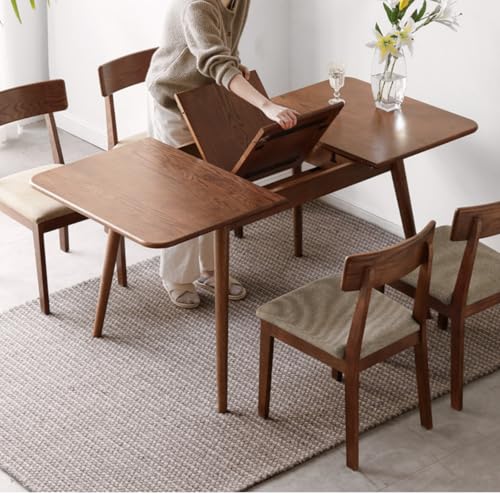
Wayshome 47’’-63’’ 100% Oak Extendable Dining Table, Solid Wood Folding Kitchen Table, Mid Century Modern Dinner Table for Kitchen, Apartment, Living Room (47''-63'' Walnut)

Plank+Beam Classic 72 Inch Dining Table, Rectangular, Pecan Wirebrush

Muwuele 47"-63" Solid Wood Extendable Dining Tables for 4-8, Natural

Winsome Groveland Wooden Square Dining Table, Light Oak, 29"
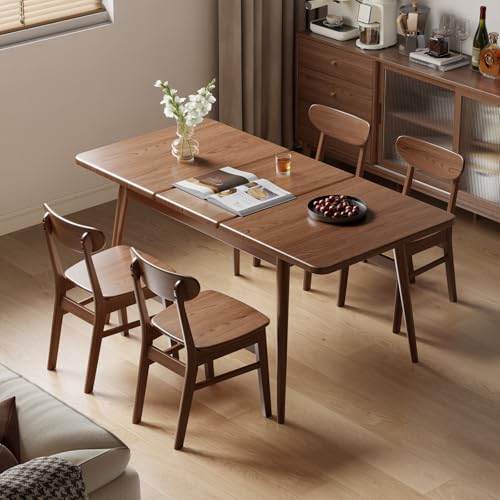
Muwuele 47"-63" Solid Wood Extendable Dining Tables for 4-8, Walnut

GarveeHome Farmhouse Dining Table for 6-8 People, 71" Long Kitchen Tables

Livinia Aslan 47" Malaysian Oak Rectangular Wooden Dining Table/Solid Wood Kitchen Desk (Natural Oak)
If you're still exploring, you might also appreciate our guides on dining room paint colors to complement your new oak table, or learn about dining room wall mirrors to enhance the space.