
White Wicker Chair: A Complete Buying & Styling Guide
Everything you need to know before choosing a white wicker chair — materials, weave quality, comfort, indoor versus outdoor use, and how to style it in your dining space.
Research-stage guide · No hype · Practical buying adviceWhy this guide exists: A white wicker chair looks effortless in photos, but the buying decision is not always simple. Natural rattan and synthetic resin behave very differently, seat cushions change the entire comfort equation, and a chair that works on a covered porch may not survive an open patio. This guide walks you through the details that matter so you can choose with confidence.
By the end, you will understand the main material types, the quality tiers available in the market, and which configuration fits your dining room, sunroom, or outdoor space.
What Makes a White Wicker Chair Different
Wicker is not a material — it is a weaving technique. Thin strands of rattan, willow, reed, paper, or synthetic resin are woven over a frame to create a lightweight, breathable, visually textured chair. A white finish adds a fresh, airy quality that suits coastal, farmhouse, cottage, and modern-boho interiors alike.
That open weave is the defining trait. It allows air to circulate, which keeps the chair comfortable in warm climates, and it gives the chair a visual lightness that solid wood or upholstered seating cannot match. The trade-off is that weave quality varies dramatically between tiers, and that difference directly affects longevity and comfort.
If you are building a coordinated look, a white wicker chair pairs naturally with a white and wood dining table or a white round table for a bright, cohesive dining setup.
Natural Wicker vs. Resin Wicker
The first decision is material. Both categories can produce a beautiful white wicker chair, but they serve different environments.
Natural Wicker (Rattan, Willow, Reed)
Natural wicker is woven from plant fibers. It has an organic warmth and a slightly irregular texture that many people find more appealing than synthetic alternatives. Rattan is the most common natural material because it is flexible, strong, and takes paint well.
- Best for: Covered porches, sunrooms, bedrooms, and indoor dining or accent seating.
- Strengths: Authentic texture, lighter weight, natural breathability.
- Watch-outs: Sensitive to prolonged moisture and direct sun. Needs periodic care and should be kept dry.
Resin Wicker (Synthetic)
Resin wicker is extruded from synthetic materials and woven over a metal or resin frame. It is engineered to resist moisture, UV fading, and temperature swings, which makes it the practical choice for outdoor use.
- Best for: Open patios, poolside seating, balconies, and high-humidity climates.
- Strengths: Weather-resistant coating, easier cleaning, consistent color retention.
- Watch-outs: Texture can feel more uniform; lower tiers may have visible mold seams or uneven weave tension.
Quality Tiers: What to Expect at Each Level
White wicker chairs are available across a wide spectrum of construction quality. The table below uses universal tier descriptors rather than numeric figures so the guidance stays useful over time.
| Tier | Typical Construction | Best For |
|---|---|---|
| Entry-level | Thinner strands, lighter frame, basic weave tension, minimal cushioning. | Occasional accent seating, light-use sunrooms, decorative corners. |
| Mid-range | Denser weave, reinforced frame joints, better paint or coating, removable seat cushion. | Everyday dining chairs, covered patios, family living spaces. |
| Premium | Consistent hand-finished weave, solid hardwood or heavy-duty metal frame, high-grade weather-resistant coating, quality foam cushion. | Primary dining seating, open outdoor areas, long-term use. |
| Luxury / commercial-grade | Premium natural rattan or high-spec resin, reinforced structural core, superior finish durability, tailored cushion options. | Design-led interiors, hospitality settings, statement dining rooms. |
A mid-range model usually offers the best balance of weave density and frame strength for daily dining use. Entry-level chairs are fine as accents, but they tend to soften at the joints faster under regular weight. Premium and luxury tiers justify themselves through tighter weave consistency, better coatings, and cushions that hold their shape over years.
How to Evaluate Weave and Frame Quality
You can assess most of a white wicker chair's quality before you sit in it. Use this checklist when comparing options.
In-person or detailed-photo inspection checklist
- Weave tension: Strands should be tight and evenly spaced with no loose ends or gaps that catch on clothing.
- Frame rigidity: Gently press the arms and backrest — excessive flex suggests a light frame.
- Joint construction: Look for wrapped, reinforced, or welded joints rather than staples alone.
- Finish consistency: White paint or coating should be even, with no drips, thin patches, or bare spots.
- Seat support: A woven seat should have a solid base beneath it; a sagging base is a durability warning.
- Cushion quality: Foam should feel resilient, not compressed, and covers should be removable where possible.
- Weight and balance: A stable chair feels planted, not top-heavy or wobbly on a flat floor.
Comfort Considerations for Dining Use
Wicker chairs are often bought for looks, but if they will be used at a dining table, comfort has to lead. Three factors matter most: seat height, seat depth, and cushioning.
- Seat height: Standard dining chairs sit at roughly the same height as your table's apron clearance. If your table is counter height, look at woven counter stools instead of standard dining chairs.
- Seat depth: Deeper seats suit lounging; shallower seats suit upright dining posture. Test or check the listed depth before buying.
- Cushioning: A removable, tie-on seat cushion transforms a woven seat into an all-evening dining chair. Look for dense foam and a washable cover.
If you want the wicker look specifically at a dining table, browse wicker dining chairs for models designed with dining ergonomics in mind. For indoor accent seating, wicker chairs for indoor use often include deeper cushions and lower backs.
Styling a White Wicker Chair
White wicker is versatile because it reads as neutral while still adding texture. A few reliable approaches:
Dining Room
Pair white wicker dining chairs with a warm wood table for contrast, or with a white marble dining table for a bright, coastal look. Add a linen runner and simple ceramic dinnerware to keep the palette calm.
Sunroom or Breakfast Nook
A single white wicker chair with a patterned cushion makes an inviting reading corner. Combine it with a white small table for a coffee cup and a book.
Outdoor Patio
Choose resin wicker for open-air settings and pair with a wicker outdoor dining set if you want a coordinated look. White resin wicker reflects heat better than dark finishes and stays visually cool in strong sun.
Bar and Counter Areas
Wicker translates well to bar seating. Explore wicker bar stools or the chair-height version in wicker bar stool chairs if your island or counter needs a softer texture than metal or wood.
Care and Maintenance
White wicker shows dust more than darker finishes, so a light routine keeps it looking crisp.
- Weekly: Vacuum with a brush attachment or dust with a soft brush to clear the weave.
- Monthly: Wipe with a damp cloth and mild soap; dry thoroughly, especially natural wicker.
- Seasonally: Inspect joints and weave for loosening strands; tighten or repair early.
- Outdoor chairs: Rinse resin wicker periodically and store or cover during extreme weather.
- Natural wicker: Avoid soaking; keep under cover and away from sprinklers.
For broader furniture upkeep guidance, the site's care and maintenance resources cover wood, upholstery, and outdoor materials.
Common Buying Mistakes to Avoid
- Ignoring the frame: The weave gets the attention, but the frame carries the weight. A weak frame shortens the chair's life regardless of weave quality.
- Choosing natural wicker for exposed outdoor use: Unless the listing explicitly states weather resistance, keep natural wicker indoors or under cover.
- Skipping the cushion decision: A woven seat without cushioning is fine for short sits but tiring for long dinners.
- Mismatching scale: A visually light wicker chair can look undersized beside a heavy, oversized table. Balance visual weight across the set.
- Overlooking color temperature: White finishes range from warm cream to cool bright white. Check how the chair's white reads against your table and walls.
Frequently Asked Questions
Is a white wicker chair suitable for outdoor use?
Many are, especially resin wicker models with a weather-resistant coating. Natural rattan wicker should be kept under cover or brought inside during wet weather. Always check the product description for outdoor suitability before placing a chair on an open patio.
How do I clean a white wicker chair?
Dust with a soft brush or vacuum brush attachment. For deeper cleaning, wipe with a damp cloth and mild soap, then dry thoroughly. Avoid soaking natural wicker and keep it away from prolonged moisture.
What is the difference between natural wicker and resin wicker?
Natural wicker is woven from plant fibers such as rattan, willow, or reed and offers an organic texture. Resin wicker is synthetic, resisting moisture, UV damage, and fading — a strong choice for outdoor and humid environments.
Can a white wicker chair be used as a dining chair?
Yes. Wicker dining chairs are popular in casual and coastal dining rooms. Choose models with reinforced frames and comfortable seat cushions for long meals, and pair them with a coordinated table for a cohesive look.
How do I protect a white wicker chair from yellowing?
Keep the chair out of extended direct sunlight, clean it regularly, and apply a suitable protective coating. Natural wicker benefits from a clear sealant; resin wicker can use a UV-protective spray designed for synthetic furniture.
Final Buying Checklist
Before you commit to a white wicker chair
- Confirm indoor, covered, or fully outdoor placement.
- Choose natural wicker for texture indoors, resin wicker for exposed weather.
- Check frame rigidity, weave tension, and joint reinforcement.
- Verify seat height against your table or counter.
- Decide whether a removable cushion is included or needed.
- Review care instructions and coating type.
- Plan the surrounding look — table material, linens, and lighting.
A well-chosen white wicker chair is a long-term piece. When the frame is solid and the weave is tight, it holds its shape and its visual freshness for years, whether it anchors a dining table or warms a quiet corner.
Recommended White Wicker Chairs & Matching Seating
⚠️ AFFILIATE DISCLOSURE: This website contains affiliate links. As an affiliate Associate, we earn from qualifying purchases. If you make a purchase through these links, we may receive a small commission at no additional cost to you. Read our full affiliate policy.

Pelangi Handmade Rattan Dining Wicker Chair White Color w/Cream Cushion
Check price on Amazon
BrylaneHome Roma Hand-Woven Resin Wicker Stacking Chair | Outdoor Weather Resistant + Free Toss Pillow & Seat Cushion for Home, Backyard, Deck, Patio (250 Lb Capacity) 0, White
Check price on Amazon
Shintenchi 3 Pieces Patio Bistro Sets, Outdoor Textilene Fabric Conversation Bistro Set, Textilene Fabric Front Porch Chairs Small Patio Furniture Set with Table for Lawn,Garden,Balcony (White)
Check price on Amazon
Jeco , Set of 2 Wicker Rocker Chairs, White
Check price on Amazon
MEETWARM Outdoor Wicker Rocking Chair, Rattan Patio Rocker Chairs with Cushions and High Back, All-Weather Patio Wicker Chair with Safe Rocking Design for Garden Backyard Porch, White/Beige
Check price on Amazon
Wickerix Malibu Lounge Living Accent Armchair Natural Rattan Wicker Handmade Design, White with Cream Cushion
Check price on Amazon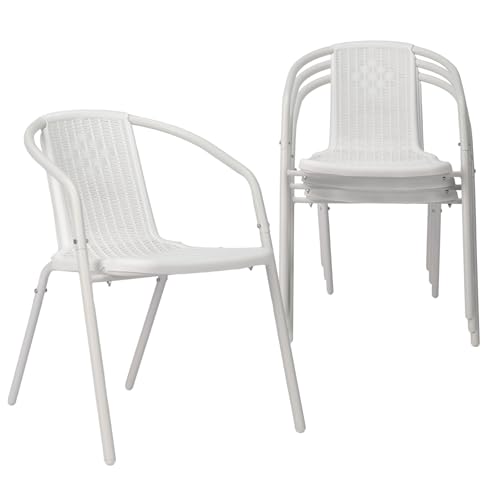
VINGLI PE Rattan Patio Dining Chairs Set of 4 | Plastic Stackable Outdoor Indoor Dining Chairs with Armrests, Weather-Resistant Woven Design for Porch, Garden, White
Check price on Amazon