
Wood Burning Fireplace: Complete Guide to Buying, Safety & Maintenance
Discover everything about wood-burning fireplaces—from choosing the right model and installation to safety tips and upkeep. Create warmth and ambiance with confidence.
SHOP FIREPLACE PRODUCTSDiningFit's Fireplace Philosophy: A wood-burning fireplace is more than a heat source—it's the soul of your home. We believe informed homeowners make the best decisions. This guide covers every aspect to help you choose, install, and maintain a fireplace that fits your lifestyle, budget, and space.
What is a Wood Burning Fireplace?
A wood burning fireplace is a structure designed to contain a fire for heating and ambiance. It typically consists of a firebox (where the wood burns), a chimney or flue to vent smoke, and a hearth for safety. Modern units range from traditional open hearths to highly efficient wood-burning fireplace inserts and stoves. They offer a timeless charm and can be a primary or supplemental heat source for your home.
Types of Wood Burning Fireplaces
Choosing the right type depends on your home, budget, and heating needs. Here are the main options:
🔲 Masonry Fireplaces
Built from brick, stone, or concrete. They are custom-designed, offer high thermal mass, and can last for generations. However, they are expensive and require a proper foundation. Ideal for new construction.
🔥 Fireplace Inserts
Retrofit units that fit into an existing masonry fireplace. They are highly efficient, often with sealed glass doors and blowers. They convert a traditional fireplace into a powerful heating appliance. See our guide on fireplace heating capacity (BTU) guide for more.
🪵 Wood Stoves
Freestanding units made of cast iron or steel. They are highly efficient and can be placed on a hearth, with a chimney pipe venting through the roof or wall. They offer flexibility in placement and a classic aesthetic.
🏡 Zero-Clearance Fireplaces
Prefabricated, factory-built units designed to be installed directly against combustible materials (with proper clearances). They are less expensive than masonry and can be placed in almost any room. They are often vented through the wall or roof.
Benefits & Considerations
Before purchasing, weigh the pros and cons. A well-chosen wood-burning fireplace can significantly enhance your home.
✅ Key Benefits
- • Renewable & carbon-neutral fuel source (when sustainably harvested)
- • Can reduce heating bills as a primary or supplemental heat source
- • Creates a cozy, inviting atmosphere and increases home value
- • Operates independently of electricity, ideal for power outages
⚠️ Important Considerations
- • Requires a reliable source of seasoned firewood and storage space
- • Needs regular maintenance, including chimney sweeping and inspections
- • Can be labor-intensive to start and tend compared to gas or electric
- • May have emissions regulations; check local ordinances
How to Choose the Right Wood Burning Fireplace
Choosing the perfect fireplace involves assessing your home, heating needs, and personal preferences. Use this checklist to guide your decision:
- Heating Capacity (BTU): Match the fireplace's heat output to your space. A unit with too few BTUs won't heat effectively, while too many will be inefficient. Refer to our fireplace heating capacity (BTU) guide for detailed calculations.
- Size & Clearance: Measure your available floor space, wall space, and clearance requirements. For zero-clearance or wood stoves, ensure you have adequate non-combustible flooring and wall protection.
- Efficiency: Look for EPA-certified models with high efficiency ratings (70% or higher). High efficiency means more heat from less wood, saving you money and reducing environmental impact.
- Venting & Installation: Determine if you need a new chimney, a chimney liner, or a direct-vent system. Some units can be vented through an exterior wall, saving on installation costs.
- Style & Aesthetics: Choose a design that complements your home. Options include traditional, modern, rustic, and transitional styles. Consider door materials (glass, cast iron) and finishes.
- Budget: Set a realistic budget that includes the unit, installation, and necessary accessories like fireplace wood holders, hearth tools, and screens.
For more on home heating and comfort, explore our guides on portable heaters and outdoor fireplace maintenance.
Installation & Safety Must-Knows
Proper installation is critical for safety and performance. Always consult with certified professionals. Key safety aspects include:
') left center no-repeat; background-size: 1.2rem; border-bottom: 1px solid #f3ebe2; color: #3b3229;">Clearances: Maintain proper distances from combustible walls, floors, and furniture. Follow the manufacturer's guidelines and local building codes. ') left center no-repeat; background-size: 1.2rem; border-bottom: 1px solid #f3ebe2; color: #3b3229;">Chimney & Flue: Ensure your chimney is lined, clean, and in good condition. Use the correct size flue for your fireplace. Regular inspections are non-negotiable. ') left center no-repeat; background-size: 1.2rem; border-bottom: 1px solid #f3ebe2; color: #3b3229;">Fire Safety: Install smoke and carbon monoxide detectors. Keep a fire extinguisher nearby. Use a spark screen to prevent embers from escaping. ') left center no-repeat; background-size: 1.2rem; border-bottom: 1px solid #f3ebe2; color: #3b3229;">Burn Only Seasoned Wood: Use dry, seasoned hardwoods (like oak, maple, or ash) to reduce creosote buildup and maximize heat output.
For related topics, see our wood care guide and information on oxygen depletion sensors for safety.
Maintenance & Upkeep
Regular maintenance ensures your fireplace operates safely and efficiently for years. Follow this annual schedule:
') left center no-repeat; background-size: 1.2rem; border-bottom: 1px solid #f3ebe2; color: #3b3229;">Chimney Sweep: Hire a certified chimney sweep annually to clean and inspect the flue. This prevents dangerous creosote buildup and chimney fires. ') left center no-repeat; background-size: 1.2rem; border-bottom: 1px solid #f3ebe2; color: #3b3229;">Firebox & Glass: Remove ashes regularly (leave a 1-inch layer for insulation). Clean the glass door with a dedicated fireplace glass cleaner. ') left center no-repeat; background-size: 1.2rem; border-bottom: 1px solid #f3ebe2; color: #3b3229;">Gaskets & Seals: Check and replace worn door gaskets to maintain an airtight seal, which improves efficiency. ') left center no-repeat; background-size: 1.2rem; border-bottom: 1px solid #f3ebe2; color: #3b3229;">Exterior: Inspect the chimney cap and crown for cracks or damage. Keep the area around the fireplace clear of debris.
Proper maintenance complements your outdoor furniture maintenance routine, ensuring all your home investments last.
Cost & Budgeting Guide
Wood-burning fireplaces vary widely in price. Here's a realistic breakdown to help you plan:
- Masonry Fireplace (new): $5,000 – $15,000+ depending on design and materials.
- Fireplace Insert (including installation): $2,500 – $6,000 for a high-efficiency unit.
- Wood Stove (including installation): $1,500 – $4,500, with premium models costing more.
- Zero-Clearance Fireplace (unit + install): $2,000 – $5,000.
- Annual Maintenance: $100 – $300 for chimney sweep and inspection.
- Firewood (per season): $200 – $600 depending on region and wood type.
Always get multiple quotes from certified installers. For a broader home heating perspective, check out our ventless gas fireplace guide or portable heater options.
Environmental Impact & Eco-Friendly Practices
Wood is a renewable resource, but it's essential to burn it responsibly. Modern EPA-certified wood stoves and inserts emit up to 70% less pollution than older models. To minimize your footprint:
') left center no-repeat; background-size: 1.2rem; border-bottom: 1px solid #f3ebe2; color: #3b3229;">Choose EPA-Certified Models: They ensure efficient combustion and lower emissions. ') left center no-repeat; background-size: 1.2rem; border-bottom: 1px solid #f3ebe2; color: #3b3229;">Use Seasoned Hardwoods: Properly dried wood burns hotter and cleaner, reducing smoke and creosote. ') left center no-repeat; background-size: 1.2rem; border-bottom: 1px solid #f3ebe2; color: #3b3229;">Source Wood Locally: Reduces transportation emissions and supports sustainable forestry. ') left center no-repeat; background-size: 1.2rem; border-bottom: 1px solid #f3ebe2; color: #3b3229;">Consider a Hybrid System: Use your fireplace as a supplement to a more efficient primary heating system.
For a greener home, also explore our outdoor kitchen and outdoor furniture guides.
Best Wood Burning Fireplaces & Accessories
⚠️ AFFILIATE DISCLOSURE: This website contains affiliate links. As an affiliate Associate, we earn from qualifying purchases. If you make a purchase through these links, we may receive a small commission at no additional cost to you. Read our full affiliate policy.

Wood Burning Indoor Fireplace Heater, Carbon Steel, 55x30x50cm
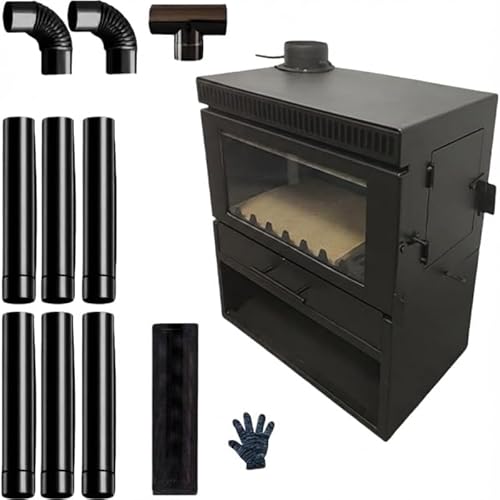
Cast Iron Wood Burning Stove Fireplace, Secondary Combustion Clean Burn System, Large Viewing Glass, Dual Loading Doors, Airwash Technology, Flue Damper & Log Rack

Panovue 39 Inch Fire Pits with Outdoor Chimney and Wood Storage

JossaColar Wood Stove Fan Heat Powered Fireplace Fan Non Electric, Thermal Fan for Wood Burning Stove/Log Burner, w/Stove Accessories Thermometer

Hot Tent Stove,AVOFOREST Wood Burning Stove,Small Wood Stove with 7 Stainless Chimney Pipes for Outdoor Heating & Cooking, Ice Fishing, Hunting

TIKI Patio 25-Inch Smokeless Outdoor Wood Burning Fire Pit with Cover

Comfort Glow Cast Iron Wood Stove – Indoor EPA Certified Heater, Fits 22" Logs, Heats 900 Sq. Ft., Cooking Surface, Compact Design, 6" Flue Collar, 1-year Warranty
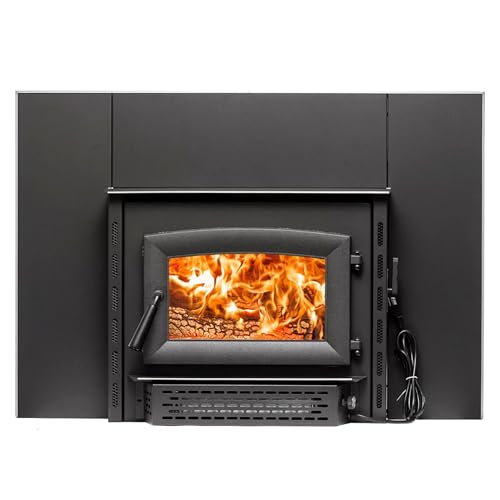
US Stove US1800E 1,200 sqft Wood Fireplace Insert
Frequently Asked Questions
Can I install a wood-burning fireplace in an existing home?
Yes, you can install a fireplace insert into an existing masonry fireplace or a zero-clearance unit in a new location. However, you will need proper venting (chimney or direct vent). Always consult a professional.
How much wood do I need for a season?
A typical household burns 3-5 cords of wood per season, depending on climate, home size, and fireplace efficiency. A cord is 128 cubic feet of stacked wood.
Are wood-burning fireplaces safe?
Yes, when properly installed, maintained, and used. Key safety practices include annual chimney inspections, using a spark screen, keeping combustibles away, and having working smoke and CO detectors.
What is the difference between a fireplace and a wood stove?
A fireplace is generally built into a wall and has an open or glass-enclosed firebox. A wood stove is a freestanding metal unit that radiates heat from all sides, often with a higher efficiency rating.
Make Your Home Cozy & Efficient
A wood-burning fireplace is an investment in comfort, home value, and timeless aesthetics. By choosing the right model, prioritizing safety, and committing to regular maintenance, you'll enjoy many warm winters. Ready to find the perfect fireplace? Browse our recommended products below and start your journey to a cozier home.
For more inspiration, see our guides on centerpiece ideas, dining room rugs, and decorative mirrors to complete your space.