
Banquette Seating Corner: The Complete Research & Buying Guide
Everything you need to know before choosing a corner banquette — layout types, bench construction, storage options, upholstery choices, and measurement tips for a dining nook that fits your space perfectly.
Start ReadingWhat Is a Corner Banquette?
A banquette seating corner is an L-shaped dining bench arrangement built or placed into a corner where two walls meet. Instead of seating everyone on individual chairs, the banquette anchors one or two sides of the dining table with a continuous bench, freeing up floor space and creating a cozy, restaurant-inspired feel.
Corner banquettes are popular in kitchens, breakfast nooks, and compact dining rooms because they use the least accessible part of a room — the corner — and turn it into the most inviting seat in the house. They can be fully built-in, semi-custom, or freestanding, and they pair naturally with a variety of tables, from rectangular farmhouse designs to round bistro tables.
Why Homeowners Choose Corner Banquette Seating
Corner banquettes solve a specific set of problems that regular dining sets cannot. Understanding these benefits helps you decide whether a banquette is the right investment for your room.
- Space efficiency: A corner bench removes the need for clearance behind two sides of the table, which is a major advantage in tight kitchens and apartments.
- Seating capacity: A well-designed L-shaped banquette can seat five to seven people around a single table, often more than a comparable chair-only setup.
- Built-in storage: Lift-up seats and under-bench drawers turn dead space into practical storage for linens, board games, or seasonal items.
- Visual anchor: A corner banquette gives an open-plan kitchen or great room a defined dining zone without requiring walls or room dividers.
- Comfort and ambiance: Upholstered benches with backrests feel more relaxed and conversational than formal dining chairs, encouraging longer meals and gatherings.
If your goal is a cozy breakfast area with character, a banquette is often a stronger fit than a standard table-and-chairs arrangement. If you need maximum flexibility for large events, consider how easily the bench can be supplemented with chairs — a banquette dining set is a practical way to combine both seating types in one coordinated package.
Types of Corner Banquette Layouts
Not every corner banquette is the same. The layout you choose determines seating capacity, circulation, and how the bench integrates with the rest of the room. Here are the most common configurations.
1. Symmetrical L-Shape
Two equal bench runs meet at a 90-degree corner. This is the classic corner banquette, ideal for square or nearly square nooks. It offers balanced seating and a clean, architectural look. A symmetrical L works especially well with a rectangular table pushed against the corner bench.
2. Asymmetrical L-Shape
One bench run is longer than the other, typically because one wall is longer or because a doorway or window interrupts the space. This layout is common in open-plan kitchens where the banquette must work around a cabinet run or appliance. It can seat just as many people while adapting to real-world room constraints.
3. Curved or Rounded Corner
The bench wraps the corner with a gentle curve instead of a sharp angle. Curved banquettes look more custom and soften the visual weight of the bench. They are often built-in and pair beautifully with round tables. The trade-off is complexity of construction and, in freestanding versions, a larger footprint.
4. Single-Run Bench with Corner Return
One long bench runs along a single wall and turns a short distance into the corner, while the opposite side of the table uses chairs. This hybrid approach is flexible: it adds bench seating without committing to a full L. It is a practical middle ground for rooms that cannot accommodate two full bench runs.
5. Freestanding vs. Built-In
The construction method matters as much as the shape:
- Built-in banquettes are attached to walls and often constructed on site or as fitted modules. They maximize space efficiency and feel permanent, but are harder to change later.
- Freestanding banquettes arrive as complete benches that can be placed and repositioned. They suit renters and evolving layouts, and many include storage in the base.
For spaces that may be reconfigured, a freestanding banquette seat is the more forgiving choice. For long-term custom renovations, a built-in design pays off in fit and finish.
Storage Options: Turning the Bench Into a Utility Asset
Storage is one of the strongest reasons to choose a banquette over a simple bench. A corner banquette with storage can absorb items that would otherwise clutter countertops or occupy a separate cabinet. Here is how the main storage types compare.
| Storage Type | Best For | Considerations |
|---|---|---|
| Lift-up seat lid | Storing large, infrequently used items such as seasonal linens or serving platters | Requires lifting the cushion; choose gas-strut hinges for easier access |
| Pull-out drawers | Everyday items like napkins, cutlery, and placemats | Drawers need clear floor space in front; plan 24 to 30 inches of pull-out room |
| Open end cubbies | Baskets, books, and kids' items | Visually open; best for tidy households or with matching baskets |
| Combination base | Mixed storage needs in larger L-shaped builds | Most flexible but requires custom joinery or a modular system |
If storage is a priority, a banquette seating with storage model can replace an entire sideboard in a small kitchen. For households that need both seating and hidden organization, a bench with storage for the kitchen is a natural companion piece, especially when the banquette sits along a single wall rather than in a full corner.
Upholstery, Comfort, and Durability
A banquette is a seat people use every day, so fabric choice matters as much as frame construction. The right upholstery balances comfort, cleanability, and visual warmth.
Frame and Cushion Construction
- Frame: Solid hardwood or plywood frames hold up best under daily use. Entry-level models may use engineered wood; premium and luxury banquettes typically use kiln-dried hardwood.
- Seat foam: High-density foam (typically 2.0 lb/ft³ or higher) resists flattening. Mid-range and high-end banquettes often combine a firm base foam with a softer comfort layer.
- Back support: A slight recline or a padded backrest dramatically improves comfort for long meals. Full-height backrests feel more enclosed; low backs keep sightlines open in small rooms.
Fabric Choices
- Performance fabrics: Solution-dyed acrylic and treated polyester blends resist stains and fading. They are the standard choice for family dining.
- Faux leather: Easy to wipe clean and durable, but can feel warm in hot climates. Look for breathable backing for comfort.
- Cotton and linen blends: Beautiful and breathable, but require more care. Best for adult households or formal nooks.
- Removable covers: A practical option for households with children or pets. Zip-off covers can be washed or replaced without reupholstering the bench.
Market Tiers: What Different Banquette Classes Offer
Corner banquettes span a wide range of construction quality and customization. Instead of focusing on numeric figures, it helps to understand what each tier typically delivers so you can match the product to your expectations and how long you plan to keep it.
Essential / Starter Tier
Ready-to-assemble or simple freestanding benches with engineered wood frames and basic foam cushions. Best for renters, temporary setups, and light daily use. Expect straightforward upholstery and limited storage options.
Mid-Range Tier
Solid wood or reinforced frames, higher-density foam, and performance fabric options. Many mid-range models include lift-up storage and modular L-shape configurations. A solid choice for everyday family dining.
Premium / High-End Tier
Custom-built or semi-custom banquettes with kiln-dried hardwood frames, tailored upholstery, and integrated storage. Expect better joinery, refined cushion shapes, and finishes designed to match kitchen cabinetry.
Luxury / Professional-Grade
Architect-designed built-ins with commercial-grade upholstery, custom curves, and seamless millwork integration. Suited to high-end renovations where the banquette is a permanent architectural feature.
Most homeowners find the sweet spot in the mid-range tier: solid construction, comfortable cushions, and practical storage without the complexity of a fully custom build. If the banquette will be a permanent feature of a renovated kitchen, moving up to the premium tier usually delivers better long-term satisfaction.
Measurement and Fit Checklist
Corner banquettes are less forgiving than freestanding chairs because they cannot easily be squeezed or angled into place. Measure twice — ideally three times — before ordering.
Step-by-Step Measurement
- Wall lengths: Measure the full length of both walls that meet at the corner. Note any doors, windows, outlets, or baseboard heaters that interrupt the run.
- Bench depth: Decide how far the bench should extend from the wall. Typical depths are 18 to 24 inches; deeper benches feel more comfortable but reduce floor space.
- Table clearance: Leave enough room between the bench front and the opposite chairs for knees and for pulling chairs in and out — usually 12 to 18 inches of table overhang relative to the bench.
- Walkway width: Behind any chairs opposite the banquette, allow 30 to 36 inches for comfortable passage.
- Corner squareness: Check whether the corner is a true 90 degrees. Older homes often have slightly irregular angles, which matters for built-in banquettes.
- Height coordination: Confirm the bench seat height matches your table. Standard dining tables pair with benches around 18 inches high; counter-height tables need taller benches.
For nooks that sit against a single wall rather than a true corner, a banquette seating for the kitchen layout can be adapted with a corner return. And if you are comparing bench options more broadly, our guide to bench banquette designs covers additional configurations, while banquette seats explains the differences between upholstered, wooden, and storage-integrated benches.
Pros and Cons Summary
No furniture choice is perfect for every room. Here is an honest summary to help you weigh the decision.
| Advantages | Trade-offs |
|---|---|
| Maximizes seating in tight corners | Less flexible than individual chairs for reconfiguring the room |
| Creates a cozy, anchored dining zone | Built-in versions are difficult to move or repurpose later |
| Integrated storage can replace a sideboard | Storage access may require moving cushions or clearing floor space |
| Upholstered benches are comfortable for long meals | Fabric maintenance is higher than plain wood chairs |
| Visually unifies open-plan kitchens and dining areas | Requires accurate measurements; returns are harder than with chairs |
Recommended Corner Banquette Seating & Dining Nook Products
⚠️ AFFILIATE DISCLOSURE: This website contains affiliate links. As an affiliate Associate, we earn from qualifying purchases. If you make a purchase through these links, we may receive a small commission at no additional cost to you. Read our full affiliate policy.

Baxton Studio Arvid Mid-Century Modern Tan Faux Leather Upholstered and Walnut Brown Finished Wood 2-Piece Dining Corner Sofa Bench
Check price on Amazon
CHITA Breakfast Nook Bench with Storage, Banquette Seating, 4 Seats, Khaki | L Shaped Corner Dining Bench for Kitchen & Dining Room, Modular Upholstered Fabric Seating with Back
Check price on Amazon
SITJOY Breakfast Nook Bench with Storage, Beige, 4 Seat (1 Corner Seat) | Removable Washable Covers, Modular Corner Kitchen Banquette Seating, Dining Settee Couch, Upholstered Dining Bench with Back
Check price on Amazon
Round Dining Table Set with Loveseat & Chairs, 47 Inch Farmhouse 5-Piece Round Table Setting for 4 to 6, Wood Circle Table and Chairs Set for Kitchen,Breakfast Nook, Indoor Conversational Seating
Check price on Amazon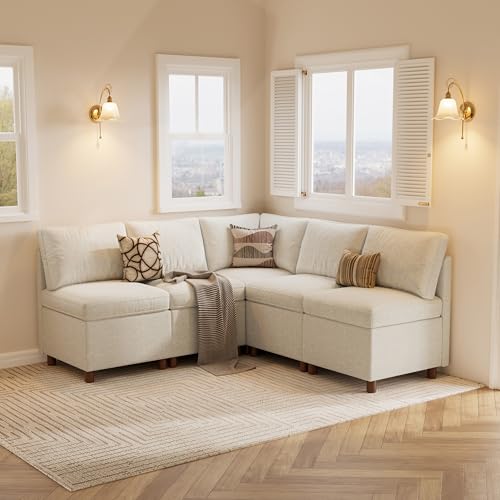
SITJOY Breakfast Nook Bench with Storage, Beige, 5 Seat (1 Corner) | Removable Washable Covers, Modular Corner Kitchen Banquette Seating, Dining Settee Couch, Upholstered Dining Bench with Back
Check price on Amazon
CHITA Breakfast Nook Bench with Storage, Banquette Seating, 5 Seats, Khaki | L Shaped Corner Dining Bench for Kitchen & Dining Room, Modular Upholstered Fabric Seating with Back
Check price on Amazon
Plank+Beam Risa Dining Bench, 64 Inch, Corner Bench, Black | Space-Saving Solution, Hassle-Free Setup, Solid Wood
Check price on Amazon
Baxton Studio Bryna 2-Piece Fabric Upholstered Dining Nook Bench Set - Corner Kitchen Banquette Seating with Skirted Base, L-Shaped Nook for Small Spaces, Dark Grey
Check price on AmazonFrequently Asked Questions
What is corner banquette seating?
Corner banquette seating is an L-shaped bench arrangement designed to fit into a corner of a dining room, kitchen, or breakfast nook. It combines two bench runs meeting at a right angle and is usually paired with a table and chairs to create a space-efficient dining zone.
How much floor space does a corner banquette need?
A typical corner banquette requires roughly 5 to 7 feet along each wall, plus clearance for the table and chairs opposite the bench. Leave 30 to 36 inches behind chairs for comfortable passage, and confirm bench depth of 18 to 24 inches.
Is built-in or freestanding corner banquette better?
Built-in banquettes maximize space efficiency and look custom, making them ideal for permanent dining zones and renovations. Freestanding corner benches offer flexibility and easier installation, which suits renters and evolving layouts.
Can corner banquette seating include storage?
Yes. Lift-up seat lids, pull-out drawers, and open cubbies are common storage options. Storage banquettes are especially useful in small kitchens and breakfast nooks where every square foot counts.
What upholstery works best for a corner banquette?
Performance fabrics and faux leather are popular for their stain resistance and durability. For family dining, mid-range or premium performance textiles offer the best balance of comfort and cleanability. Removable covers are worth considering for households with children or pets.
How do I measure for a corner banquette?
Measure both wall lengths, note obstructions, and confirm the bench depth you can spare. Map the table position and chair clearance, then use masking tape on the floor to test the layout. Check that the corner is a true 90 degrees before ordering a built-in model.
Final Thoughts Before You Buy
A corner banquette is one of the most effective ways to transform an awkward corner into the most-used seat in the house. The key is to start with the room, not the product: measure carefully, decide between built-in and freestanding, and choose a storage and upholstery package that matches how you actually live.
Once the layout is settled, the buying decision becomes much simpler. Compare construction quality, cushion density, and fabric performance within the tier that fits your long-term plans — and take advantage of the product selection above to explore options that match your chosen configuration.