
Bar Stools for Kitchen Island: The Complete Buying & Style Guide
Your kitchen island deserves seating that fits both the space and your lifestyle. Learn how to choose the right height, seat style, materials, and comfort features so every meal and conversation feels effortless.
Why this guide matters: Bar stools are one of the most-used pieces of seating in a home, yet they are often the last thing considered during a kitchen island design. Getting the height, width, and comfort right makes your island a natural gathering spot. Getting it wrong means cramped knees, wobbling seats, and stools that end up tucked away unused. This guide walks you through every decision point so you can buy with confidence.
Why the Right Kitchen Island Stools Matter
A kitchen island is more than prep space — it is where breakfast happens, homework gets done, and guests naturally gather. The stools you choose directly shape how that space functions every day.
A well-matched stool set transforms an island into a flexible dining zone. When seat height aligns with the counter, posture improves and meals feel comfortable rather than rushed. When the seat width suits the overhang, stools tuck away cleanly and the island retains a tidy silhouette.
Beyond function, kitchen island stools carry a large share of the visual weight in an open-plan kitchen. Their silhouette, material, and color influence how the island reads from the living room and dining area. Choosing stools that echo your cabinetry, countertop, or lighting creates visual cohesion across the whole space.
Finally, durability matters more here than in almost any other seating category. Island stools face spills, daily use, and constant sliding in and out. Investing in a well-built tier of stool — whether a balanced mid-tier option or a premium model with reinforced joinery — pays off through years of stable, wobble-free service.
Height Guide: Counter vs Bar Height Stools
Height is the single most important specification. A stool that is too tall traps knees under the counter; one that is too short feels like sitting in a child's chair.
Start by measuring from the floor to the underside of your island countertop. Then subtract 9 to 12 inches for a comfortable knee clearance. That number is your target seat height.
| Island Type | Counter Height (Floor to Underside) | Recommended Stool Seat Height | Best For |
|---|---|---|---|
| Standard counter-height island | About 36 inches | 24–26 inches | Everyday family seating, casual meals |
| Bar-height island | About 42 inches | 28–30 inches | Entertaining, raised breakfast bars |
| Adjustable or multi-level island | Varies | Adjustable-height stool | Rental kitchens, flexible households |
If your island has a raised bar section behind the main counter, you may need two stool heights in one kitchen. In that case, keep the visual style consistent and vary only the height. Browse backless counter height bar stools for the lower tier, and bar height stools with backs for the raised section.
How Many Stools Fit — Width and Spacing
Comfort is about width as much as height. Squeezing in one extra stool usually makes the whole row feel cramped.
- Standard allowance: about 24 inches of island width per stool for relaxed seating.
- Compact allowance: about 20 inches per stool if you prefer a snug row and the stools are backless.
- 6-foot island: two to three stools.
- 8-foot island: three to four stools.
- Overhang depth: aim for at least 12 inches of counter overhang so knees have room.
Backless designs are especially useful where the row is tight or where the island sits in a walkway. For a deeper comparison, see our guide to backless stools. If your island doubles as a dining table, consider pairing stools with a dedicated kitchen island table layout so the seating zones stay clear.
Seat Styles: Backless, Low Back, and Full Back
Seat style is where comfort, aesthetics, and space planning meet. Each option serves a different household rhythm.
Backless Stools
Tuck completely under the overhang, keeping sightlines open. Ideal for modern kitchens, compact islands, and households that use the island mostly for quick meals. Many entry-level and mid-range backless models are lightweight and easy to move.
Low-Back Stools
Offer a hint of lumbar support without blocking the view across the kitchen. A strong middle choice for open-concept homes where the island faces the living room and guests linger over coffee.
Full-Back Stools
Provide the most support for long meals, remote work at the island, and older family members. Premium upholstered versions with high-density foam and reinforced frames are a long-term investment in daily comfort.
Foldable Stools
Store flat when not needed — excellent for small kitchens and occasional entertaining. See our notes on foldable bar stools for space-stretching ideas.
Materials and Durability: What to Look For
Island stools live in a high-traffic, high-spill zone. Material choice determines how they age.
Engineered Wood & Laminate
Light and easy to move. Best for low-traffic households or as a first set. Check that joints are glued and screwed rather than stapled, and look for a sealed finish to resist moisture.
Solid Wood Frames
Durable construction with repairable surfaces. Hardwoods like oak, maple, and beech hold up well and can be refinished over time. Pair with a warm finish to complement a wooden kitchen stool aesthetic.
Metal Frames
High-grade steel with a rust-proof finish handles heavy use and cleans easily. Powder-coated finishes resist chipping. Metal pairs beautifully with stone and glass island tops.
Upholstered Seats
Performance fabrics and leather-look upholstery add comfort and absorb sound. Choose removable or wipe-clean covers if children or pets are in the house. Reinforced stitching signals a premium tier.
For upholstered options, explore our guide to upholstery fabric for dining chairs — the same durability principles apply to island seating. If you want a bolder statement, a black and gold bar stool adds contrast against light cabinetry.
Footrests, Swivels, and Adjustability
Small hardware details make a large difference in daily comfort.
- Footrests: A built-in footrest takes pressure off the thighs. Look for a reinforced bar or a wide flat rest that is comfortable barefoot.
- Swivel seats: Great for islands that face both the cooking zone and the living area. Choose models with smooth, quiet mechanisms and a solid return spring.
- Adjustable height: Useful in rental kitchens or multi-user households, though fixed-height stools typically feel more stable.
- Floor protection: Rubber or felt glides prevent scratches on hardwood and tile. Replaceable glides extend the life of the stool.
Matching Stools to Your Kitchen Style
Stools should feel intentional — part of the design rather than an afterthought.
- Modern minimal: Slim metal frames, backless seats, and a neutral palette.
- Farmhouse: Solid wood frames, turned legs, and warm finishes that echo a solid wood farmhouse dining table and chairs set nearby.
- Industrial: Mixed wood-and-metal frames with visible hardware. Pair with an industrial table dining setting for cohesion.
- Contemporary: Upholstered seats, tapered legs, and subtle hardware accents. See black contemporary dining chairs for coordinating silhouettes.
If your island seating sits in the same sightline as the dining table, coordinate the wood tone and leg style. Our guide on dining room chairs and bar stools to match walks through that pairing in detail.
Step-by-Step Buying Checklist
Work through these steps in order before you commit to a set.
- Measure the counter underside height at the seating side of the island.
- Subtract 9–12 inches to find your target seat height.
- Measure the overhang depth and confirm at least 12 inches for knee room.
- Count available width and divide by 20–24 inches per stool to set the maximum count.
- Choose a seat style based on how long people typically sit — quick meals favor backless, long visits favor full-back.
- Pick a material tier that matches your household traffic and cleaning routine.
- Check hardware details — footrest, glides, swivel, and weight capacity.
- Coordinate the look with nearby cabinetry, countertop, and dining furniture.
Recommended Bar Stools for Kitchen Island
⚠️ AFFILIATE DISCLOSURE: This website contains affiliate links. As an affiliate Associate, we earn from qualifying purchases. If you make a purchase through these links, we may receive a small commission at no additional cost to you. Read our full affiliate policy.

Nalupatio Modern Bar Stools Set of 2, Adjustable Faux Leather Upholstered Swivel Bar Stools, Counter Height Bar Chairs with Back for Kitchen Island, Black
Check price on Amazon
GRUSIGN Bar Stools Set of 2, Modern Swivel Adjustable Bar Chairs, Faux Leather Upholstered Counter Height Bar Stools with Backrest, Comfort Barstools for Kitchen Island, Home Bar, Black
Check price on Amazon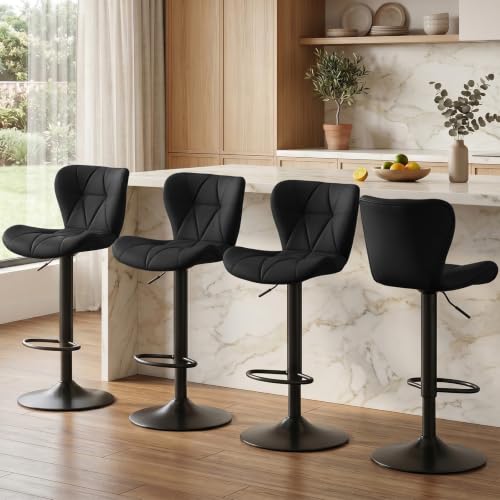
HAPPYMONT Bar Stools Set of 4, PU Leather Adjustable Height Swivel Barstool | Modern, Counter Height Chairs, Back, Footrest, Padded Seat, Kitchen Island, Living Room, Dining Room, Cafe, Black
Check price on Amazon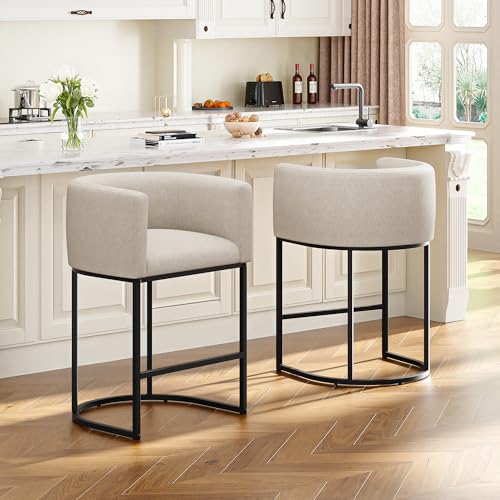
VATROS 26" H Counter Height Bar Stools Set of 2, Modern Barrel Counter Stools with Backrest and Arms, Linen Fabric Upholstered Accent Barstools for Kitchen Island,Support 450 LBS (Beige)
Check price on Amazon
HOOBRO Bar Stools, Set of 2 Bar Chairs, 23.6 Inch Saddle Stools, Kitchen Counter Seat with Footrests, Industrial Barstools for Dining Room, Kitchen, Counter, Rustic Brown and Black BF02MD01
Check price on Amazon
Signature Design by Ashley Valebeck Counter Height Bar Stool, Brown | Rustic-industrial wood and metal stool, Cushioned comfort, Tailored nailhead trim, Smooth 360-degree swivel
Check price on Amazon
VASAGLE Wooden Bar Stools Set of 2, Linen-Look Fabric, Cappuccino Beige | Mid Century Modern, Linen-Look Fabric, Solid Wood Legs, Ergonomic Backrest, Beige, MAZIO Collection ULBC125L101
Check price on Amazon
HOOBRO Bar Stools, Set of 2 Bar Chairs, Counter Height Stools, Saddle Barstools with Curved Surface, 24.8 Inches, 2.4" Thick Upholstery, for Kitchen, Dining Room, Cafe Black BB10BY01
Check price on AmazonFrequently Asked Questions
What height bar stools do I need for a kitchen island?
Counter-height islands (about 36 inches to the underside) pair with stools that have a seat height of roughly 24 to 26 inches. Bar-height islands (about 42 inches) need stools with a seat height of roughly 28 to 30 inches. Always leave 9 to 12 inches of clearance between the seat and the counter underside.
Are backless or backed bar stools better for a kitchen island?
Backless stools tuck neatly under the island and suit compact spaces and modern aesthetics. Stools with backs offer more support for longer meals and conversations. Low-profile backs are a good compromise for visual openness with added comfort.
How many bar stools fit at a kitchen island?
Allow roughly 24 inches of width per stool for comfortable seating. A 6-foot island generally fits two to three stools, while an 8-foot island comfortably seats three to four.
Should bar stools match my dining chairs?
They do not need to be identical, but they should feel related. Coordinate the wood tone, metal finish, or leg silhouette. If the island and dining table sit in the same sightline, matching the finish family usually reads best.
What is a good weight capacity for kitchen island stools?
Look for stools rated well above the weight of your heaviest expected user. Commercial-grade and professional-grade models typically publish clear weight ratings and use reinforced joinery, which is a strong signal of durability.
Ready to Complete Your Island Setup?
Pair your new stools with the right storage and dining pieces. Explore our related guides on kitchen islands, dining chairs, and bar-height seating to build a cohesive space.
Explore Kitchen Island ChairsRelated Reading
Continue your research with these focused guides:
- Kitchen island with seating and storage for 4 — layout ideas for family-sized islands.
- Kitchen island with storage and seating for 2 — compact island planning.
- Freestanding kitchen island with storage and seating — flexible island options.
- Backless counter height bar stools — a deep dive on tuck-away seating.
- Bar height stools with backs — support-focused options.
- Dining room chairs and bar stools to match — cohesive styling advice.