Retro Bar Stools: The Complete Buying Guide for Vintage-Inspired Seating
Retro bar stools bring a distinct sense of character to kitchens, home bars, and dining spaces. Drawing from mid-century modern, diner, and space-age design movements, these stools combine nostalgic aesthetics with practical seating. Whether you are furnishing a breakfast nook, upgrading a kitchen island, or completing a basement bar, retro bar stools offer a design-forward alternative to standard counter seating.
This guide walks you through the key considerations when selecting retro bar stools: design language, materials, height requirements, comfort features, and durability. By the end, you will have a clear framework for choosing stools that fit both your space and your lifestyle.
What This Guide Covers
- What Defines a Retro Bar Stool?
- Key Design Styles to Know
- Materials and Construction
- Height and Sizing Guide
- Comfort and Ergonomics
- Quality Tiers Explained
- Matching Stools to Your Space
- Care and Maintenance
- Frequently Asked Questions
What Defines a Retro Bar Stool?
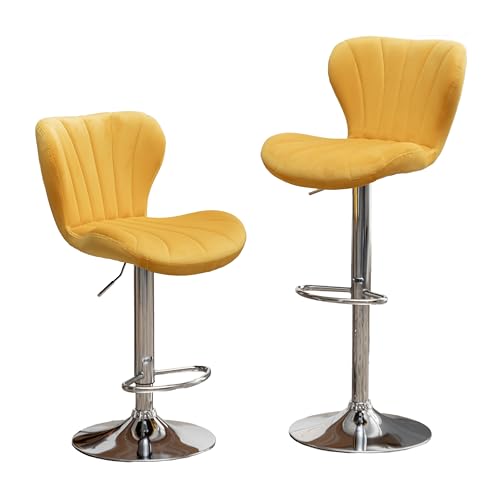
A retro bar stool is characterized by design elements that reference mid-20th-century aesthetics. Common features include:
- Tapered or splayed legs: Wooden frames with angled legs that evoke mid-century modern furniture.
- Molded or contoured seats: Seats shaped to the body, often in molded plywood, plastic, or upholstered foam.
- Vinyl or faux leather upholstery: Smooth, easy-to-clean surfaces in bold or muted vintage tones.
- Chrome and metal accents: Tubular steel frames, chrome footrests, and polished hardware reminiscent of diner stools.
- Bold color palettes: Mustard yellow, teal, burnt orange, olive green, and cream are common retro color choices.
- Compact proportions: Retro stools often have a smaller footprint than modern bar stools, making them suitable for tighter spaces.
These design cues can appear individually or in combination. A stool with a wooden splayed frame and a molded seat reads as mid-century modern, while a chrome-framed stool with a vinyl cushion leans toward diner style. Understanding these distinctions helps you match stools to your existing interior.
Design tip: Retro bar stools work best when they complement rather than compete with the surrounding space. If your kitchen already features bold patterns or saturated colors, choose stools with simpler retro lines and neutral upholstery. If your space is minimal, a pair of brightly colored retro stools can serve as a focal point.
Key Design Styles to Know
Mid-Century Modern
Mid-century modern retro bar stools feature clean lines, tapered wooden legs, and molded seats. Wood species like walnut, teak, and oak are common, often paired with upholstered seats in neutral or muted tones. These stools pair well with rustic bar stools in open-concept spaces where you want a blend of warmth and clean design. For a more industrial edge, consider industrial bar stools as a complementary option.
Diner and American Diner Style
Diner-style retro stools typically feature chrome tubular frames, round padded seats, and a footrest ring. Upholstery is often vinyl in red, black, or cream. These stools are a natural fit for home bars, breakfast counters, and game rooms. If you prefer a backless profile, backless stools in a diner style offer a clean, compact look.
Space Age and Atomic Age
Space-age retro stools draw from 1960s and 1970s design, featuring curved forms, molded plastic shells, and bold geometric shapes. Materials like fiberglass, acrylic, and polished metal are common. These stools make a strong design statement and work well in eclectic or maximalist interiors.
Farmhouse Retro
A softer interpretation of retro design, farmhouse retro stools combine vintage-inspired silhouettes with rustic finishes. Think painted wooden frames, distressed finishes, and woven or rush seats. These stools bridge retro and rustic bar stools aesthetics, making them versatile for farmhouse and transitional kitchens.
Materials and Construction
The materials used in retro bar stools directly affect durability, comfort, and maintenance requirements. Here is what to consider:
Frames
- Solid wood: Durable and warm, solid wood frames in beech, oak, or walnut are common in mid-century styles. Look for joinery details like mortise-and-tenon or dowel joints for structural integrity.
- Tubular steel and chrome: Common in diner and industrial styles. Chrome-plated steel offers a polished look but can show fingerprints and scratches. Powder-coated steel is more resistant to wear.
- Molded plastic and fiberglass: Used in space-age designs. High-grade molded shells are durable, but lower-grade plastics may crack over time.
- Aluminum: Lightweight and rust-resistant, often used in outdoor-capable retro stools.
Seats and Upholstery
- Vinyl and faux leather: Easy to clean and available in many retro colors. Higher-grade vinyl is more resistant to cracking and fading.
- Fabric: Offers a softer hand feel but requires more maintenance. Tight-weave fabrics resist wear better than loose weaves.
- Molded wood: Plywood or bentwood seats provide a natural look and require no upholstery maintenance. Check for smooth, splinter-free edges.
- Foam cushioning: Denser foam maintains shape longer. Entry-level stools may use lower-density foam that compresses over time.
Hardware and Finishes
Check the quality of footrests, glides, and connection points. Reinforced footrests and protective floor glides extend the life of the stool and protect your flooring. For stools with metal accents, look for rust-proof finishes and secure welding.
Height and Sizing Guide
Choosing the correct height is the most important practical decision when buying retro bar stools. The wrong height leads to discomfort and awkward seating.
| Surface Type | Typical Surface Height | Recommended Seat Height | Best For |
|---|---|---|---|
| Standard dining table | 28 to 30 inches | 16 to 18 inches | Standard dining chairs |
| Counter-height island | 34 to 36 inches | 24 to 26 inches | Kitchen islands, counter-height bar stools |
| Bar-height counter | 40 to 42 inches | 28 to 30 inches | Home bars, 30-inch bar stools |
Always measure the actual height of your counter or table before purchasing. Allow approximately 10 to 12 inches of clearance between the seat and the underside of the surface for comfortable legroom. If your stool has arms, ensure the arms fit under the counter overhang.
For kitchen islands, bar stools for kitchen islands are specifically sized and styled for this application. If you are furnishing a dedicated bar area, bar stool chairs with backrests provide additional support.
Comfort and Ergonomics
Retro bar stools vary widely in comfort. Consider these factors when evaluating a stool for daily use:
- Seat depth and width: A seat that is too small causes pressure points. Look for seats at least 15 inches wide and 14 inches deep for adult use.
- Backrest: If you plan to sit for meals or extended conversations, choose a stool with a backrest. Bar stools with back provide better posture support than backless designs.
- Footrest: A footrest reduces pressure on the legs and improves stability. Fixed footrests are sturdier than adjustable ones.
- Cushioning: Dense foam provides better long-term support than soft, low-density foam. Upholstered seats are generally more comfortable than hard molded seats for extended sitting.
- Swivel function: Swivel stools make it easier to get on and off and are convenient in open spaces. Check the quality of the swivel mechanism; bar height swivel stools with backs and arms offer a combination of mobility and support.
For households with children or elderly users, stools with backrests and arms offer additional safety and comfort. If space allows, bar stools with backs and arms set of 2 provides a coordinated look.
Quality Tiers Explained
Retro bar stools are available across a range of quality levels. Understanding these tiers helps you set realistic expectations and choose the right stool for your needs.
| Tier | Typical Characteristics | Best For |
|---|---|---|
| Entry-level | Basic materials, lighter frames, lower-density foam, simpler joinery. May use veneers instead of solid wood. | Occasional seating, rental spaces, decorative use |
| Mid-range | Solid wood or reinforced metal frames, denser cushioning, better upholstery, more consistent finishes. | Daily seating, family kitchens, home bars |
| Premium | High-grade materials, precision joinery, premium upholstery, ergonomic shaping, refined detailing. | Frequent use, design-focused interiors, long-term investment |
| Luxury | Designer collaborations, exotic woods or high-end leather, handcrafted construction, limited production. | Statement pieces, luxury interiors, collector preferences |
Mid-range retro stools generally offer the best balance of durability, comfort, and design for most households. Entry-level stools are suitable for light use or temporary setups, while premium and luxury tiers are worthwhile investments for spaces where the stools will be used daily and prominently displayed. For a more elevated look, explore luxury bar stools.
Matching Stools to Your Space
Kitchen Islands and Breakfast Bars
For kitchen islands, choose stools that complement your cabinetry and countertop materials. Wooden retro stools warm up white or gray kitchens, while chrome and vinyl stools add a diner-inspired contrast. Consider bar stools for kitchen island specifically designed with compact footprints and appropriate heights.
Home Bars and Basements
Home bars benefit from stools with backrests and footrests for extended sitting. Diner-style chrome stools or leather-upholstered retro stools create a cohesive bar aesthetic. If you are building out a basement bar, basement bar design guides can help you plan the full layout.
Small Spaces and Apartments
In compact kitchens or apartments, backless or low-profile retro stools save visual space. Backless counter height bar stools slide under counters easily and maintain an open feel. Foldable options, such as foldable bar stools, offer flexibility for multi-use spaces.
Outdoor and Patio Spaces
If you plan to use retro stools outdoors, choose weather-resistant materials such as powder-coated aluminum, treated wood, or UV-resistant plastic. Bar height patio chairs and bar outdoor seating guides provide additional considerations for outdoor use.
Care and Maintenance
Proper care extends the life of your retro bar stools and preserves their appearance:
- Upholstery: Wipe vinyl or faux leather with a damp cloth and mild soap. Avoid abrasive cleaners that can dull the finish. For fabric upholstery, vacuum regularly and spot-clean with a suitable fabric cleaner.
- Wood frames: Dust regularly and apply a wood conditioner every few months to prevent drying and cracking. Keep wooden stools away from direct heat sources.
- Metal frames: Wipe chrome and steel with a soft cloth. Use a non-abrasive metal polish for chrome. Check for rust or loose hardware periodically and tighten as needed.
- Floor protection: Replace worn glides to prevent scratches on hard flooring. Felt pads are suitable for wood and tile; rubber glides work well on carpet.
- Weight limits: Check the manufacturer's recommended weight capacity and adhere to it to maintain structural integrity.
For more detailed care guidance, see our bar stool with cushion maintenance tips and velvet bar stools care advice for upholstered options.
Frequently Asked Questions
What defines a retro bar stool?
Retro bar stools typically feature design cues from the 1950s through 1970s, including tapered legs, splayed wooden frames, molded seats, vinyl or faux leather upholstery, chrome accents, and bold color palettes. They often draw from mid-century modern, diner, and space-age design movements.
What height should I choose for retro bar stools?
Measure from the floor to the underside of your counter or table. For standard bar-height surfaces around 40 to 42 inches, choose stools with a seat height of roughly 28 to 30 inches. For counter-height surfaces around 36 inches, choose stools with a seat height of roughly 24 to 26 inches. Always confirm the recommended height with the manufacturer.
Are retro bar stools comfortable for daily use?
Comfort depends on the model. Look for stools with contoured seats, padded upholstery, footrests, and backrests if you plan to sit for extended periods. Mid-range and premium retro stools often include denser foam cushioning and better ergonomic shaping than entry-level options.
How do I maintain retro bar stools?
Wipe vinyl or faux leather upholstery with a damp cloth and mild soap. Dust wooden frames regularly and apply a wood conditioner occasionally to prevent drying. For chrome or metal accents, use a soft cloth and a non-abrasive cleaner. Avoid harsh chemicals that can damage finishes.
Can retro bar stools be used outdoors?
Some retro bar stools are suitable for outdoor use if they are made with weather-resistant materials such as powder-coated aluminum, treated wood, or UV-resistant plastic. Always check the manufacturer's specifications for outdoor suitability. For dedicated outdoor seating, see our bar outdoor seating guide.
Final Considerations Before You Choose
Retro bar stools are a design investment that combines function and personality. Before making a final decision, confirm the following:
- Measure your counter or table height and verify the stool's seat height.
- Check the weight capacity and ensure it meets your household's needs.
- Review the return policy and warranty terms, especially for upholstered or custom-finish options.
- Consider ordering a single stool first to assess comfort and quality before committing to a set.
- Plan for floor protection with appropriate glides or pads.
With the right retro bar stools, you can create a seating area that is both functional and visually distinctive. Whether you lean toward mid-century minimalism, diner nostalgia, or space-age boldness, the options above provide a strong foundation for your selection.
Explore Retro Bar Stool Options
Browse our curated selection of retro bar stools to find the right match for your kitchen, home bar, or dining space.
View Product Recommendations