
Dining Room Buffet Cabinet: The Complete Buying Guide
Everything you need to choose the right buffet cabinet for your dining room — from size and storage layout to materials, styles, and practical features that make hosting easier.
Browse Recommended Buffet CabinetsA dining room buffet cabinet is one of the most versatile pieces you can add to your home. It serves as a serving station during meals, a storage hub for dinnerware and linens, and a visual anchor that ties your dining room together. This guide walks you through the key decisions — dimensions, configuration, materials, and style — so you can choose a buffet cabinet that fits your space, your hosting habits, and your long-term needs.
Recommended Dining Room Buffet Cabinets
⚠️ AFFILIATE DISCLOSURE: This website contains affiliate links. As an affiliate Associate, we earn from qualifying purchases. If you make a purchase through these links, we may receive a small commission at no additional cost to you. Read our full affiliate policy.
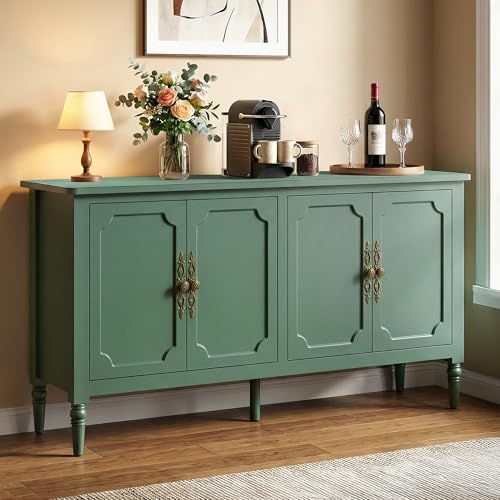
RoyalCraft Buffet Cabinet with Storage, 59" Painted Sideboard Coffee Bar | Vintage Kitchen Storage Cabinet with Adjustable Shelves, Mid Century Modern Credenza for Dining& Living Room, Entryway, Green
Check price on Amazon
VASAGLE Storage Cabinet, Sideboard with Adjustable Shelves | Mid-Century Modern Buffet Cabinet, 55.1 x 15.7 x 29.5 Inch, for Living Room, Walnut, MIRIANA Collection ULSC631KX01
Check price on Amazon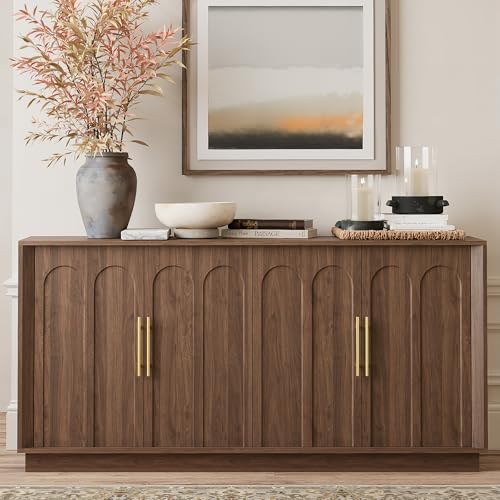
FORTUNETEC 67" Sideboard Buffet Cabinet with Storage, Arched Doors, Walnut | Mid Century Modern Accent Cabinet with Wood Gain, Modular Media Console, Credenza for Living Dining Room Kitchen Entryway
Check price on Amazon
usikey 55" Buffet Cabinet with Storage and Drawers, Large Sideboard Buffet Cabinet with Adjustable Shelves and Doors, Modern Coffee Bar for Kitchen, Living Room, White
Check price on Amazon
VASAGLE Farmhouse Buffet Cabinet, Coffee Bar with 2 Drawers | Honey Brown Sideboard, 55.1 x 15.7 x 31.5 in, Adjustable Shelves, Honey Brown, LIRY Collection, UBBK381K01V1
Check price on Amazon
VASAGLE Buffet Cabinet, Coffee Bar, Adjustable Shelf | Sideboard Storage with Cable Hole, Rustic White and Honey Brown, LIRY Collection ULSC381W01
Check price on Amazon
HOSTACK Kitchen Buffet Sideboard Storage Cabinet, Coffee Bar Cabinet, White | 55"W Farmhouse Kitchen Cabinet with Doors and Adjustable Shelves, Buffet Cabinet with 3 Drawers for Entryway Living Room
Check price on Amazon
IFGET 92.63" W Modern Arched Sideboard Buffet Cabinet with Storage, Natural | Fluted Arch Sideboard Cabinet w/Adjustable Shelves, Wooden Modular Kitchen Cabinet for Dining& Living Room, Entryway
Check price on AmazonWhat Is a Dining Room Buffet Cabinet?
A buffet cabinet — also called a sideboard, credenza, or buffet table — is a long, low storage piece typically placed against a dining room wall. Its flat top provides a serving surface for food, drinks, and decor, while the cabinet body holds dinnerware, glassware, linens, and serving pieces. Unlike a china cabinet, which usually features glass-front display doors and a taller profile, a buffet cabinet prioritizes concealed storage and a broad working surface.
Buffet cabinets come in many configurations. Some are primarily cabinet-door units with adjustable shelves, others combine drawers and doors, and some include open shelving or wine storage. The right layout depends on what you need to store and how you plan to use the surface. If you frequently host buffet-style meals, a wide top with minimal clutter is ideal. If you collect serveware, look for deep cabinets with adjustable shelving.
Because the buffet cabinet often sits in a high-traffic area between the kitchen and the dining table, it should be sturdy, easy to clean, and sized to leave comfortable circulation space. This guide will help you evaluate those trade-offs systematically.
Buffet Cabinet vs Sideboard, Credenza, and Hutch
Furniture terminology can be confusing because retailers use these terms interchangeably. Here is a practical breakdown of how the most common dining storage pieces differ:
- Buffet cabinet: A low-to-mid-height storage unit with a flat serving top, usually featuring doors and drawers. Often placed in the dining room for serving and storage.
- Sideboard: Traditionally shallower and slightly taller than a buffet, with a strong emphasis on drawers. Functionally very similar; the distinction is mostly stylistic.
- Credenza: A low, long cabinet with a mid-century or modern connotation. Often used in living and dining spaces for media or storage. See our guide to the dining room credenza for a deeper comparison.
- Hutch: A two-part unit with a lower cabinet and an upper open or glass-front shelving section. If you want display space above storage, compare a hutch and buffet combination.
- China cabinet: Taller, display-focused, and typically glass-fronted. Best for showcasing fine dinnerware rather than everyday storage.
If you are still deciding which category fits your room, our overview of buffet tables and dining room sideboards can help you narrow the field.
How to Choose the Right Size for Your Dining Room
Size is the most consequential decision. An oversized buffet cabinet can make a dining room feel cramped and block circulation, while an undersized one can look lost and fail to provide useful storage. Use the following guidelines as a starting point:
- Length: A common rule is that the buffet should be roughly 50–75% of the length of your dining table. A buffet noticeably longer than the table can visually overpower the room; one much shorter may look unbalanced.
- Depth: Most buffet cabinets are 15–20 inches deep. Deeper units offer more storage but require more floor space. Leave at least 36 inches of clearance between the buffet front and the nearest table edge or wall so guests can move and open doors comfortably.
- Height: Serving-height buffets typically stand 30–36 inches tall. Counter-height models (around 36 inches) pair well with bar stools and can double as a casual serving counter.
- Wall space: Measure the available wall and account for baseboards, outlets, and any adjacent furniture. Leave a few inches of breathing room on each side so the piece does not look wedged in.
If your dining room is compact, consider a narrower dining room storage cabinet or a dining room side table instead of a full-length buffet. Conversely, large rooms can support a statement piece like a dining room cabinet buffet with generous proportions.
Storage Configuration: Doors, Drawers, and Shelves
The internal layout of your buffet cabinet determines how useful it will be day to day. Consider what you own and how you want to access it:
Cabinet Doors
Doors conceal bulky items such as stacked plates, serving bowls, and large platters. Adjustable shelves inside are valuable — they let you reconfigure the interior as your collection changes. Soft-close hinges are a worthwhile upgrade because buffet doors are opened frequently during meals.
Drawers
Drawers are ideal for flatware, napkins, placemats, and small utensils. Dovetail joinery and metal drawer glides indicate better construction. A felt-lined top drawer is a nice touch for protecting silverware. If drawer space matters to you, prioritize a sideboard-style configuration with a drawer bank.
Open Shelving
Open shelves make access easy and add visual lightness, but they require more disciplined organization. They work well for cookbooks, decorative bowls, and everyday glassware. If you prefer a clean, uncluttered look, concealed storage is usually the better choice.
Specialty Storage
Some buffet cabinets include dedicated wine racks, stemware racks, or felt-lined silver drawers. These features are helpful if you entertain often, but they reduce general-purpose storage. Decide which is more important before committing. Our guide to dining room storage covers broader storage planning, and dining area storage ideas can help you plan the full room.
Materials and Construction Quality
Buffet cabinets are built from a range of materials, and construction quality varies widely. The table below summarizes common options and what to expect from each tier. Rather than focusing on numbers, compare the relative positioning and durability of each category.
| Material | Market Tier | Durability & Care | Best For |
|---|---|---|---|
| Engineered Wood with Veneer | Entry-Level | Moderate durability; avoid prolonged moisture. Wipe with a soft damp cloth. | Starter homes, apartments, and buyers who plan to update furnishings within a few years. |
| Solid Wood (Oak, Pine, Acacia) | Mid-Range | Good to excellent durability; can be refinished. Use coasters and periodic polish. | Everyday family use and long-term ownership. |
| Hardwood with Premium Finish (Walnut, Mahogany, Cherry) | Premium | Excellent durability; refined grain and finish. Requires gentle care and humidity control. | Formal dining rooms and design-focused interiors. |
| Marble or Stone Top with Hardwood Base | Luxury | Stone tops are scratch-resistant but can stain; seal periodically. Heavy unit — verify floor support. | Statement dining rooms and high-end entertaining spaces. |
| Metal and Glass | Mid-Range | Steel frames are heavy-duty; glass requires regular cleaning and careful handling. | Modern and industrial interiors; smaller rooms where visual lightness helps. |
Regardless of material, check the joinery. Dovetail or mortise-and-tenon joints indicate a solid build, while stapled or glued butt joints are typical of entry-level construction. Also examine the back panel — a rigid back panel adds stability and prevents racking over time.
Matching Buffet Cabinet Style to Your Dining Room
The buffet cabinet occupies a large visual footprint, so it should harmonize with your existing furniture. Consider the overall direction of your room using our dining room styles guide, then narrow your options:
Modern & Minimalist
Clean lines, handleless doors, and flush fronts. Walnut, white oak, and matte finishes work well. Keep the top surface sparse.
Farmhouse & Rustic
Reclaimed wood, distressed finishes, and simple hardware. Pairs naturally with bench seating and a six-seat dining set.
Mid-Century Modern
Tapered legs, warm wood tones, and subtle curves. A low profile keeps sightlines open in smaller rooms.
Traditional & Formal
Raised panel doors, decorative molding, and richer finishes. Often paired with a traditional dining room chandelier.
Industrial
Metal frames, visible rivets, and mixed wood-and-steel construction. Works well in open-plan lofts and apartments.
Coastal & Light
Whitewashed or light oak finishes, airy silhouettes, and natural textures. Keep hardware simple and understated.
Hardware is an easy way to tie the buffet to the rest of the room. Matte black pulls suit industrial and modern settings, brass suits traditional and glam rooms, and wooden or leather pulls suit rustic and farmhouse interiors.
Practical Features Worth Prioritizing
Beyond appearance, a few functional details separate a cabinet that works well from one that frustrates you daily:
- Soft-close hardware: Prevents door and drawer slam during busy meals, especially in households with children.
- Adjustable shelving: Lets you fit tall platters and stockpots as well as stacked plates.
- Cable management: If you plan to keep a coffee station, small appliance, or lamp on top, look for a back panel with a cutout.
- Leveling feet: Essential for older homes with uneven floors; adjustable glides keep doors aligned.
- Wall anchoring: Taller buffet cabinets should be secured to the wall for safety, particularly in homes with young children.
- Finish protection: Use a protective pad or dining room side table cover if you plan to place hot dishes directly on the surface — most finishes will not tolerate heat.
If the buffet will hold electronics or a beverage setup, plan the outlets before delivery. And if you plan to pair the buffet with a bar area, consider a dining room bar table as a complementary piece.
How to Style a Buffet Cabinet Top
The top of the buffet is prime real estate. A well-styled surface is functional, balanced, and uncluttered. A simple formula is to divide the length into thirds: place a taller anchor piece — a lamp, vase, or art frame — on one third, a lower grouping on another, and leave the middle open for serving during meals.
For seasonal styling, rotate a dining room centerpiece or a bowl of seasonal produce. Keep everyday items in trays so they read as a collection rather than clutter. If you like layered lighting, a small lamp on the buffet adds warmth; pair it with your dining room lighting to avoid a flat look. A dining room chandelier overhead plus a lamp at eye level creates depth.
For protection against scratches and heat, use a runner, tray, or felt pads under decorative objects. For more care advice, see our dining furniture care section.
Fitting a Buffet Cabinet Into Your Dining Room Layout
Before you commit, sketch a simple floor plan. Mark the table footprint, chair pull-out zones, and walkways. Guests need roughly 36 inches of clearance behind chairs to push back comfortably, and a buffet cabinet should not encroach on that zone.
In small dining rooms, a wall-mounted or shallow buffet can preserve floor space. If your room doubles as a home office or play area, choose a cabinet with doors rather than open shelves so contents stay hidden. For open-plan homes, a buffet can act as a visual divider between the dining and living zones — a low, backless cabinet works well for this.
If you are furnishing the whole room at once, our dining room furniture overview and dining room essentials checklist can help you sequence purchases and avoid gaps. Buyers working with a defined plan may find the dining room set with china cabinet and buffet option useful for coordinating finishes.
Buffet Cabinet Buying Checklist
Before finalizing your choice, run through this checklist:
- Measure the wall length, available depth, and clearance to the table.
- Confirm the height works for serving and matches adjacent furniture.
- Decide whether doors, drawers, or a combination best suits your storage.
- Check joinery, back panel rigidity, and hardware quality.
- Verify the finish matches your care routine and household humidity.
- Plan cable access if you will place appliances on top.
- Confirm delivery access — measure doorways and stairwells.
- Arrange wall anchoring for taller units.
If you are comparing different storage formats, our guides to dining room hutch, dining room hutch cabinet, and dining room built-in cabinets provide additional context. Buyers who need a compact option should also review dining room buffet table designs, which often have a shallower footprint.
Frequently Asked Questions
What is the difference between a buffet and a sideboard?
Functionally they are very similar. A sideboard traditionally has more drawers and a slightly taller, shallower profile, while a buffet emphasizes a broad serving top with cabinet storage. Many retailers use the terms interchangeably, so judge each piece by its actual configuration rather than the label.
How much clearance do I need in front of a buffet cabinet?
Aim for at least 36 inches between the buffet front and the nearest table edge or obstruction. This allows guests to move, serve themselves, and open doors without bumping into furniture.
Can a buffet cabinet be used outside the dining room?
Yes. Low buffet cabinets work well in entryways, living rooms, and home offices as storage and display pieces. Just confirm the piece is intended for indoor use and that the finish suits the room's humidity and light exposure.
Which material is most durable for a buffet cabinet?
Solid hardwood construction is generally the most durable and repairable option. Premium hardwood with a quality finish offers the best long-term performance, while engineered wood with veneer is a reasonable entry-level choice for lighter use.
How do I protect the buffet top from heat and scratches?
Use trivets under hot dishes, coasters under drinks, and felt pads under decorative objects. A table runner or tray also helps. Wipe spills promptly and avoid placing wet glassware directly on wood or veneer.
Should I choose a buffet with a hutch or a standalone unit?
A standalone buffet keeps sightlines open and works in most rooms. A hutch adds display space for fine dinnerware but increases visual height and weight. In smaller rooms, a standalone buffet is usually the safer choice; larger formal dining rooms can accommodate a hutch and buffet combination.
Ready to Choose Your Buffet Cabinet?
Review our recommended buffet cabinets above, compare storage layouts and materials, and pick the piece that fits your dining room. Each listing includes detailed specifications to help you make a confident decision.
View Recommended Buffet Cabinets