
Faux Leather Counter Stools: The Complete Buying Guide
Everything you need to know about choosing durable, stylish, and comfortable faux leather counter stools for your kitchen island, breakfast bar, or open-concept dining space.
Why faux leather counter stools deserve your attention: They combine the refined look of leather with practical, easy-care surfaces that suit busy households. Whether you are outfitting a new kitchen island or refreshing an older breakfast bar, understanding the construction, sizing, and style options will help you make a confident purchase that lasts for years.
What Are Faux Leather Counter Stools?
Faux leather counter stools are seating pieces upholstered in a synthetic material designed to mimic the appearance and feel of genuine leather. The seats are mounted on frames — typically metal or wood — and sized to pair with standard kitchen counters, usually 36 inches high. Unlike bar stools, which are taller and designed for raised bar surfaces, counter stools sit lower to provide comfortable seating at standard counter height.
The synthetic upholstery is most commonly polyurethane (PU) or polyvinyl chloride (PVC). Modern manufacturing has advanced significantly, and premium faux leather now offers convincing grain texture, soft hand-feel, and impressive resistance to cracking and staining. This makes these stools a practical choice for households with children, pets, or frequent entertaining.
If you are still weighing upholstery options across your entire dining space, our guide to faux leather dining chairs covers complementary seating for the dining table itself.
Counter Height vs. Bar Height: Getting the Sizing Right
The single most common mistake buyers make is choosing the wrong seat height. A stool that is too tall crowds your knees against the counter; one that is too short leaves you reaching awkwardly for your plate. The rule of thumb is to allow 9 to 12 inches of clearance between the top of the seat and the underside of the counter.
| Stool Type | Typical Seat Height | Pairs With Counter Height | Best For |
|---|---|---|---|
| Short counter stool | 24 inches | 34–36 inches | Standard kitchen islands and peninsulas |
| Standard counter stool | 25–26 inches | 36 inches | Most residential kitchen counters |
| Tall counter stool | 27–28 inches | 38–39 inches | Custom or commercial-height counters |
| Bar stool | 28–30 inches | 40–42 inches | Raised bars and pub-style tables |
| Extra-tall bar stool | 32–36 inches | 44–48 inches | Very high bars or standing-height counters |
Measurement Tip
Measure from the floor to the underside of your counter, not to the top surface. Also check for any overhang or drawer boxes that might reduce clearance. If your counter is 36 inches high, aim for a seat height of 24 to 26 inches. Bring a tape measure when shopping online and compare it against the product's listed seat height dimension.
Materials and Construction: What Separates the Tiers
Not all faux leather counter stools are created equal. The quality of the upholstery, frame, and hardware varies significantly across market tiers. Understanding these differences helps you match a stool's construction to your expected level of use.
Upholstery Quality
Entry-level faux leather often uses thinner PVC with a printed grain that can feel plasticky and may crack at stress points after a few years of daily use. Mid-range stools typically use polyurethane blends with a softer hand-feel, better breathability, and reinforced backing that resists peeling. Premium and luxury tiers feature multi-layer polyurethane constructions with subtle grain variation, stain-resistant coatings, and stitching techniques that mimic true leathercraft.
Frame and Leg Construction
Metal frames — especially powder-coated steel — offer the most durable foundation and suit modern, industrial, and minimalist interiors. Solid wood frames, such as rubberwood or oak, provide warmth and pair well with farmhouse and traditional decors. Look for reinforced joints, welded stress points, and protective floor glides regardless of frame material. A solid build with quality welds is a worthwhile investment because it determines how stable the stool feels during daily use.
Comfort Features
Seat padding density matters. Entry-level stools may use thin foam that compresses quickly, while mid-range and high-end tiers use high-density foam that retains its shape. A well-padded seat, a supportive backrest, and a built-in footrest make a noticeable difference for longer sitting sessions. Swivel mechanisms, if present, should feel smooth and have minimal wobble.
| Tier | Upholstery | Frame | Best For |
|---|---|---|---|
| Entry-level | Thin PVC, printed grain | Lightweight metal or composite | Occasional use, starter apartments |
| Mid-range | PU blend, reinforced backing | Powder-coated steel or solid wood | Daily family use |
| Premium | Multi-layer PU, stain-resistant | Heavy-duty steel or hardwood | High-traffic kitchens, entertaining |
| Luxury | Artisan PU with hand-finished grain | Forged metal or premium hardwood | Design-led interiors, long-term use |
The mid-range tier is usually the sweet spot for most households: it offers a competitive balance of durability, comfort, and style without the compromises of the entry tier. When comparing options, prioritize the upholstery backing and frame weight over cosmetic details.
Design Styles That Work With Faux Leather
Faux leather is remarkably versatile. The finish can read sleek and contemporary, warm and rustic, or tailored and traditional depending on the frame and stitching details. Consider how the stool will relate to your existing kitchen cabinetry, countertop material, and lighting.
Modern and Minimalist
Sleek metal legs, a streamlined seat profile, and a monochrome palette suit contemporary kitchens. Look for low-back or backless designs that tuck neatly under the counter without visual clutter. Matte black or brushed steel frames paired with charcoal or tan seats create a refined, grounded look.
Farmhouse and Rustic
Wood-framed stools with faux leather seats bridge the gap between comfort and country charm. A cross-back or ladder-back design in a warm wood tone complements farmhouse kitchen islands with seating and storage particularly well. Choose a caramel or cognac faux leather to echo natural wood tones.
Industrial and Loft
Exposed metal, visible rivets, and distressed faux leather finishes give industrial-style kitchens an authentic edge. Pair these stools with concrete or butcher-block counters and exposed shelving for a cohesive look.
Transitional and Classic
A gently curved backrest, nailhead trim, and tapered wooden legs transform faux leather into a tailored, classic piece. These styles work especially well in open-plan spaces where the kitchen island needs to feel connected to the dining room. If your dining area is nearby, coordinating with faux leather dining room chairs creates a unified visual language across both zones.
Practical Considerations Before You Buy
Beyond aesthetics, several practical factors influence satisfaction with faux leather counter stools over time. Keep these points in mind as you compare options.
- Cleaning and maintenance: Faux leather is easier to care for than fabric upholstery. Wipe with a damp cloth and mild soap, and avoid abrasive cleaners. Most spills bead up on the surface, making cleanup quick.
- Sun exposure: Prolonged direct sunlight can cause some faux leather finishes to fade or dry out. If your stools sit beside a large window, consider a premium tier with UV-resistant coatings or rotate the stools periodically.
- Weight capacity and stability: Check the manufacturer's stated weight capacity and look for wide leg bases or splayed legs that improve stability. A stool that wobbles undermines the whole seating experience.
- Footrest height: A footrest positioned at the right height reduces pressure on the legs and makes the stool comfortable for extended sitting. Test this if possible, or read reviews that mention comfort during longer meals.
- Floor protection: Ensure the legs have felt pads or plastic glides to protect hardwood and tile floors from scratches.
If you are still finalizing your island configuration, our guide to ergonomic bar stools explores posture and comfort principles that apply equally to counter-height seating.
How Many Stools Do You Need?
Allow approximately 24 inches of width per stool for comfortable seating, including elbow room. For a standard six-foot island, three stools fit comfortably; a four-foot island accommodates two. If your island has a sink or cooktop cutout, factor in those zones before counting seats. Backless stools offer the advantage of tucking fully under the counter overhang, which can save aisle space in compact kitchens.
For homes that host larger gatherings, consider pairing fixed counter stools with a few folding or stackable options stored nearby. You can also explore extra-tall bar stools if your kitchen includes a raised bar section alongside the main counter.
Styling Your Counter Stools
Counter stools are one of the most visible elements in an open kitchen, so styling matters. A few small touches elevate the overall look:
- Add a small cushion or seat pad in a complementary fabric for extra comfort and a pop of color.
- Coordinate the stool finish with cabinet hardware — matte black stools with matte black pulls, or brass accents for a warmer feel.
- Keep the island surface uncluttered so the stools remain the visual focus.
- Use a runner or small centerpiece on the island to draw the eye and connect the seating area to the rest of the kitchen.
For a broader look at how seating fits into the overall room, our dining room furniture guide covers coordination across tables, chairs, and storage pieces.
Common Mistakes to Avoid
- Choosing style over seat height. Always verify the seat height against your counter before falling in love with a design.
- Ignoring the footrest. A stool without a well-placed footrest becomes uncomfortable quickly.
- Overcrowding. Squeezing too many stools along an island leads to bumped elbows and a cramped feel.
- Skipping the sample or review check. Read customer reviews about the upholstery's durability and the frame's stability before committing.
- Mismatched heights. If you buy multiple stools, confirm they are from the same production run and have consistent seat heights.
Frequently Asked Questions
What is the difference between counter height and bar height stools?
Counter height stools typically have a seat height between 24 and 26 inches, designed for standard kitchen counters that are 36 inches tall. Bar height stools have a seat height between 28 and 30 inches, meant for bars that are 40 to 42 inches tall. Always measure from the floor to the underside of your counter to determine the correct stool height.
How do I clean faux leather counter stools?
Most faux leather counter stools can be cleaned with a soft, damp cloth and a mild soap solution. Avoid abrasive cleaners, harsh chemicals, and excessive moisture. Wipe spills promptly and dry the surface with a clean cloth to maintain the material's appearance.
Are faux leather counter stools durable enough for daily use?
Yes, high-quality faux leather counter stools are designed for daily use. Mid-range and premium tiers offer reinforced stitching, sturdy frames, and advanced polyurethane coatings that resist cracking and peeling. Entry-level options may show wear sooner under heavy use.
What frame materials pair best with faux leather seats?
Metal frames, particularly powder-coated steel, offer the most durable and modern look. Solid wood frames provide warmth and suit farmhouse or traditional interiors. Combination frames with wood legs and metal footrests balance aesthetics and durability.
Explore Related Guides
Final Thoughts
Faux leather counter stools offer a practical blend of style, comfort, and easy maintenance that suits modern households. The key to a satisfying purchase lies in getting the seat height right, understanding the construction tier that matches your daily use, and choosing a design that complements your kitchen's architecture. With those fundamentals in place, you can confidently select counter stools that will serve your household well for years.
For more guidance on outfitting your entire dining and kitchen space, explore our full collection of dining tables and dining room sets.
Recommended Faux Leather Counter Stools
⚠️ AFFILIATE DISCLOSURE: This website contains affiliate links. As an affiliate Associate, we earn from qualifying purchases. If you make a purchase through these links, we may receive a small commission at no additional cost to you. Read our full affiliate policy.
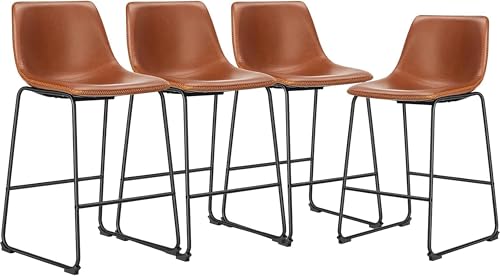
DUMOS Counter Height Bar Stools Set of 4, Faux Leather Metal Bar Chairs | Barstools with Back, Leg, Armless, Upholstered, Kitchen Island, Modern Design, 26 Inch, Brown
Check price on Amazon
VATROS 26" H Counter Height Bar Stools Set of 3, Modern Barrel Counter Stools with Backrest and Arms, Faux Leather Upholstered Accent Barstools for Kitchen Island,Support 450 LBS (Walnut Brown
Check price on Amazon
GrandNoor Brown Modern Bar Stools Set of 2, 24 Inch Faux Leather Counter Stools with Curved Backrest, Counter Height Bar Stool for Kitchen Island
Check price on Amazon
VATROS Counter Height Bar Stools Set of 3, FSC Certified Upholstered Faux Leather Barstools with Back, Metal Base, 27" Seat Height, Modern Upholstered Counter Stools for Kitchen Island,(Walnut Brown
Check price on Amazon
GrandNoor Brown Modern Bar Stools Set of 3, 24 Inch Faux Leather Counter Stools with Curved Backrest, Counter Height Bar Stool for Kitchen Island
Check price on Amazon
Nalupatio Modern Bar Stools Set of 2, Adjustable Faux Leather Upholstered Swivel Bar Stools, Counter Height Bar Chairs with Back for Kitchen Island, Black
Check price on Amazon
Arvasslia Swivel Bar Stools Set of 3, 26" Counter Height, Beige Grey | Walnut Wood Legs, Upholstered Seat, Supportive Backrest, Easy-Clean Faux Leather, Mid-Century Modern, 4-Inch Cushion
Check price on Amazon